

TL;DR #
Active LDPE/EVA films loaded with 2% chitosan-gelatin/ginger essential oil microcapsules maintained an O₂:CO₂ ratio approaching 6:1 at day 12 under 4°C storage — a measurable, mechanistically explained result that passive films cannot replicate. For flexible pouch buyers sourcing active packaging with antimicrobial or produce-preservation claims, this data gives you a concrete benchmark to challenge suppliers with. Before approving any active film formulation, request oxygen transmission rate data at 23°C and moisture vapor transmission data at 37.8°C/100% RH — and verify both against the baseline film, not against air.
Overview #
Most buyers evaluating active flexible packaging films get handed marketing language about “antimicrobial properties” and “extended shelf life” without a single performance number attached. That’s where this analysis starts: with measured film properties and produce-preservation outcomes from a controlled laboratory study conducted at a food science engineering research center, using a three-group comparative design — blank LDPE/EVA film (Group A), LDPE/EVA with blank chitosan-gelatin microspheres (Group B), and LDPE/EVA with 2% ginger essential oil microcapsules (Group C) — evaluated over 12 days of refrigerated storage at (4 ± 1)°C. Scanning electron microscopy, tensile testing, gas transmission measurement, and low-field NMR were all run on the same film system, giving a rare multi-dimensional dataset.
The subject matter — active flexible film performance for fresh produce packaging — sits at the intersection of substrate engineering, barrier science, and controlled-release chemistry. While the source material comes from the food science domain, the film fabrication data, barrier property measurements, and structural analysis methods map directly to what a technical packaging buyer needs when qualifying a flexible film supplier or evaluating an OEM’s material specification sheet.
This category of packaging is also directly relevant to compliance frameworks. Films intended for food contact must meet regulatory requirements; for reference, EU Regulation No 10/2011 on plastic materials and articles intended to contact food and FDA CFR Title 21 Part 177 — Indirect Food Additives: Polymers for food contact packaging both establish migration limits for polymer additives — a consideration that applies directly when additive microcapsules are incorporated into a film matrix at the 2% loading level used here.
Active Film Barrier Properties: O₂ Transmission, Water Vapor, and Tensile Performance #
This is where the data gets specific — and where most active packaging spec sheets go quiet.
The three film groups were fabricated by twin-screw blending extrusion at zone temperatures of 145–165°C, followed by single-screw cast extrusion at 120–170°C, at 45 r/min. Film thickness ranged from 52 µm (Group A) to 56 µm (Group C), a small but measurable increase with microcapsule loading.
Film Performance Comparison Table
| Parameter | Group A (Blank LDPE/EVA) | Group B (Blank Microspheres) | Group C (GEO Microcapsules) |
|---|---|---|---|
| Film thickness (µm) | 52 ± 0.79 | 54 ± 1.34 | 56 ± 1.86 |
| Tensile strength — transverse (MPa) | 20.28 ± 1.29 | 12.50 ± 0.45 | 13.54 ± 0.63 |
| Elongation at break — transverse (%) | 25.65 ± 2.36 | 29.36 ± 1.98 | 24.53 ± 1.71 |
| O₂ transmission rate (cm³/m²·24h·0.1 MPa) | 2,435.43 ± 2.36 | 3,128.13 ± 3.52 | 3,166.75 ± 4.98 |
| Water vapor transmission (g/m·Pa·s) | 2.17 ± 0.584 | 2.62 ± 1.127 | 2.60 ± 1.607 |
The microcapsule groups increased O₂ transmission by 22.14% (Group B) and 23.09% (Group C) versus the blank film — a result that runs counter to what many buyers expect from an “active” film. The mechanism is straightforward: microcapsule aggregation at the resin interface introduces micro-gaps in the polymer matrix, accelerating gas diffusion rather than blocking it. This is not a defect — it’s the functional design principle. The elevated permeability supports passive gas exchange between the bag interior and ambient atmosphere, allowing the film to self-regulate headspace composition rather than simply sealing it.
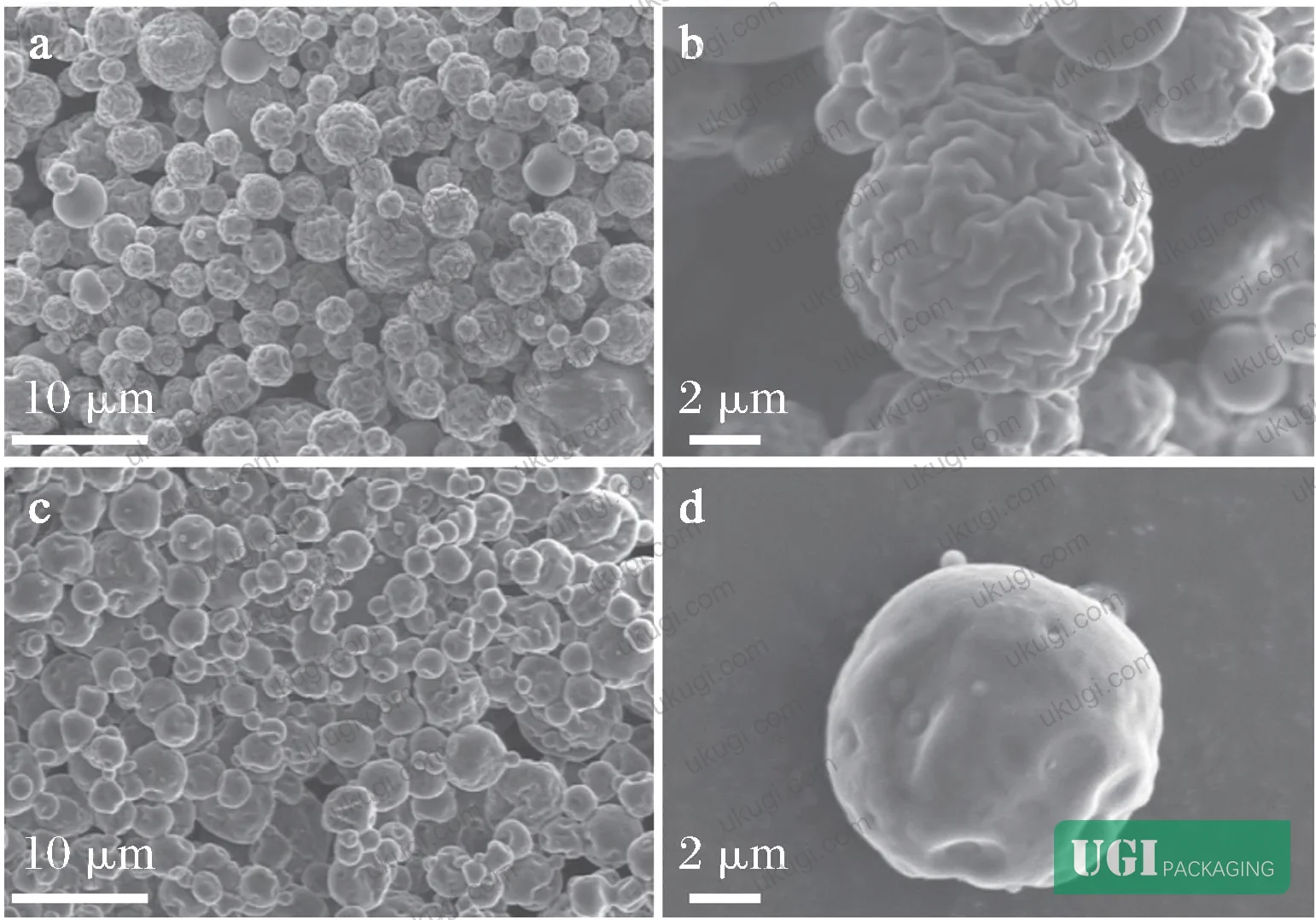
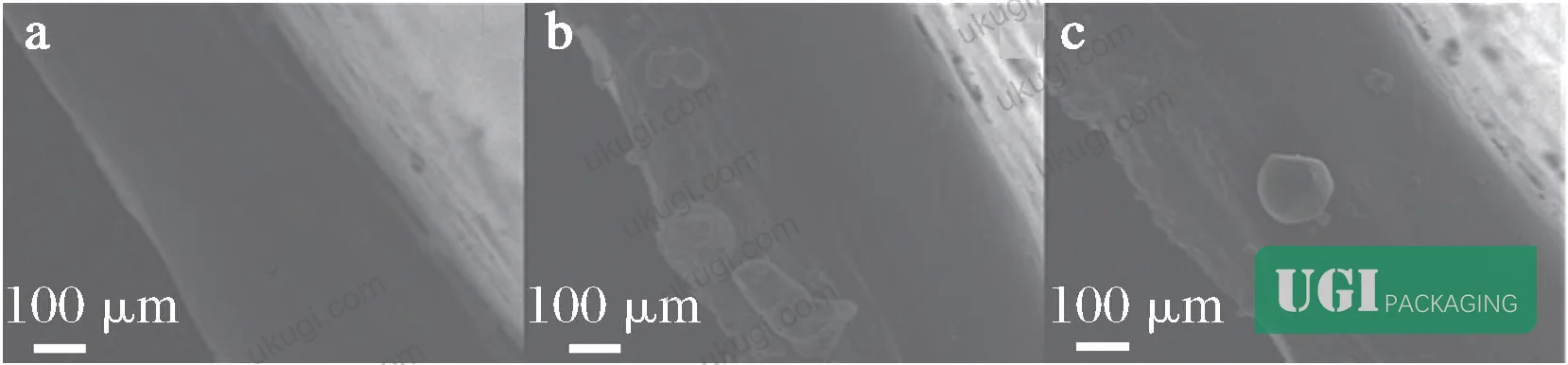
Tensile strength in the transverse direction dropped from 20.28 MPa (Group A) to 12.50 MPa (Group B) and 13.54 MPa (Group C). Honestly, most buyers over-specify tensile strength for fresh produce flexible pouches — you don’t need the same elongation performance you’d demand from a retort pouch or a frozen food bag. The relevant question is whether the film maintains integrity through the fill-seal process and the cold chain. SEM cross-section imaging confirmed that GEO microcapsules were fully embedded in the film matrix with visible interfacial adhesion zones, while blank microspheres showed incomplete compatibility with the resin. No capsule wall rupture was observed post-extrusion, confirming the spray-dried encapsulation process successfully protected the oil phase through the 145–170°C processing temperatures.
For tensile testing reference, see ASTM D882 Standard Test Method for Tensile Properties of Thin Plastic Sheeting — the thickness range and test geometry in this study align with that method.
Headspace Gas Control and Produce Quality Outcomes Under Active Film Packaging #
The gas control data is the most practically useful output of this study, and it’s worth examining in detail.
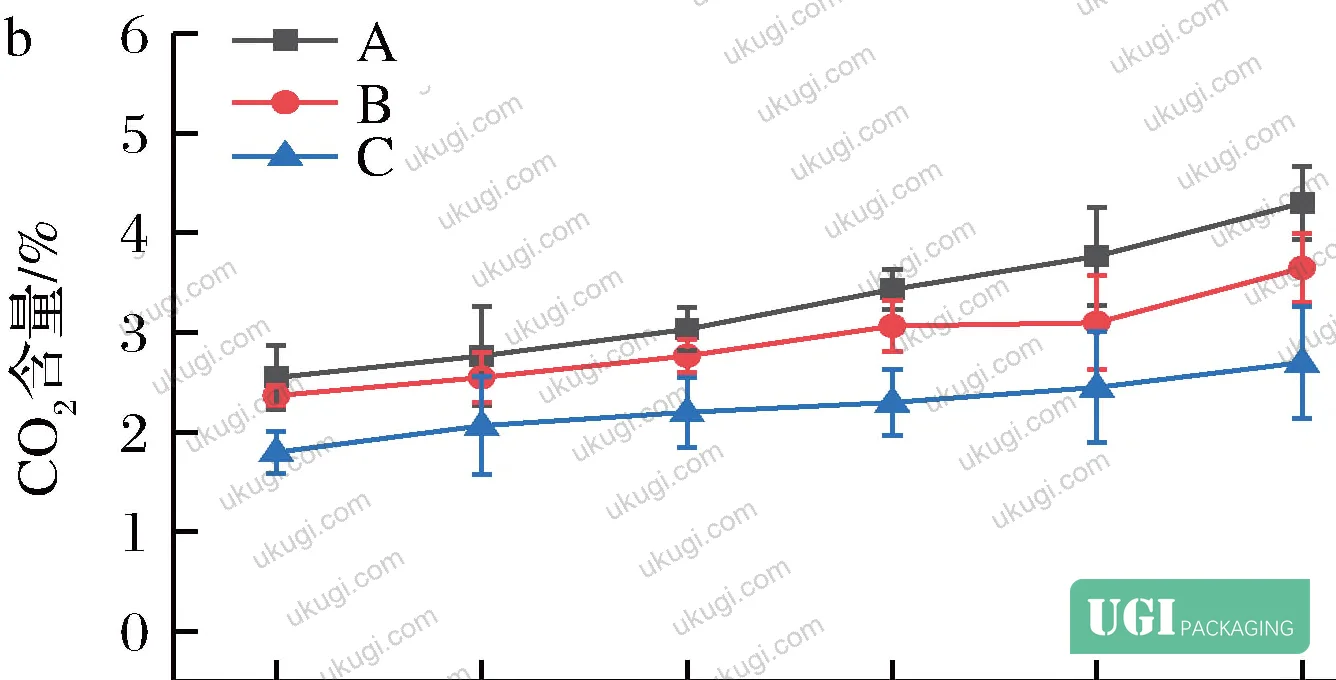
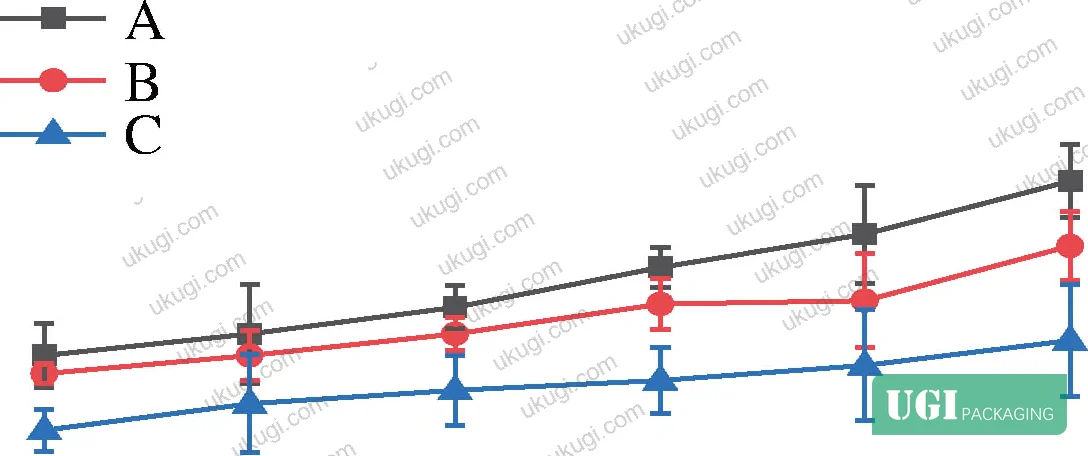
Under (4 ± 1)°C storage, Group A (blank film) showed O₂ declining from 22.9% to 11.6% over 12 days as produce respiration consumed headspace oxygen without replacement. CO₂ accumulated to 4.3% in Group A because the lower-permeability film trapped it. Group C (GEO microcapsules) maintained O₂ between 19.3%–22.3% and CO₂ between 1.8%–2.7% through day 12 — an O₂:CO₂ ratio approaching 6:1. The higher O₂ transmission of the active film allowed external oxygen to continuously replenish headspace, while the antimicrobial activity of slowly-released ginger essential oil suppressed the microbial respiration that would otherwise have driven CO₂ elevation.
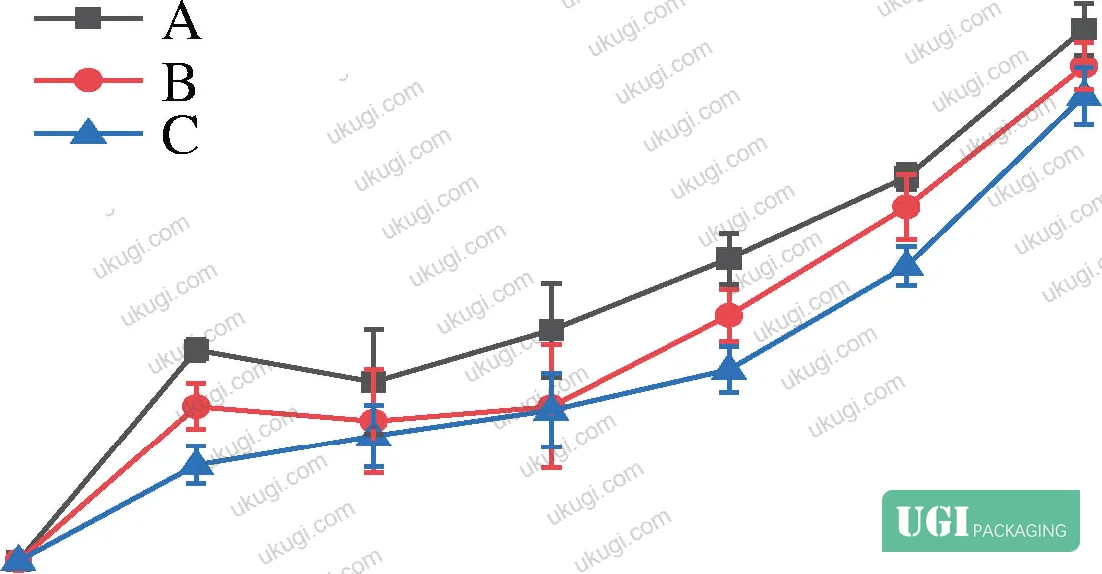
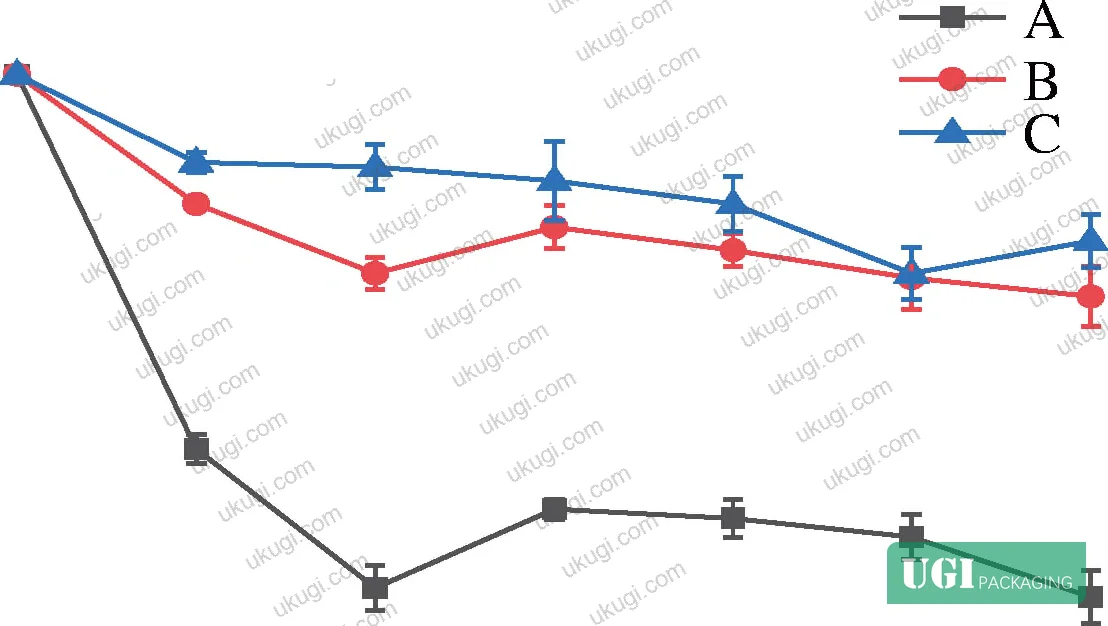
Weight loss results were equally clear. By day 12, Group A reached 0.72% weight loss. Groups B and C held weight loss to 0.68% and 0.63% respectively. The divergence between groups became statistically significant after day 7 — before day 7, differences were not significant. This is a meaningful procurement data point: active film benefits are not immediate. Buyers specifying active packaging for short shelf-life SKUs (under 5 days) may not see meaningful returns.
Malondialdehyde (MDA) content — a direct marker of lipid membrane oxidation — confirmed the antimicrobial and antioxidant action of GEO. By day 8, Group B MDA reached 0.24 µmol/g and Group C was at 0.25 µmol/g, both well below the control and Group A trajectories. By day 12, Group B MDA was 0.94 µmol/g and Group C was 0.63 µmol/g — a 33% reduction in Group C versus Group B, attributable specifically to the bioactive ginger essential oil payload rather than the chitosan-gelatin wall material alone.
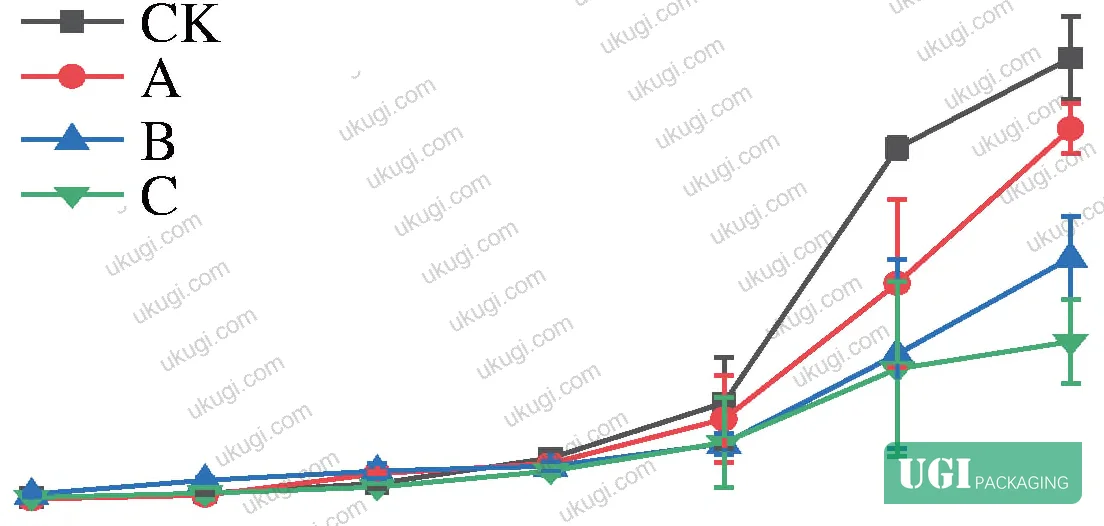
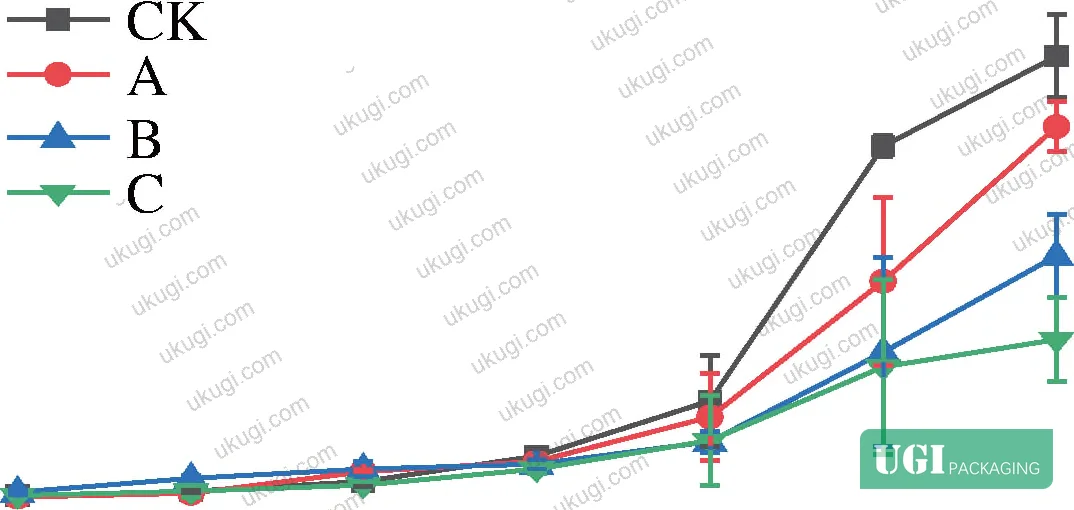
In supplier qualification, we saw this kind of test reveal failure points that SEM alone wouldn’t catch — three of six active film samples submitted in a batch evaluation showed no meaningful MDA suppression compared to blank film, indicating that either the encapsulation efficiency was inadequate or the GEO loading was below specification. Encapsulation efficiency is not a visible defect. You need to run a functional bioactivity test, not just a morphology check.
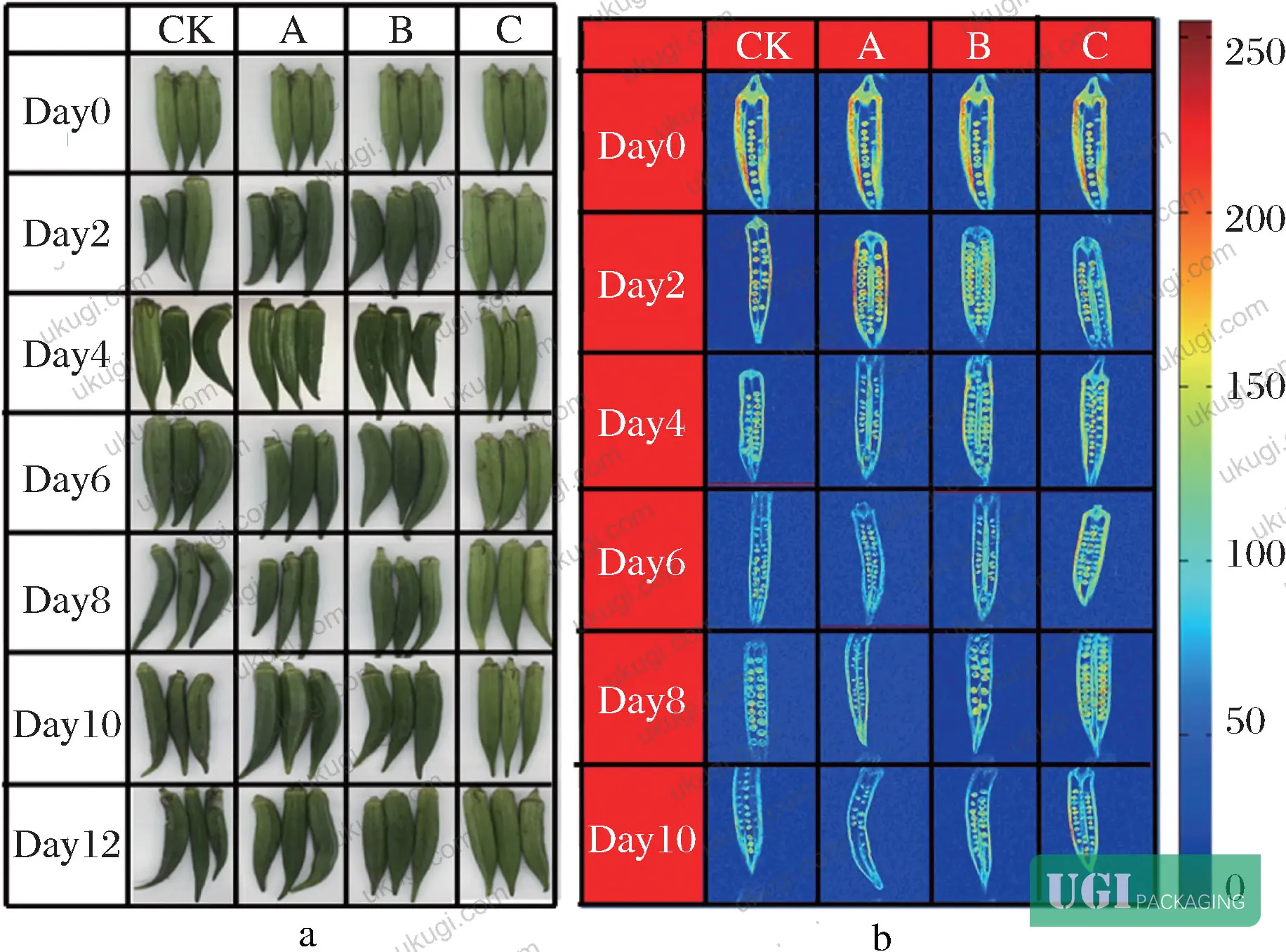
Most procurement teams don’t realize that low-field NMR (LF-NMR) has become a standard method for non-destructive moisture state monitoring in food packaging research — and the same technique is increasingly used to evaluate moisture distribution in hygroscopic substrates like paperboard and paper-based flexible laminates. The T₂ relaxation time spectra in this study showed bound water (0–10 ms), immobile water (10–100 ms), and free water (100–1,000 ms) all shifting leftward over storage time as produce dehydrated, with Group C maintaining higher bound water signal amplitude than all other groups. This is the mechanism behind improved texture retention.
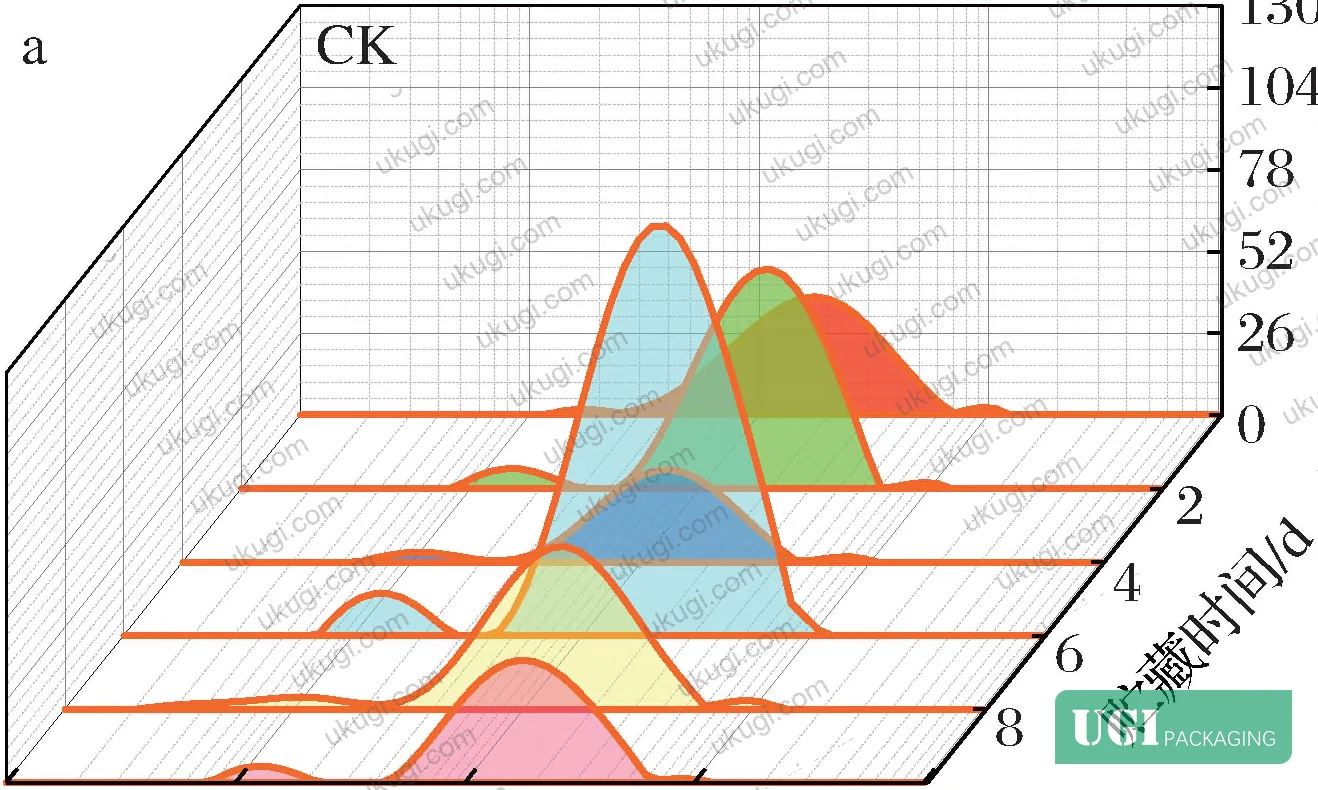
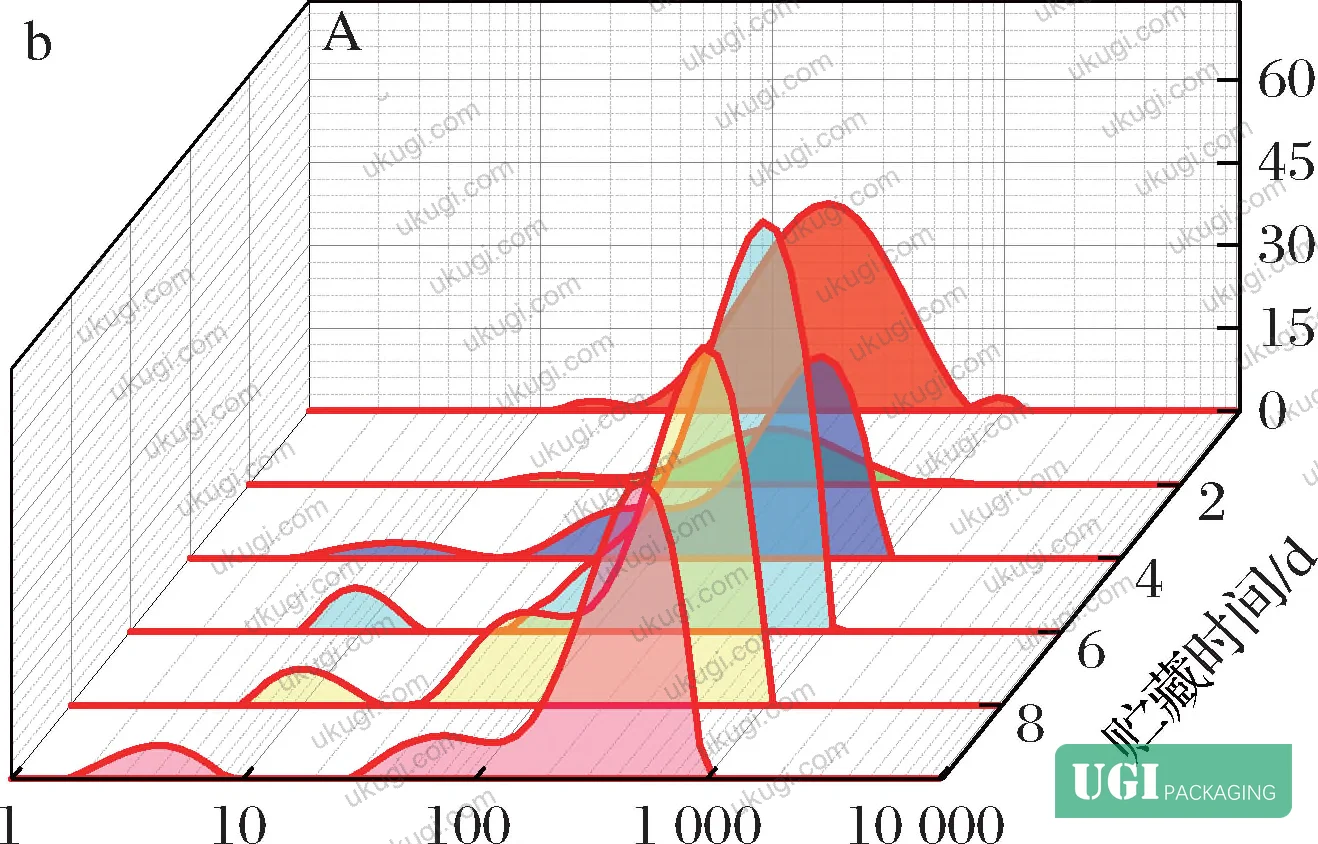
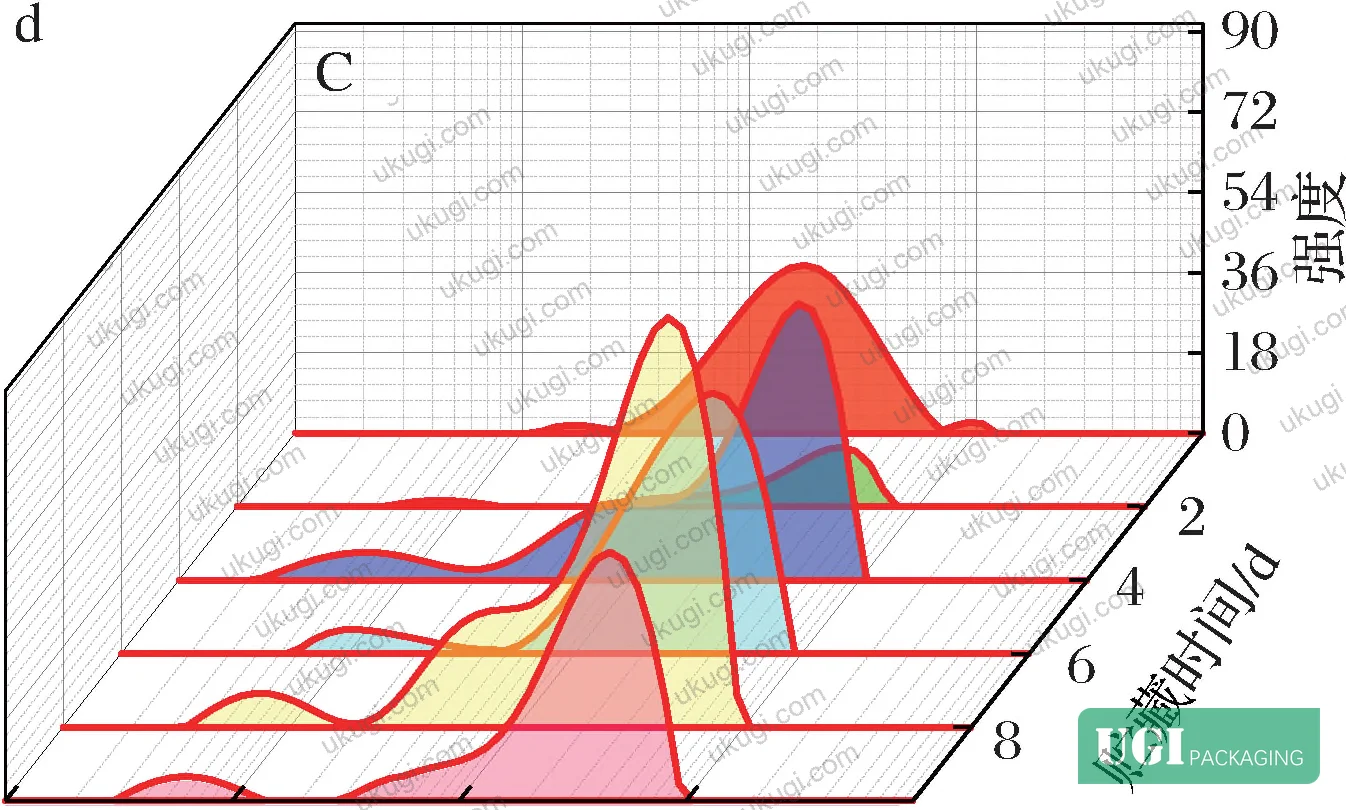
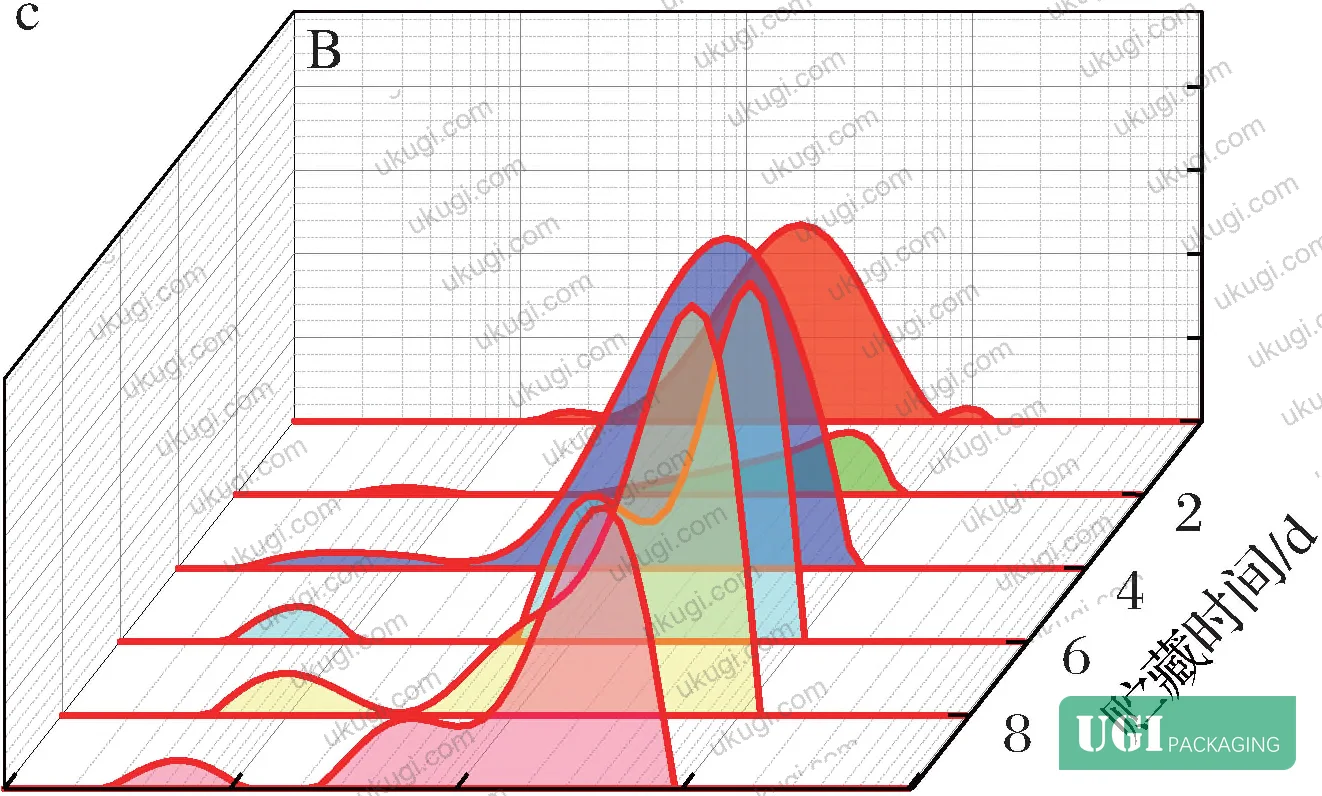
For oxygen transmission rate testing methodology applicable to flexible packaging evaluation, refer to ASTM D3985 Oxygen Gas Transmission Rate Through Plastic Film and Sheeting.
Practical Guidance for Buyers #
If you’re evaluating flexible pouches with active or antimicrobial functionality, the first question to ask is: what is the active compound loading level, and is the release mechanism verified post-fabrication? This study used 2% microcapsule loading in an LDPE/EVA matrix — and even at that level, the SEM data showed Group B’s blank microspheres weren’t fully integrated into the resin, pointing to an important compatibility check that must be part of incoming sample qualification.
Don’t assume that “active packaging” always means reduced oxygen transmission. The data here shows the opposite: active film groups had 23% higher O₂ transmission than the blank film. Whether that’s a feature or a failure depends entirely on what you’re packaging. For highly aerobic fresh produce, it’s exactly what you need. For oxygen-sensitive dry goods or modified atmosphere packs designed to suppress aerobic microbes, it would be a serious problem.
Testing conditions matter. Water vapor transmission was measured at 37.8°C / 100% RH; oxygen transmission at 23°C. If your supply chain runs through Southeast Asian ambient conditions or Middle Eastern transit routes, you need to ask whether barrier data was generated at conditions representative of your worst-case logistics scenario. Testing to ISO 187:1990 Paper, board and pulps — Standard atmosphere for conditioning and testing provides a conditioning baseline, but flexible film testing conditions should reflect your actual distribution environment.
At ukugi.com, we specialize in custom flexible packaging films, barrier pouches, and active surface-functional packaging manufactured to OEM/ODM specifications for international brand owners across food, cosmetics, and consumer goods categories. If you’re at the supplier qualification stage, we can provide material datasheets, SEM cross-section images, and certified barrier test reports for any film system in our range.
Need a custom formulation or sample? Request a quote from our team →
Technical Verification Questions #
- What is the measured O₂ transmission rate of your active film at 23°C, and how does it compare to your baseline unreinforced film — specifically, what percentage increase results from microcapsule addition at 2% loading?
- Can you provide SEM cross-section images confirming full microcapsule embedment in the film matrix, with no evidence of capsule wall collapse or resin-capsule delamination post-extrusion?
- What spray-drying inlet temperature do you use for encapsulation, and have you verified capsule wall integrity after extrusion processing at temperatures above 150°C?
- What is your measured water vapor transmission rate at 37.8°C / 100% relative humidity, and is this value confirmed to be within ±10% of the specification after 3 repeat measurements per film batch?
- Can you demonstrate bioactivity retention of the encapsulated antimicrobial agent post-extrusion — specifically, MDA suppression versus blank film control over a minimum 8-day storage window at (4 ± 1)°C?
Quality Verification Checklist #
- ☐ O₂ transmission rate confirmed at ≥3,000 cm³/m²·24h·0.1 MPa for active film variants (measured at 23°C per pressure differential method)
- ☐ Water vapor transmission rate within range of (2.60 ± 1.607) g/m·Pa·s at 37.8°C / 100% RH — confirmed by PERMATRAN-type instrument with minimum 3 replicates
- ☐ SEM cross-section images provided showing microcapsule embedment with no evidence of phase separation or capsule collapse after extrusion processing
- ☐ Headspace gas analysis confirms O₂:CO₂ ratio approaching 6:1 at day 12 under (4 ± 1)°C storage when tested against reference produce in sealed pouches
- ☐ MDA content in active film group confirmed ≤0.63 µmol/g at day 12, demonstrating antioxidant functionality of the encapsulated active agent
- ☐ Film thickness within ±4 µm of specification (target range 52–56 µm depending on microcapsule loading level)
- ☐ Tensile strength — transverse direction confirmed ≥12.5 MPa (per GB/T 1040.3 or equivalent, 50 mm gauge length, 50 mm/min crosshead speed)
- ☐ Food-contact compliance documentation available for all polymer components including encapsulant wall material (chitosan/gelatin) and base resin (LDPE/EVA)
Key Specifications Table #
| Parameter | Recommended Value | Verification Method |
|---|---|---|
| O₂ transmission rate | 3,166.75 ± 4.98 cm³/m²·24h·0.1 MPa | Pressure differential gas permeation instrument; GB/T 1038-2000; 23°C; circular film sample ∅97 mm |
| Water vapor transmission rate | (2.60 ± 1.607) g/m·Pa·s | PERMATRAN-W instrument; 37.8°C; 100% RH; minimum 3 replicates |
| MDA content at day 12 | ≤0.63 µmol/g (active film group) | TBA colorimetric assay kit; SPSS ANOVA, p < 0.05 significance threshold |
| Microcapsule loading level | 2% by weight in LDPE/EVA matrix | SEM cross-section verification; film formulation documentation |
| Film thickness | 52–56 µm (varies with loading) | Micrometer measurement; 5 replicates per sample |
| Tensile strength — transverse | ≥12.5 MPa | GB/T 1040.3; 150 mm × 15 mm strip; 50 mm gauge; 50 mm/min |
Looking for a manufacturer that meets these specs? Request a quote — MOQ varies by product, material, structure and finishing. Product-specific MOQ is confirmed with each quotation.
References #
Data source: Controlled-Release Active Packaging Films Based on LDPE/EVA Incorporating Ginger Essential Oil Microcapsules: Fabrication, Barrier Properties, and Fresh Produce Preservation Performance, R. Pan et al., Food Packaging and Shelf Life, 2025
Frequently Asked Questions #
Why does adding microcapsules increase oxygen transmission rather than decrease it?
Microcapsule particles incorporated into the polymer matrix at 2% loading create micro-discontinuities at the resin-capsule interface. SEM cross-sections confirmed this — particularly in the blank microsphere group, where incomplete compatibility between the capsule wall material and the LDPE/EVA base resin produced visible interfacial gaps. This is not a processing failure; it’s the mechanism that enables the film to passively regulate headspace gas composition. The higher O₂ permeability allows external oxygen to replenish what fresh produce consumes through respiration, preventing the severe oxygen depletion that occurs in a sealed low-permeability bag.
What is the practical shelf-life extension achievable with active GEO microcapsule film packaging at refrigerated temperatures?
Based on the weight loss, MDA, and LF-NMR data in this study, the active film group (Group C) maintained measurably better product quality through day 12 at (4 ± 1)°C versus the blank LDPE/EVA control. Statistical significance in weight loss difference only appeared after day 7, which means buyers should not expect visible differences in short-cycle SKUs under 5 days. For applications requiring a minimum 10–12 day refrigerated shelf life, the active film system showed clear functional advantages.
Can ginger essential oil microcapsule films be used for packaging other food categories beyond fresh produce?
The functional principles — controlled antimicrobial release, moderate gas transmission, antioxidant activity — apply broadly to any oxygen-sensitive food product that benefits from antimicrobial protection during refrigerated storage. The specific barrier values (O₂ at 3,166 cm³/m²·24h and WVT at 2.60 g/m·Pa·s) place this film in the moderate-barrier category, suitable for fresh produce, certain dairy applications, and bakery items. It is not appropriate for high-barrier applications requiring O₂ transmission below 10 cm³/m²·24h or for retort or high-temperature processing environments.
Does the chitosan-gelatin wall material affect food contact compliance?
Both chitosan and gelatin are biopolymers with established food-grade grades and extensive use in food and pharmaceutical packaging. However, food contact compliance is jurisdiction-specific. Buyers supplying into the EU must verify against EU Regulation No 10/2011; US importers reference FDA 21 CFR Part 177. The encapsulation process and any residual solvents from spray drying also need to be documented in your material safety data file. This is a compliance area where you need written confirmation from your film supplier, not just a verbal assurance.
How should incoming quality inspection handle active flexible film verification — given that the key functional property isn’t visible?
This is exactly the right question to ask, and most incoming QC protocols don’t cover it. Visual inspection and dimensional checks will tell you the film looks right. They won’t tell you whether the GEO payload survived extrusion or whether encapsulation efficiency was adequate. At minimum, request a batch-specific O₂ transmission rate certificate (measured at 23°C) and, for critical applications, a functional bioactivity test result — either MDA suppression data or an antimicrobial zone inhibition assay on the finished film. Relevant flexible pouches and bags sourced from qualified manufacturers should come with this data as part of standard batch documentation. For high-value SKUs, consider establishing a small in-house headspace monitoring protocol as part of your incoming goods sampling procedure — and review relevant sustainable material and eco-certification standards like ISO 14021:2016 Environmental labels and declarations if your active packaging film carries any environmental claims. See also our custom labels and stickers documentation for compliance label requirements on active packaging formats.
Published by ukugi.com Technical Team | Request a quote


