

TL;DR #
Water-based anti-mold varnish incorporating nano-TiO₂ additives achieved antibacterial rates of 91.84% against Staphylococcus aureus and 94.51% against E. coli in controlled coating trials — performance that satisfies white cardboard antibacterial acceptance criteria. For buyers sourcing paper-based packaging in humid climates or food-adjacent applications, the choice of varnish system directly determines shelf-life stability and mold-related returns. Specify water-based acrylic varnish with nano-composite antimicrobial loading ≥4.0% by weight and request batch-level antibacterial rate test data before approving a supplier.
Overview #
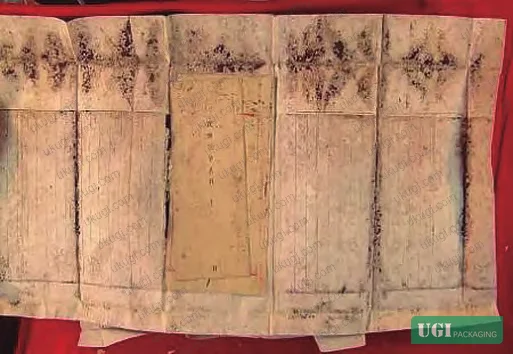
Most procurement teams treat varnish as a finishing afterthought — gloss level, scratch resistance, maybe food-contact compliance. That framing is expensive when the packaging ends up in Southeast Asian warehouses or anywhere with sustained humidity above 70% RH, because the structural failure mode isn’t mechanical. It’s biological. Mold colonization of paper fiber is irreversible, and by the time it’s visible on a finished carton or folding box, the batch is a write-off.
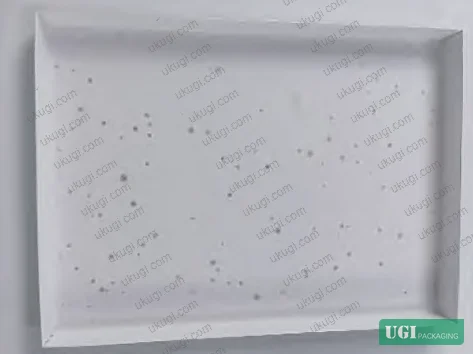
This analysis draws on a systematic evaluation conducted by a team spanning a major Chinese spirits manufacturer and a specialist packaging science faculty — a combination that gives the findings unusual practical weight. The research reviewed both laboratory formulation data and real-world application trials across chemical, bio-based, and nano-technology anti-mold varnish systems applied to paper substrates. It is not an academic survey disconnected from production realities. The test conditions were drawn from actual coating line parameters, and the failure modes documented reflect what happens on commercial runs, not bench experiments alone.
The core finding is that water-based anti-mold varnish has crossed a performance threshold where it can replace solvent-based systems for most paper packaging applications — but only when the formulation includes correctly loaded antimicrobial agents. Underdosed or poorly stabilized formulations fail in the field under humidity fluctuation, which is precisely the condition most relevant to international shipping and tropical distribution.
For reference, packaging conditioning and testing should be conducted under standardized atmospheric conditions per ISO 187:1990 Paper, board and pulps — Standard atmosphere for conditioning and testing, particularly when evaluating humidity-sensitive coating systems.
Anti-Mold Varnish Systems for Paper Packaging: Classification and Mechanism #
Understanding which varnish system you’re specifying matters more than most buyers realize. There are three primary categories defined by carrier type, and three by the nature of the antimicrobial agent — and the wrong combination for your substrate or distribution environment will underperform regardless of headline specification values.
By carrier type:
- Oil-based anti-mold varnish: declining in use due to VOC emission standards and regulatory pressure. Expect continued market contraction.
- Water-based anti-mold varnish: composed of water-soluble resin, functional additives, and antimicrobial agents. Fast drying, high transparency, stable, compatible with most commercial coating equipment. The dominant direction for new formulation development.
- UV anti-mold varnish: UV-LED cured systems with rapid cure cycles and low-temperature processing capability. Critical caveat — UV coatings are unsuitable for high-porosity papers because the low-molecular-weight components in UV formulations penetrate paper fiber, causing color deepening and bleed-through. Currently best suited to aluminum-metallized printing stock.
By antimicrobial agent type:
- Chemical anti-mold varnish: uses organic biocides including phenolics, esters, amides, benzothiazoles, isothiazolinones, and quaternary ammonium compounds (QACs). Mechanism: the active compounds bind to anionic sites and thiol groups on fungal cell surfaces, disrupting membrane integrity and protein synthesis.
- Bio-based anti-mold varnish: derived from natural materials — plant essential oils, nanocellulose. Environmentally favorable but currently limited by stability problems and inadequate controlled-release performance. The sustained-release profiles in current bio-based systems are inconsistent across humidity cycles.
- Nano-technology anti-mold varnish: uses nanomaterials (nano-ZnO, nano-TiO₂, nano-silver, nanocellulose particles) with high surface-area-to-volume ratios. Mechanism: positively charged nanoparticles are electrostatically attracted to negatively charged fungal cell walls under Coulomb forces. On contact, nanoparticles inhibit peptidoglycan synthesis, causing cell wall rupture and bacterial inactivation.
| Varnish Type | Key Advantage | Primary Limitation | Best Substrate Match |
|---|---|---|---|
| Water-based (acrylic) | Low VOC, equipment-compatible, fast dry | Lower gloss than UV; humidity-sensitive viscosity | Uncoated and coated paper, folding carton |
| UV-cured | Rapid cure, high gloss, low temperature | Penetration risk on porous substrates | Metallized/aluminum-laminated board |
| Oil-based | Established supply chain | High VOC, regulatory pressure, environmental cost | Legacy applications; declining |
| Chemical biocide | Reliable, well-characterized mechanism | Leaching risk under high humidity/aging | General paper packaging |
| Nano-composite | High antibacterial efficacy (91–99%+) | Higher formulation cost; particle dispersion control needed | Premium and food-adjacent packaging |
| Bio-based (plant oil/cellulose) | Renewable, non-toxic | Stability and controlled-release limitations | Specialty/sustainable packaging |
Anti-Mold Varnish Performance Data: What the Test Results Actually Show #
This is where the procurement decision gets concrete. Let’s go through the test data systematically.
Nano-TiO₂ in water-based topcoat: When nano-TiO₂ antibacterial agent was compounded into a water-based overprint varnish and applied to white cardboard, the resulting coating achieved an antibacterial rate of 91.84% against Staphylococcus aureus and 94.51% against E. coli. These values satisfy the acceptance threshold for white cardboard antibacterial requirements as defined in the referenced evaluation criteria.
ZnO vs. TiO₂ nano-composites: Comparative testing of ZnO-containing versus TiO₂-containing nanocomposite coatings showed that ZnO formulations consistently produced higher protective effect than equivalent TiO₂ loading. Critically, increasing nanoparticle weight ratio in both cases correlated directly with improved protection — there is no plateau effect identified at the tested concentration range, which has implications for formulation optimization.
Nano-silver microcapsule system: A system using glucose-modified nano-silver solution as the antimicrobial core material, encapsulated in melamine-formaldehyde resin, was incorporated into water-based acrylic at 4.0% loading. The encapsulation approach was specifically designed to address the leaching problem that affects unencapsulated antimicrobials. Coating antibacterial performance was rated as excellent in the evaluation.
Polyurethane-silver composite coating: Aqueous polyurethane-silver antimicrobial coating prepared via ultrasonic dispersion showed an E. coli reduction of 99.99% and a Staphylococcus aureus reduction of 87.5% in antibacterial testing. This is the highest bacterial reduction figure in the dataset and is notable because the polyurethane matrix also provides adhesion and mechanical integrity benefits.
Aloe-emodin microcapsule (bio-based): Using aloe-emodin as the bio-based core material in a microcapsule system added to water-based coating, the resulting film achieved 68.1% antibacterial rate against E. coli and 60.7% against Staphylococcus aureus. These figures are meaningfully lower than the nano-composite systems — which is honest data that bio-based proponents need to acknowledge. The performance gap between bio-based and nano-composite approaches at current formulation maturity is significant.
QAC-functionalized acrylic coating: Hydroxyl groups were used to promote binding of quaternary ammonium compound (QAC) antimicrobial agents to the acrylic coating matrix. XPS analysis confirmed that increasing -NR4⁺ concentration enhanced antibacterial performance. Both WUV-L and WUV-C inhibitory performance improved with QAC loading — an important finding because it demonstrates a pathway to reduce the leaching problem that limits unbound antimicrobial systems.
Accelerated weathering durability: Coatings containing TTIP/TEOS nanocomposite particles in water-based acrylic varnish maintained good mechanical performance and anti-mold effectiveness after exposure to accelerated weathering at multiple time intervals. This is the durability test data that should be mandatory in supplier qualification — steady-state antibacterial rate at production is not the same as in-service performance after thermal cycling and humidity variation.
Honestly, most buyers over-specify gloss level and under-specify antibacterial stability over aging. A coating that performs at 94% antibacterial rate fresh from the line and drops to 40% after 30 days in a humid warehouse has failed its core function. The aging data is what separates field-worthy formulations from lab showpieces.
For tensile and barrier property verification of the substrate receiving the coating, ASTM D882 Standard Test Method for Tensile Properties of Thin Plastic Sheeting provides the baseline mechanical characterization framework applicable to coated paper and flexible substrates.
When evaluating any coating for food-adjacent paper packaging, compliance with EU Regulation No 10/2011 on plastic materials and articles intended to contact food should be confirmed for any polymer-based varnish components in direct or indirect food contact configurations.
Practical Guidance for Buyers #
If your packaging ships to regions with mean relative humidity above 60% — Southeast Asia, coastal Middle East, southern China distribution — anti-mold varnish specification is not optional. It’s risk management.
Start with substrate compatibility. UV varnish is not appropriate for uncoated or high-porosity paper; specify water-based acrylic systems for folding cartons, paper bags, and kraft-based packaging. For premium coated board with metallic lamination, UV systems give better gloss performance but require confirmation that the substrate is low-porosity.
For custom paper boxes or cosmetics packaging solutions where both aesthetics and shelf-life stability are critical, nano-composite water-based varnish with verified antibacterial rate data is the appropriate specification tier. Request test results showing antibacterial rate ≥90% against both S. aureus and E. coli, with a secondary data point showing performance after accelerated aging — not just fresh-coat values.
Bio-based systems are worth watching, but the current performance gap versus nano-composite formulations (60–68% vs. 91–99% antibacterial rate) means they are not yet a like-for-like substitute for high-humidity applications. Specify them where regulatory or sustainability certification requirements mandate natural-origin materials, not as a default performance upgrade.
At ukugi.com, we produce paper-based packaging — folding cartons, rigid boxes, paper bags, and gift packaging — with full surface finishing capability including anti-mold varnish application. If you’re evaluating varnish options for a specific substrate or distribution environment, our technical team can advise on coating selection and provide samples with test documentation.
Need a custom formulation or sample? Request a quote from our team →
Technical Verification Questions #
- What is the measured antibacterial rate (%) of your water-based anti-mold varnish against both Staphylococcus aureus and E. coli, and at what antimicrobial agent loading (% by weight) is this rate achieved?
- Can you provide accelerated weathering test data showing antibacterial performance retention after aging — not only fresh-coat values — and what time intervals and conditions were used in that testing?
- For nano-composite varnish systems: what is the nanoparticle type (ZnO, TiO₂, nano-silver) and weight ratio used, and do you have comparative data showing how protection level changes with particle loading?
- How is antimicrobial agent leaching under high humidity (>70% RH) managed in your formulation — is the agent encapsulated (e.g., melamine-formaldehyde microcapsule at 4.0% loading), chemically bonded (e.g., QAC via hydroxyl linkage confirmed by XPS), or free-dispersed?
- For UV anti-mold varnish: what is the substrate porosity threshold above which you do not recommend UV application, and what test method do you use to qualify substrate suitability before coating?
Quality Verification Checklist #
- ☐ Antibacterial rate against S. aureus confirmed ≥90% by standardized plate-count method (nano-TiO₂ benchmark: 91.84%)
- ☐ Antibacterial rate against E. coli confirmed ≥90% (nano-TiO₂ benchmark: 94.51%; polyurethane-silver benchmark: 99.99%)
- ☐ Anti-mold performance retention confirmed after accelerated weathering test — result must show “good mechanical performance and anti-mold effectiveness” at multiple exposure intervals
- ☐ UV varnish application verified only on low-porosity or aluminum-metallized substrates — not on uncoated or high-porosity paper
- ☐ For encapsulated antimicrobial systems: microcapsule loading confirmed at ≥4.0% in water-based acrylic matrix
- ☐ For QAC-based systems: XPS data confirming -NR4⁺ surface concentration and antimicrobial bonding to coating matrix (not free-dispersed)
- ☐ Bio-based formulations (aloe-emodin, plant oil, nanocellulose): antibacterial rate documented; if below 75%, application scope limited to low-humidity distribution environments
- ☐ Food-adjacent applications: varnish components verified against applicable food contact material regulations (EU No 10/2011 or equivalent)
Key Specifications Table #
| Parameter | Recommended Value | Verification Method |
|---|---|---|
| Antibacterial rate vs. S. aureus (nano-TiO₂ system) | ≥91.84% | Standard antibacterial plate-count test per coating trial protocol |
| Antibacterial rate vs. E. coli (nano-TiO₂ system) | ≥94.51% | Standard antibacterial plate-count test per coating trial protocol |
| Antimicrobial microcapsule loading in water-based acrylic | ≥4.0% by weight | Formulation documentation + coating weight verification |
| Nano-silver polyurethane: E. coli reduction | ≥99.99% | Antibacterial reduction test (ultrasonic-dispersed aqueous PU-silver system) |
| Nano-silver polyurethane: S. aureus reduction | ≥87.5% | Antibacterial reduction test |
| Bio-based (aloe-emodin microcapsule): E. coli rate | 68.1% (reference floor) | Antibacterial coating film test — document actual vs. this benchmark |
| Weathering durability | Mechanical performance and anti-mold effectiveness maintained after multi-interval accelerated weathering | Accelerated weathering test per TTIP/TEOS nanocomposite evaluation protocol |
| Substrate compatibility for UV varnish | Low-porosity or metallized paper only | Porosity test pre-qualification; visual bleed-through evaluation |
Looking for a manufacturer that meets these specs? Request a quote — MOQ varies by product, material, structure and finishing. Product-specific MOQ is confirmed with each quotation.
References #
Data source: Advances in Anti-Mold Varnish Technology for Paper-Based Packaging: Mechanisms, Formulations, and Environmental Prospects, T. Yang et al., Progress in Organic Coatings, 2025
Frequently Asked Questions #
What is the practical difference between water-based and UV anti-mold varnish for paper packaging?
Water-based systems are suitable for the full range of paper substrates — including uncoated and high-porosity papers — and dry rapidly with good transparency and equipment compatibility. UV varnish offers higher gloss and faster cure cycles but cannot be used on porous papers because low-molecular-weight UV components penetrate the fiber, causing color shift and bleed-through. UV anti-mold varnish is currently best matched to aluminum-metallized or dense coated board.
Why do bio-based anti-mold varnishes underperform nano-composite systems in high-humidity environments?
The core issue is stability and controlled release. Natural antimicrobial components — plant essential oils, nanocellulose-derived agents — tend to degrade or lose activity when exposed to humidity cycling, which is exactly the condition during shipping and storage. Current bio-based formulations achieve 60–68% antibacterial rate in test conditions, compared to 91–99% for nano-composite systems. The performance gap is not trivial for buyers specifying packaging destined for tropical markets.
What causes antimicrobial leaching from varnish coatings, and how is it prevented?
Free-dispersed antimicrobial agents in water-based varnish are vulnerable to leaching when the coating is exposed to high humidity or elevated temperature, because the aqueous swelling of the film creates pathways for small molecules to migrate out. Two engineering solutions address this: microencapsulation (e.g., melamine-formaldehyde resin shell around nano-silver core at 4.0% loading) which delays release, and covalent bonding (e.g., QAC agents linked to acrylic matrix via hydroxyl groups, confirmed by XPS analysis) which prevents migration entirely.
Is anti-mold varnish necessary for packaging used in dry climates?
In low-humidity environments, mold risk is substantially reduced, and the performance premium of nano-composite anti-mold varnish may not be cost-justified. Standard water-based topcoat provides adequate protection for packaging distributed in temperate or arid regions. The specification becomes critical when distribution chains pass through high-humidity consolidation hubs or end markets — which is true for most Asia-Pacific and Middle East distribution routes regardless of the final destination climate.
Can anti-mold varnish be applied to hologram security stickers or foil-laminated label stock?
Yes, with caveats. Foil and metallized substrates are among the most compatible surfaces for UV anti-mold varnish, because the low porosity eliminates the bleed-through risk. For water-based anti-mold varnish on metallized or sticker labels stock, adhesion testing is required — the interaction between the varnish film and the metallized layer or release liner chemistry can affect coating integrity. Confirm adhesion via cross-cut test before approving production runs.
Published by ukugi.com Technical Team | Request a quote


