

TL;DR #
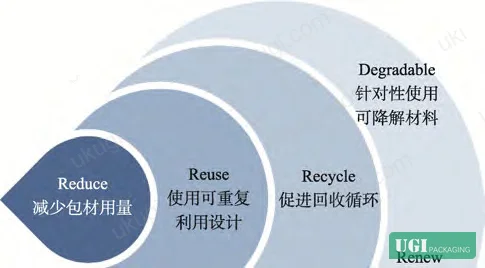
The 4R1D framework (Reduce, Reuse, Recycle, Renew, Degradable) provides a structured approach to packaging recyclability, with Chinese dairy producers achieving 80%+ adoption of recycling and post-consumer recycled content in 2024, compared to 50%+ baseline in prior years. For procurement teams, this means supplier qualification now requires verifiable recycling design certifications and PCR content thresholds rather than generic sustainability claims. Prioritize suppliers demonstrating GRPG “easy-to-recycle, easy-to-regenerate” certification for single-material formats and quantifiable aluminum foil elimination in composite cartons.
Overview #
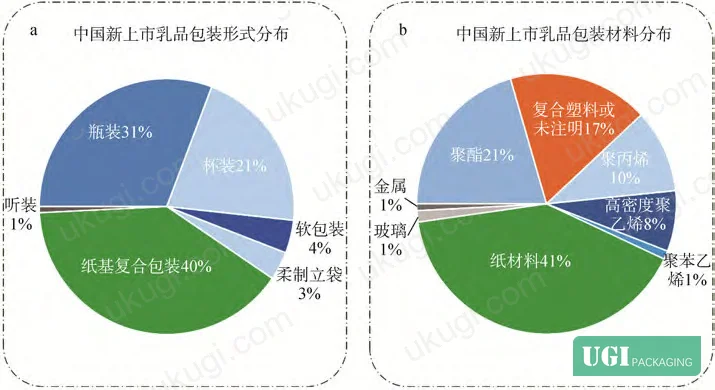
Most buyers approach packaging recyclability as a compliance checkbox rather than a material engineering decision—and that’s where procurement failures begin. Recent industrial research from a major dairy conglomerate analyzed 4,931 new product launches across five years, revealing that 57% of dairy packaging relies on plastic materials, with composite paper cartons accounting for 41% and containing 20-25% embedded plastic layers. The study systematically evaluated how circular economy principles translate into actionable design changes across bottled, cupped, bagged, and carton formats, tracking carbon footprint reductions ranging from 16g to 44.6% per unit through structural modifications. Testing covered material substitution in aseptic cartons, label elimination trials, and post-consumer recycled content integration in shrink films—real-world conditions where theoretical recyclability meets production line constraints and consumer acceptance thresholds.
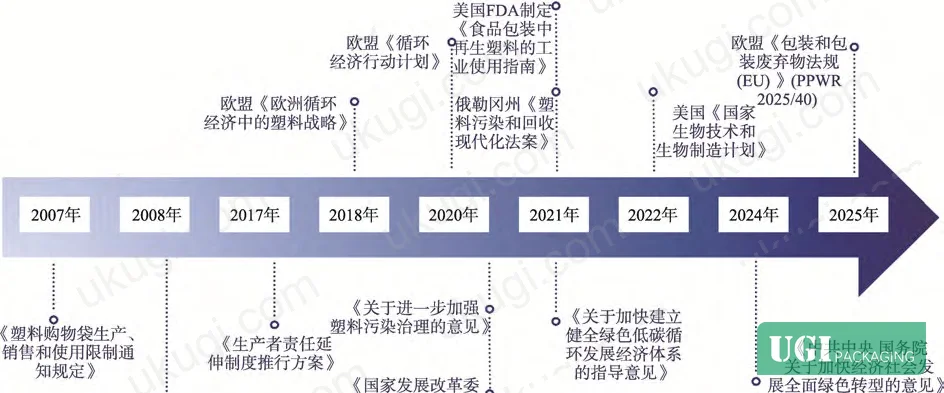
The fundamental issue isn’t whether packaging can be recycled—it’s whether the design allows economic recovery at municipal sorting facilities and whether reprocessed material maintains food-grade quality standards. China’s Extended Producer Responsibility framework, formalized in 2017 and expanded sector-by-sector through 2020, shifts this burden to brand owners and converters. Unlike voluntary initiatives common in North America, Chinese EPR mandates carry enforcement mechanisms: beverage carton producers must demonstrate recovery infrastructure participation and report annual tonnage data. This regulatory architecture explains why custom paper boxes and paper bags now default to mono-material construction rather than laminated composites.
Material Substitution Strategies in Composite Carton Design #
Aluminum foil elimination represents the highest-impact structural change in aseptic packaging. Traditional composite cartons comprise 75% paperboard, 20-21% polyethylene, and 5% aluminum foil. The aluminum layer provides oxygen and light barrier protection for extended shelf life products, but its production requires 15,000 kWh per tonne—four times the energy demand of LDPE film extrusion. Field trials with aluminum-free cartons in ultra-high temperature (UHT) milk applications demonstrated 30.81% carbon footprint reduction per unit, verified through lifecycle assessment conforming to ISO 14040:2006 and ISO 14044:2006.
The technical challenge lies in maintaining 12-month shelf life without metal barrier layers. Suppliers achieve this through high-barrier metallocene polyethylene (mPE) films combined with optimized paperboard basis weight distribution. Incoming samples must demonstrate oxygen transmission rate (OTR) below 0.5 cm³/m²·day·atm at 23°C and 0% RH, measured per ASTM D3985. Water vapor transmission rate (WVTR) specification requires values under 2.0 g/m²·day at 38°C and 90% RH per ASTM F1249. Procurement teams often over-specify barrier requirements for products with inherent acidity or reduced water activity—shelf life modeling can identify where standard PE grades suffice without metallization.
Aluminum removal also simplifies end-of-life processing. Standard hydropulping separates paperboard from plastic-aluminum composite sleeves, requiring secondary mechanical or pyrolysis treatment to recover aluminum. Aluminum-free formats reduce processing to single-stage fiber recovery, improving economics for recyclers operating at <500 tonne/month throughput. Chinese dairy producers eliminated 2,847 tonnes of aluminum foil across production lines in 2023 through format conversion—a reduction that directly translates to avoided bauxite mining and alumina refining impacts.
Single-Material Plastic Formats and Recycling Infrastructure Compatibility #
Label-free bottle designs address a persistent contamination source in PET recycling streams. Shrink sleeves using PETG or PVC create density separation problems during float-sink sorting, with contamination rates reaching 3-8% in municipal recovery facilities lacking optical sorters. A 100mL probiotic drink bottle redesign eliminated the PETG label and converted bottle resin from polystyrene (PS) to polypropylene (PP), achieving 44.6% packaging carbon footprint reduction. The design relies on direct embossing and laser etching for regulatory text, with brand graphics applied through in-mold labeling (IML) using PP film.
PP selection over PS stems from recycling infrastructure realities. China’s sorting facilities report 78% capture efficiency for PP containers versus 34% for PS cups and bottles—PS often co-mingles with mixed plastics due to similar density profiles (1.04-1.06 g/cm³). PP’s density range of 0.89-0.92 g/cm³ enables reliable flotation separation. For buyers evaluating label-free options, verify that direct printing or IML uses inks meeting EN 13432 migration limits if biodegradable, or are compatible with PP reprocessing if conventional—some UV-cure systems leave residue that degrades melt flow index in recycled pellets.
| Material Format | Recycling Capture Rate | Reprocessing Compatibility | Key Design Constraint |
|---|---|---|---|
| PP mono-material bottle (label-free) | 78% | Excellent—direct regranulation | Requires IML or laser marking for compliance text |
| PET bottle with PETG shrink label | 61% | Moderate—sleeve contamination | Optical sorters separate at 85% efficiency |
| PE mono-material pouch (BOPE outer) | 72% | Good—single polymer stream | Heat seal parameters narrow; prone to wrinkle defects |
| PS cup with PP lid | 34% | Poor—density overlap causes co-mingling | Lid separation <40% at consumer level |
Flexible packaging conversion from composite to mono-material structures presents different tradeoffs. Replacing PET/PE laminated pouches with biaxially-oriented polyethylene (BOPE)/PE structures eliminates polymer incompatibility, but BOPE’s lower modulus (1,400 MPa vs. 3,500 MPa for BOPET) reduces puncture resistance by 18-22% in drop testing. Dairy producers compensated through increased gauge—from 12μm PET/60μm PE to 15μm BOPE/65μm PE—partially offsetting material reduction gains. The transition required line speed reductions of 12% and modified heat seal dwell time (1.2s to 1.6s) to prevent weak seals.
Implementation involved resolving printability challenges. BOPE’s surface energy (38 dynes/cm untreated) requires corona treatment to 42+ dynes/cm for adequate ink adhesion, versus PET’s inherent 45 dynes/cm. Three of six initial suppliers failed ink adhesion testing per ASTM D3359 Method B (3B minimum required, samples scored 1B-2B). This illustrates a common procurement failure: assuming mono-material formats offer drop-in compatibility without process requalification.
Post-Consumer Recycled Content Integration and Food Contact Compliance #
Shrink film applications demonstrate the most mature PCR integration in dairy packaging. External bundling films for multi-packs now routinely incorporate 30-50% post-consumer recycled PET (rPET), with some suppliers offering 100% rPET grades. The regulatory landscape varies significantly: EU Member States permit PCR in direct food contact under Regulation (EC) No 282/2008, provided the recycling process receives EFSA approval. China’s GB standards currently lack explicit PCR authorization for primary food packaging, limiting applications to secondary packaging and non-food-contact layers in multi-layer structures.
Material performance testing reveals PCR quality variations. Virgin LDPE shrink film exhibits 450-550% elongation at break and 25-30 MPa tensile strength. PCR-incorporated blends (30% PCR/70% virgin) tested at 380-420% elongation and 23-27 MPa tensile strength—acceptable for bundling applications but below specification for primary wraps requiring puncture resistance. Yellowness index increases from 2-4 (virgin) to 8-12 (PCR blend), affecting brand aesthetics for clear film applications. Buyers should specify b* value limits in CIELAB color space rather than subjective transparency descriptions.
For custom labels and stickers, rPET label stock with 30% PCR content maintains printability within ±5% of virgin grades for flexographic and digital processes. Critical parameters include surface roughness (Ra <0.8 μm), gloss level (60° angle, 75-85 GU), and dimensional stability (<0.3% MD/TD shrinkage at 150°C for 15 minutes). Some PCR sources introduce contamination from adhesive residues in recovered labels—UV fluorescence screening identifies these batches, which should be rejected at incoming inspection.
Renewable Fiber Alternatives and Agricultural Residue Integration #
Sugarcane bagasse, bamboo fiber, and rice straw composites offer partial substitution for virgin wood pulp in paperboard applications. Testing of bagasse-based cartonboard at 20-40% blend ratios with kraft pulp demonstrated 15-18% reduction in material carbon footprint, with mechanical properties meeting ISO 5628:2019 requirements for folding carton board (minimum 450 kPa bending stiffness MD, 250 kPa CD). Surface smoothness decreases from 120 ml/min (Bendtsen method, virgin) to 95-105 ml/min (bagasse blend), requiring varnish coat weight increases of 2-3 g/m² to achieve equivalent print quality.
Bamboo fiber integration in gift packaging solutions substitutes for hardwood pulp, with tensile strength at 35-42 N·m/g (virgin eucalyptus achieves 45-50 N·m/g). The strength deficit necessitates basis weight compensation: 300 g/m² bamboo board replaces 280 g/m² virgin board in rigid box applications. Buyers evaluating renewable fiber sources should audit pulping process certification—some bagasse suppliers use chlorine bleaching prohibited under ISO 14001:2015 environmental management standards, creating regulatory risk for export markets.
Paper handle substitution for plastic in gift box designs reduced per-unit plastic consumption by 7g in trials with premium dairy gift sets. Kraft paper handles (180-220 g/m²) require moisture content control at 6-8% to prevent brittleness; samples stored at >65% RH for 72 hours showed 23% reduction in tear strength. Adhesive selection critically affects recyclability: water-based starch adhesives permit full fiber recovery in hydropulping, while EVA hotmelt creates contaminant specks in recycled pulp. Specify starch-based systems for handles exceeding 5g unit weight.
Reusable Logistics Systems and B2B Circulation Models #
Returnable transport packaging (RTP) adoption in cold chain distribution demonstrates reuse potential at industrial scale. Polypropylene copolymer insulated totes replacing single-use EPS foam boxes achieved 7,231 unit displacement and eliminated 28,924 kg of dry ice consumption in one dairy producer’s 2023 operations. The PP totes withstand 50-80 use cycles before structural failure, with phase-change material (PCM) cold packs providing 18-24 hour temperature maintenance at 2-6°C ambient conditions.
Economic analysis reveals break-even at 12-15 cycles for PP totes (unit cost CN¥180) versus EPS boxes (CN¥12 per use including disposal fees). Transportation cost increases of 8-12% due to tote return logistics partially offset material savings. RTP success depends on forward-reverse logistics integration—systems lacking return infrastructure see 35-40% attrition rates as totes enter informal secondary markets or fail to return. GPS tracking and deposit systems (CN¥50-80 per tote) improve return rates to 92-95%.
At Ukugi, we’ve helped international brand owners evaluate whether RTP systems align with their distribution networks—particularly for brands shipping cosmetics packaging solutions or apparel and footwear packaging across Asia-Pacific. The question isn’t whether reusable systems reduce environmental impact (they do, decisively), but whether your 3PL partners and retail channels have the operational discipline for closed-loop management. For buyers considering RTP, map your reverse logistics before committing to assets.
Biodegradable Materials: Application Constraints and Composting Infrastructure #
Polylactic acid (PLA) films and trays occupy a specific niche in dairy packaging—chilled products with <14 day shelf life in markets with industrial composting access. PLA's oxygen permeability (2-3 cm³·mm/m²·day·atm at 23°C, 0% RH) exceeds LDPE by 10-15x, limiting applications to products with intrinsic oxygen stability. Moisture sensitivity causes hydrolytic degradation; PLA packaging stored at 35°C, 80% RH loses 30-40% tensile strength within 90 days. For yogurt cups requiring 21-28 day shelf life, PLA remains marginal without barrier coatings.
Polyhydroxyalkanoate (PHA) polymers demonstrate superior moisture resistance and broader degradation pathways than PLA—marine biodegradation occurs at measurable rates, unlike PLA’s industrial-composting-only profile. Commercial PHA grades achieve 85-92% biodegradation in 180 days per ASTM D6691 marine conditions. Cost remains prohibitive: PHA resin at CN¥35,000-45,000/tonne versus LDPE at CN¥8,500-10,000/tonne. Adoption concentrated in single-serve formats (<50g packaging weight) where material cost represents <15% of total COGS.
China’s composting infrastructure limits biodegradable material utility. Industrial composting capacity reached 8.2 million tonnes annually in 2024, handling primarily food waste and agricultural residues—packaging represents <2% of feedstock. Home composting degradation rates for certified materials vary wildly: PLA films show 15-25% mass loss over 180 days in backyard conditions, far below the 90% threshold required by EN 13432. Unless your distribution channels include take-back programs directing material to industrial composters, biodegradable plastics offer marginal advantage over conventional recyclables.
Practical Guidance for Buyers #
Start supplier qualification by requesting “easy-to-recycle, easy-to-regenerate” design certifications from independent bodies—China’s GRPG system or equivalent regional schemes. Reject generic “recyclable” claims without supporting wash-grind-extrusion test data showing <5% contamination in recycled pellets. For composite structures, demand layer-by-layer material composition with weight percentages and barrier performance data—many suppliers list "PE" without distinguishing between incompatible LDPE/LLDPE/HDPE grades that prevent effective recycling.
When evaluating PCR-incorporated materials, specify virgin-equivalent performance windows: tensile strength within 90%, elongation within 85%, and color deviation ΔE<3.0 in CIELAB space. Require certificates of analysis for each PCR batch showing heavy metal content (lead, cadmium, mercury) below 100 ppm total per EU RoHS Directive 2011/65/EU. Virgin material suppliers routinely meet these thresholds; PCR suppliers often do not—and that contamination risk transfers directly to your brand.
For renewable fiber materials, audit the pulping process certification trail. Verify that agricultural residue sources (bagasse, straw) document pesticide-free cultivation or meet residue limits per GB 2763-2021. Bamboo fiber from uncertified sources may contain high silica content (>12%) that damages papermaking equipment and creates ash deposits in recycled pulp. Request silica analysis reports and FSC/PEFC chain-of-custody documentation.
Honestly, most buyers over-specify barrier requirements based on incumbent package designs rather than product needs. A 60-day shelf life target may only require 0.5-1.0 cm³/m²·day OTR, but specifying <0.1 eliminates mono-material options and forces composite structures. Work backwards from actual oxygen sensitivity data (lipid oxidation rates, vitamin degradation kinetics) to right-size barrier specifications—this unlocks recyclable material options.
Need custom formulation or sample verification for your specific product? Request a quote from our team →
Technical Verification Questions #
- What is the oxygen transmission rate of your aluminum-free carton material at 23°C, 0% RH, and does it maintain <0.5 cm³/m²·day·atm over 12 months of accelerated aging at 40°C, 75% RH per ISO 15105-2?
- For PCR-incorporated shrink films claiming 30%+ recycled content, can you provide batch-specific certificates of analysis showing heavy metal content (Pb, Cd, Hg, Cr-VI) below 100 ppm total and phthalate plasticizer content below detection limits per EU 10/2011 migration testing?
- Has your mono-material flexible packaging design achieved “easy-to-recycle, easy-to-regenerate” certification from GRPG or equivalent body, and what is the demonstrated recycling yield percentage when reprocessed through wash-grind-extrusion testing per the evaluation protocol?
- For biodegradable materials claiming compostability, provide EN 13432 or ASTM D6400 test reports showing ≥90% biodegradation within 180 days under industrial composting conditions (58°C ±2°C), and specify whether marine or home composting certifications exist?
- What is the basis weight, tensile strength (MD/CD), and bending stiffness of your bagasse or bamboo fiber paperboard blend, and how do these values compare to virgin kraft pulp control samples tested per ISO 1924-2 and ISO 5628?
Quality Verification Checklist #
- ☐ Aluminum-free carton OTR ≤0.5 cm³/m²·day·atm at 23°C, WVTR ≤2.0 g/m²·day at 38°C per ASTM D3985 and F1249
- ☐ Label-free bottle design uses PP or PET mono-material with direct embossing or IML meeting regulatory text legibility per GB 7718 or equivalent
- ☐ PCR-incorporated material heavy metal content <100 ppm total (Pb+Cd+Hg+Cr-VI) per RoHS 2011/65/EU and migration testing per EU 10/2011
- ☐ Mono-material flexible format achieves “easy-to-recycle” certification with ≥70% demonstrated sorting capture and ≥80% reprocessing yield
- ☐ Renewable fiber paperboard silica content ≤8% and FSC/PEFC chain-of-custody documentation provided
- ☐ Biodegradable material achieves ≥90% biodegradation in 180 days per EN 13432 or ASTM D6400 with industrial composting pathway specified
- ☐ Returnable transport packaging demonstrates ≥50 use cycles with PCM cold pack maintaining 2-6°C for 18+ hours and GPS tracking system operational
- ☐ Incoming PCR batch yellowness index b* value ≤12 in CIELAB color space and surface roughness Ra <0.8 μm per ISO 4287
Key Specifications Table #
| Parameter | Recommended Value | Verification Method |
|---|---|---|
| Aluminum-free carton OTR | ≤0.5 cm³/m²·day·atm at 23°C, 0% RH | ASTM D3985, ISO 15105-2 |
| PCR shrink film heavy metals | <100 ppm total (Pb+Cd+Hg+Cr-VI) | ICP-MS per RoHS 2011/65/EU |
| Mono-material pouch recycling yield | ≥80% clean pellet output | GRPG wash-grind-extrusion protocol |
| Biodegradable film degradation rate | ≥90% mass loss in 180 days | EN 13432, ASTM D6400 (58°C compost) |
| Bagasse paperboard tensile strength | ≥35 N·m/g (85% of virgin baseline) | ISO 1924-2 |
| PP returnable tote use cycles | ≥50 cycles to structural failure | Drop testing per ISTA 3A with visual inspection |
Looking for a manufacturer that meets these specs? Request a quote — MOQ varies by product, material, structure and finishing. Product-specific MOQ is confirmed with each quotation.
Frequently Asked Questions #
Can I use 100% post-consumer recycled PET for direct food contact packaging in China?
No. Current GB standards lack explicit approval pathways for PCR in primary food packaging. Limit PCR to secondary packaging (bundling films, outer cartons) or non-food-contact layers in multi-layer structures until regulatory clarification emerges.
Why does removing aluminum foil from cartons reduce carbon footprint if polyethylene barrier layers increase?
Aluminum production consumes 15,000 kWh/tonne versus 2,000 kWh/tonne for LDPE. Even with 15-20% PE weight increases to compensate barrier loss, net energy savings reach 65-70% per unit. Foil elimination also simplifies recycling to single-stage fiber recovery.
Do biodegradable plastics actually break down in landfills?
No. PLA and most PHAs require 55-60°C temperatures and specific microbial populations present only in industrial composting facilities. In anaerobic landfill conditions, degradation stalls at <10% over multi-year periods. Without access to industrial composting infrastructure, biodegradable materials offer no advantage over conventional recyclables.
What causes BOPE flexible packaging to wrinkle during heat sealing?
BOPE’s 15-18% lower modulus versus BOPET reduces rigidity, causing web tension instability at standard line speeds (80-120m/min). Increase heat seal dwell time from 1.0-1.2s to 1.4-1.8s and reduce line speed by 10-15% during material transition. Corona treatment to 42+ dynes/cm also improves seal integrity.
How do I verify a supplier’s “easy-to-recycle” claims?
Request GRPG certification or equivalent third-party testing showing sorting capture rate ≥70% and reprocessing yield ≥80%. Ask for wash-grind-extrusion test protocols documenting contamination levels in recycled pellets—values should be <5% by weight. Generic recyclability claims without supporting data should trigger immediate follow-up or disqualification.
Published by ukugi.com Technical Team | Request technical consultation on recyclable packaging solutions
Data source: Circular Economy Strategies in Dairy Packaging: A 4R1D Framework Analysis, Y. Chen et al., Packaging Engineering Journal, 2025


