

TL;DR #
When the soft/hard silicon-acrylic emulsion blend ratio is fixed at 0.8∶1 (dSiPA-3 : gSiPA-3 by mass), the resulting water-based varnish achieves a high-temperature anti-blocking resistance of 210 °C — 40 °C higher than the best commercially available benchmark tested — while maintaining Grade 0 coating adhesion and 500-cycle rub resistance. For buyers sourcing water-based varnish coatings for heat-exposed packaging (auto-fill lines, shrink-tunnel processing, or tropical logistics), this compound emulsion architecture sets a new practical benchmark for specification. Require suppliers to disclose the KH570 silane content as a percentage of mixed monomer mass and confirm the minimum film-forming temperature (MFT) before approving any sample for production trials.
Overview: Why Water-Based Varnish Specification Is More Complex Than Most Buyers Assume #
Most procurement teams treat water-based varnish as a commodity — low VOC, food-safe-ish, runs fine on press. That framing misses the real qualification problem: standard acrylic emulsion varnishes reliably fail above 130–150 °C, which is exactly the temperature range encountered in automated packaging lines with heat-sealing stations, shrink tunnels, and high-speed friction conveyors.
Independent laboratory work from a polymer chemistry research group — using DSC, TGA, SEM, tensile testing, and Turbiscan stability analysis across a systematic series of formulation variants — provides granular data on how silane coupling agent content and soft/hard emulsion blend ratio interact to determine varnish performance. The experimental matrix covered KH570 contents of 0%, 2%, 3%, and 4% by mixed monomer mass, and blend ratios from 0.8∶1 to 1.2∶1 (soft∶hard), generating a statistically meaningful dataset that lets us move beyond generic supplier claims.
The core technical problem is the classic acrylic dilemma: a high glass transition temperature (Tg) gives you good heat resistance and rub resistance, but it also raises the minimum film-forming temperature (MFT) to the point where the coating won’t form a continuous film at ambient conditions. A low Tg enables film formation but produces a soft coating that blocks and smears under heat. The silicon-acrylic composite emulsion approach — modified with KH570 γ-methacryloyloxypropyltrimethoxysilane — breaks this trade-off by introducing high-bond-energy Si–O cross-linking (121 kJ/mol, versus 82.6 kJ/mol for C–C bonds) into the polymer architecture, and then using a compounded soft/hard blend to restore processability.
This is directly relevant to cosmetics packaging solutions and custom paper boxes where high-gloss surface coatings must survive downstream thermal processing without blocking or adhesion loss.
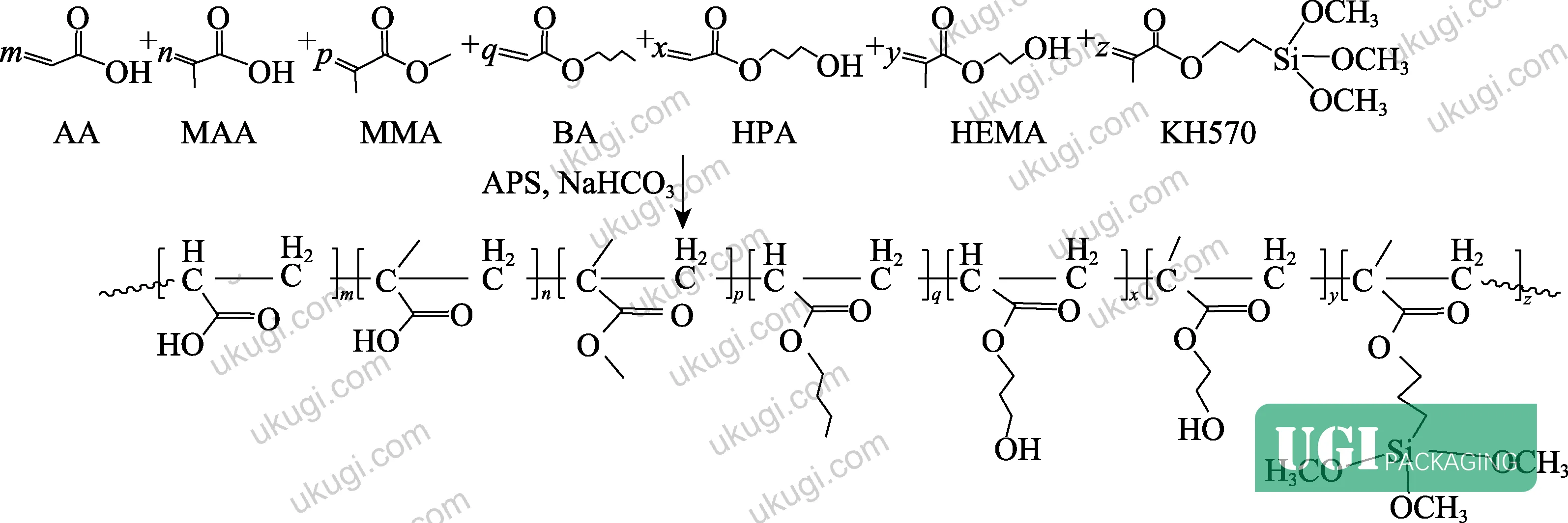
Silicon-Acrylic Emulsion Architecture: How KH570 Content Drives Water-Based Varnish Performance #
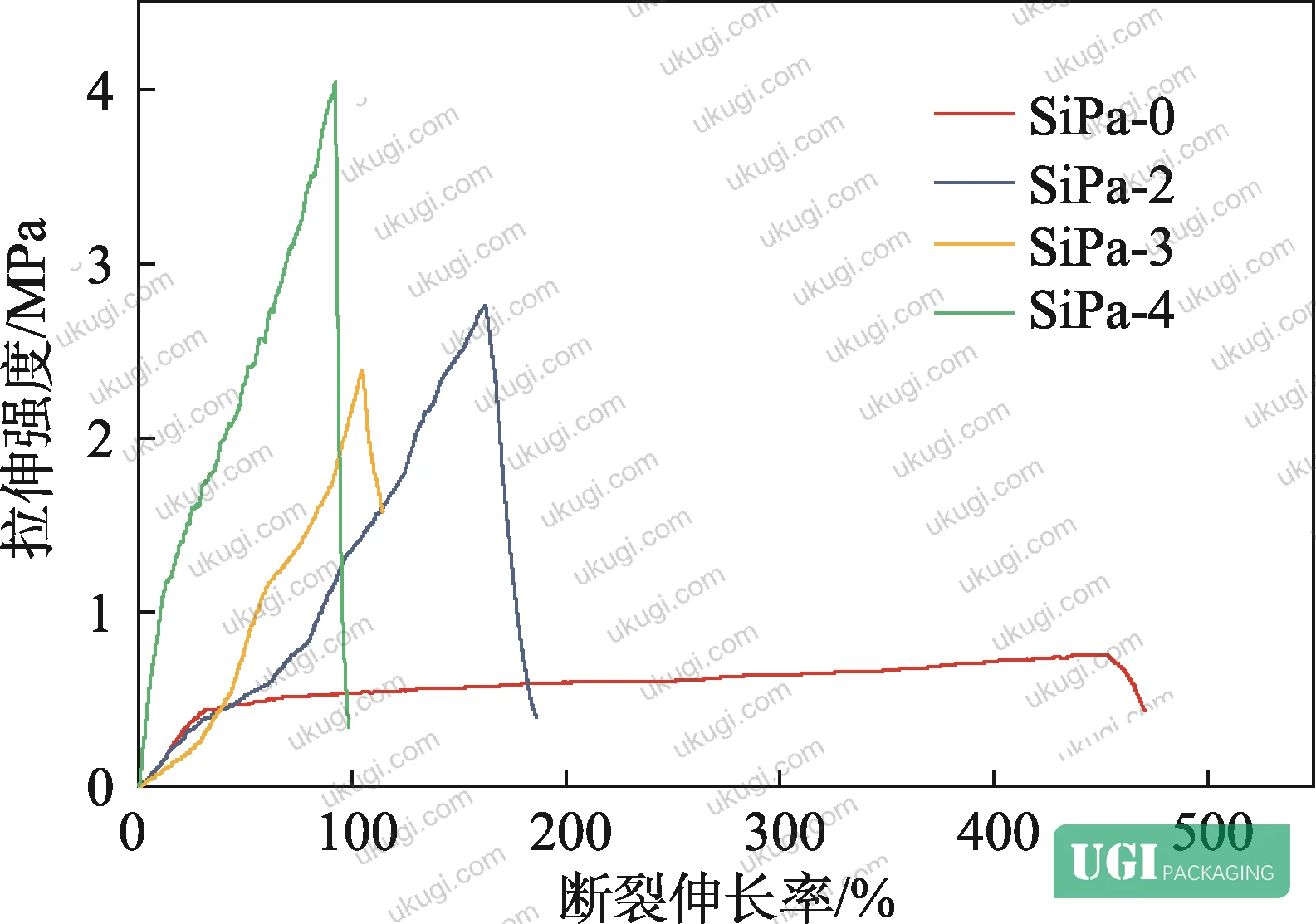
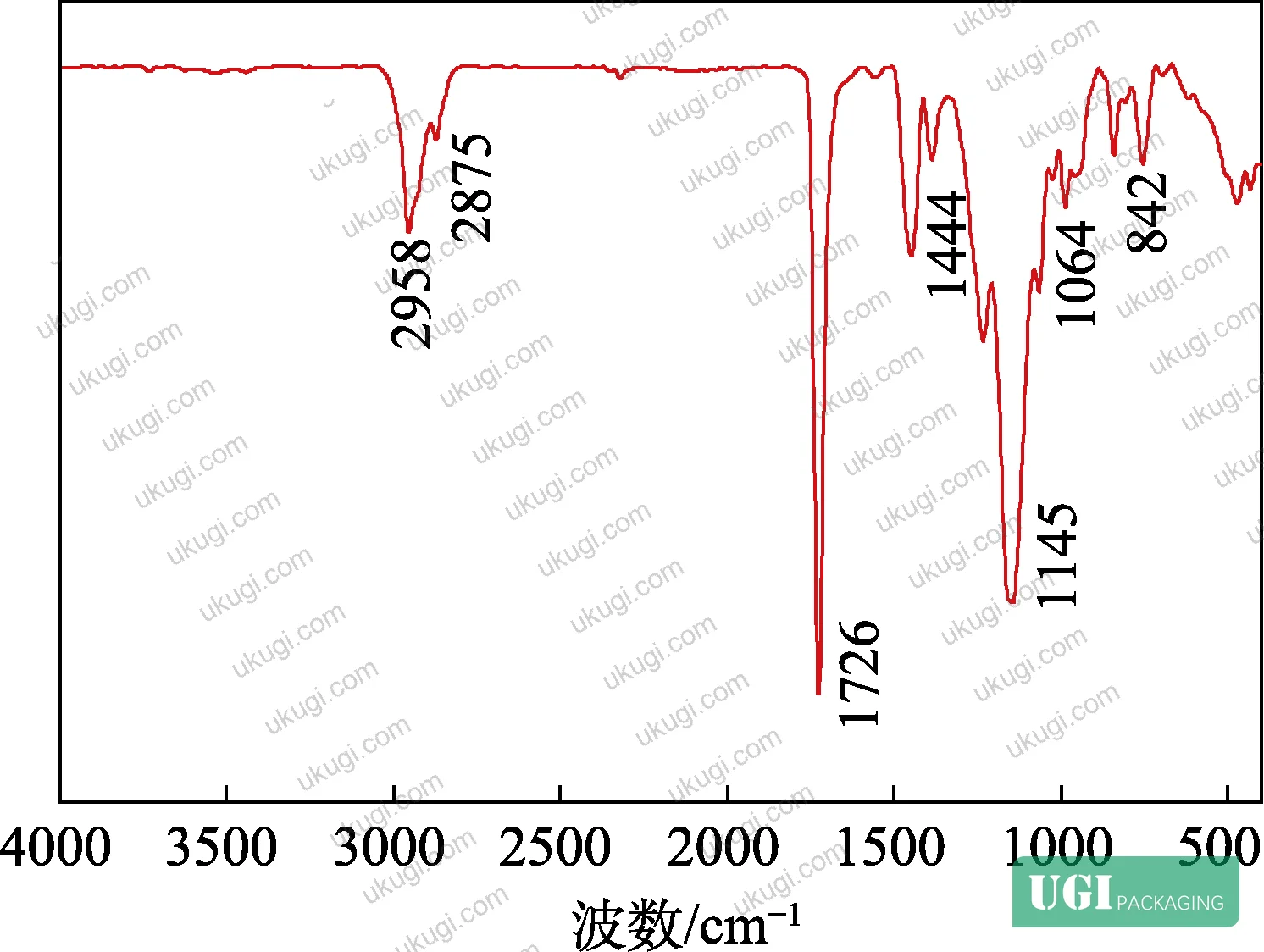
The experimental design used butyl acrylate (BA) as the soft monomer and methyl methacrylate (MMA) as the hard monomer, with KH570 added at 0%, 2%, 3%, and 4% of total mixed monomer mass. The resulting emulsions were characterized for particle size, MFT, water contact angle, Tg, emulsion stability (TSI), and downstream varnish performance (adhesion, water resistance, rub resistance, high-temperature anti-blocking).
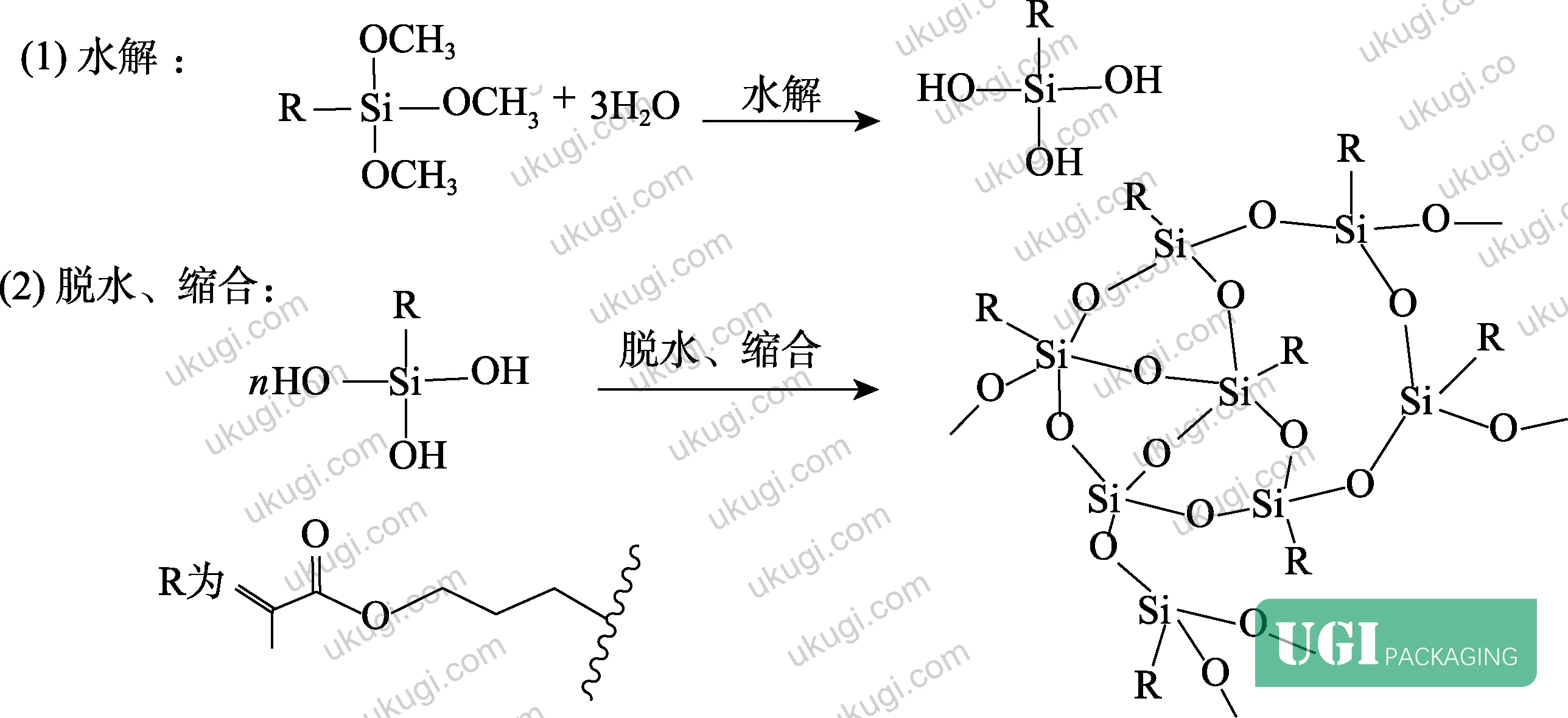
Key findings from the KH570 optimization sweep:
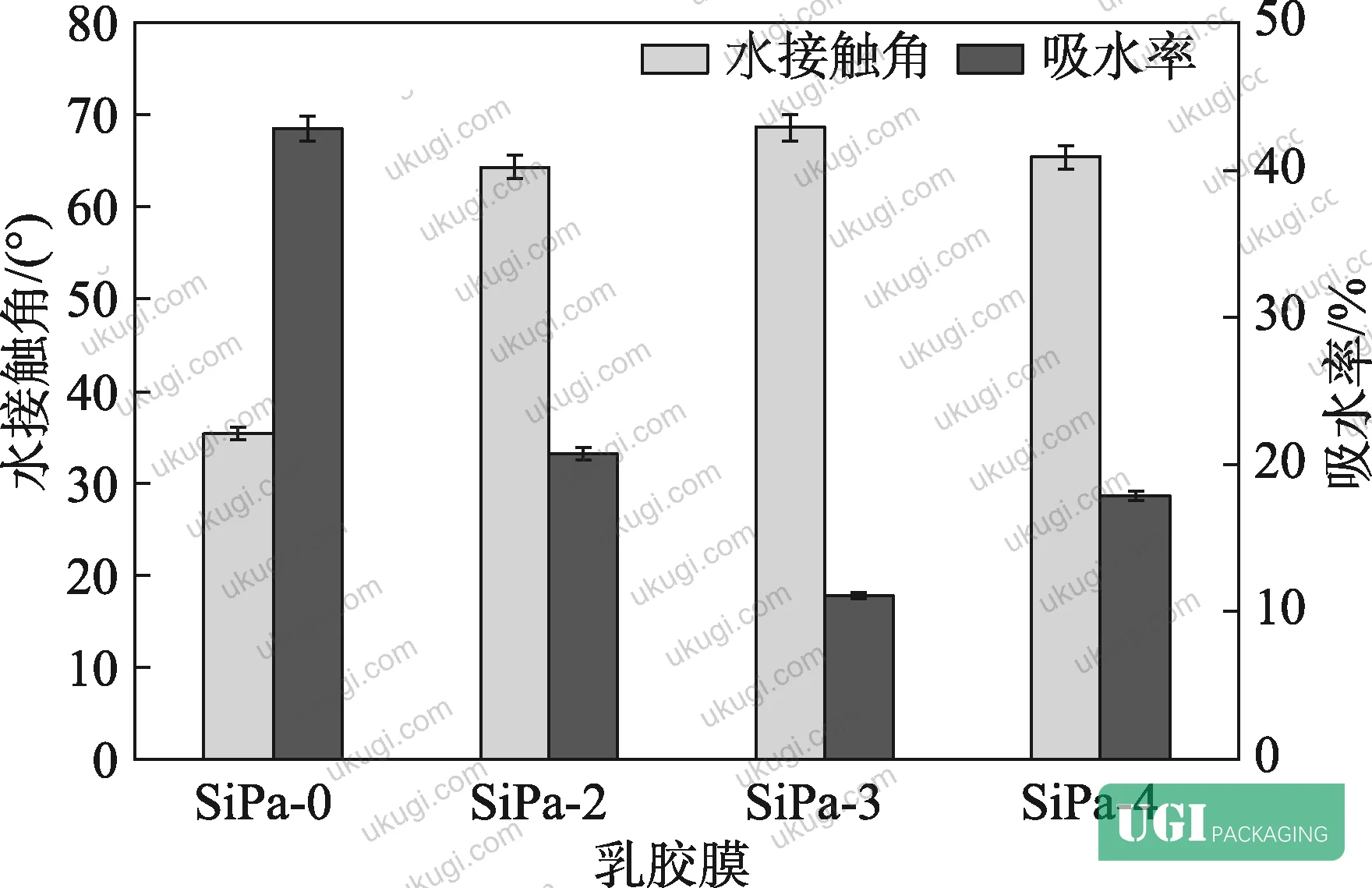
At 3% KH570, the low-Tg silicon-acrylic emulsion (dSiPA-3) shows the best overall profile:
- Average particle size: 116.5 nm
- MFT: 16.6 °C
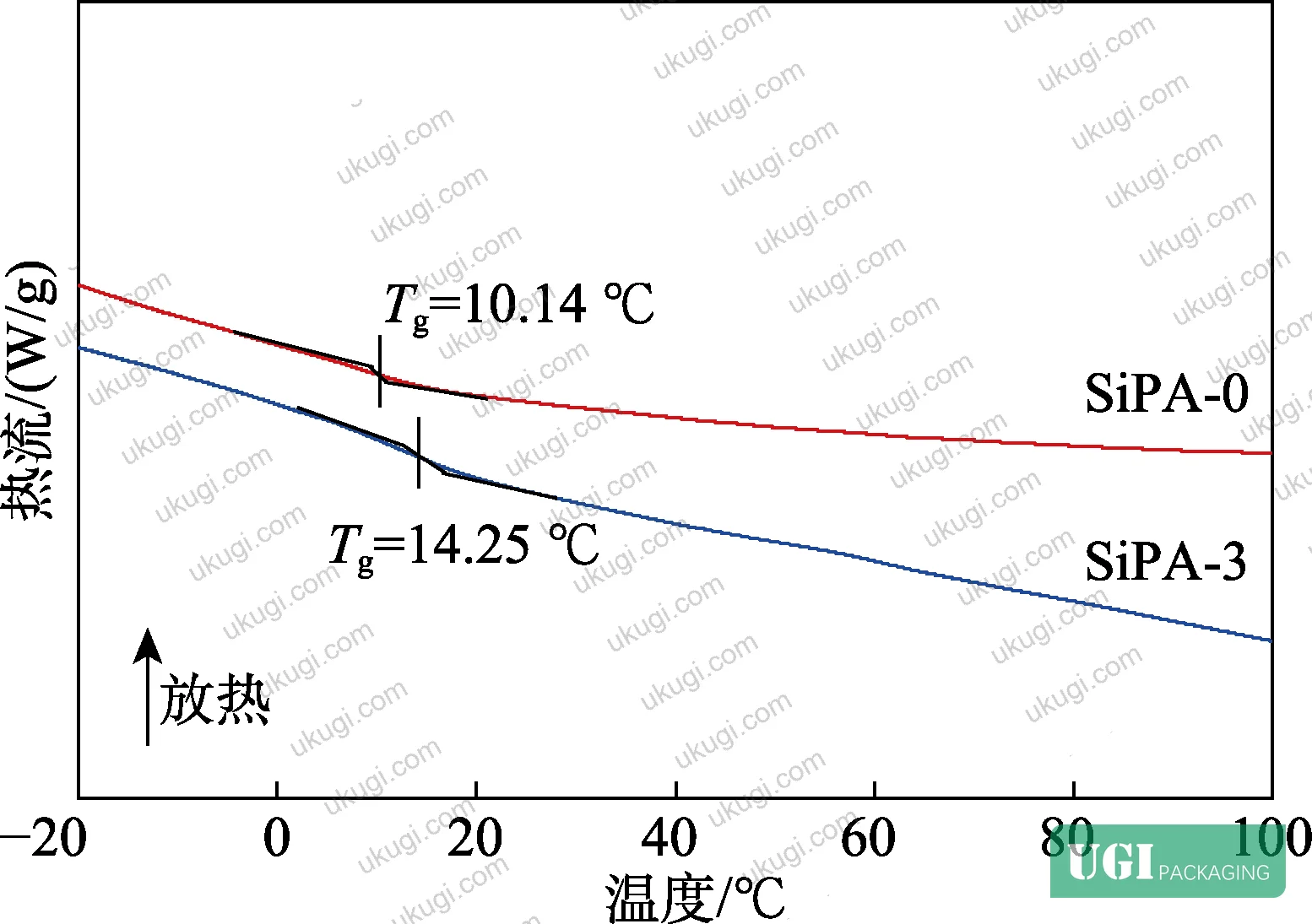
- Latex film Tg: 14.25 °C
- Water contact angle: 68.6°
- Varnish water resistance: 50 rub cycles (wet)
- Rub resistance (dry): 500 cycles
- High-temperature anti-blocking: 150 °C
- Coating adhesion: Grade 0 (cross-cut, best possible)
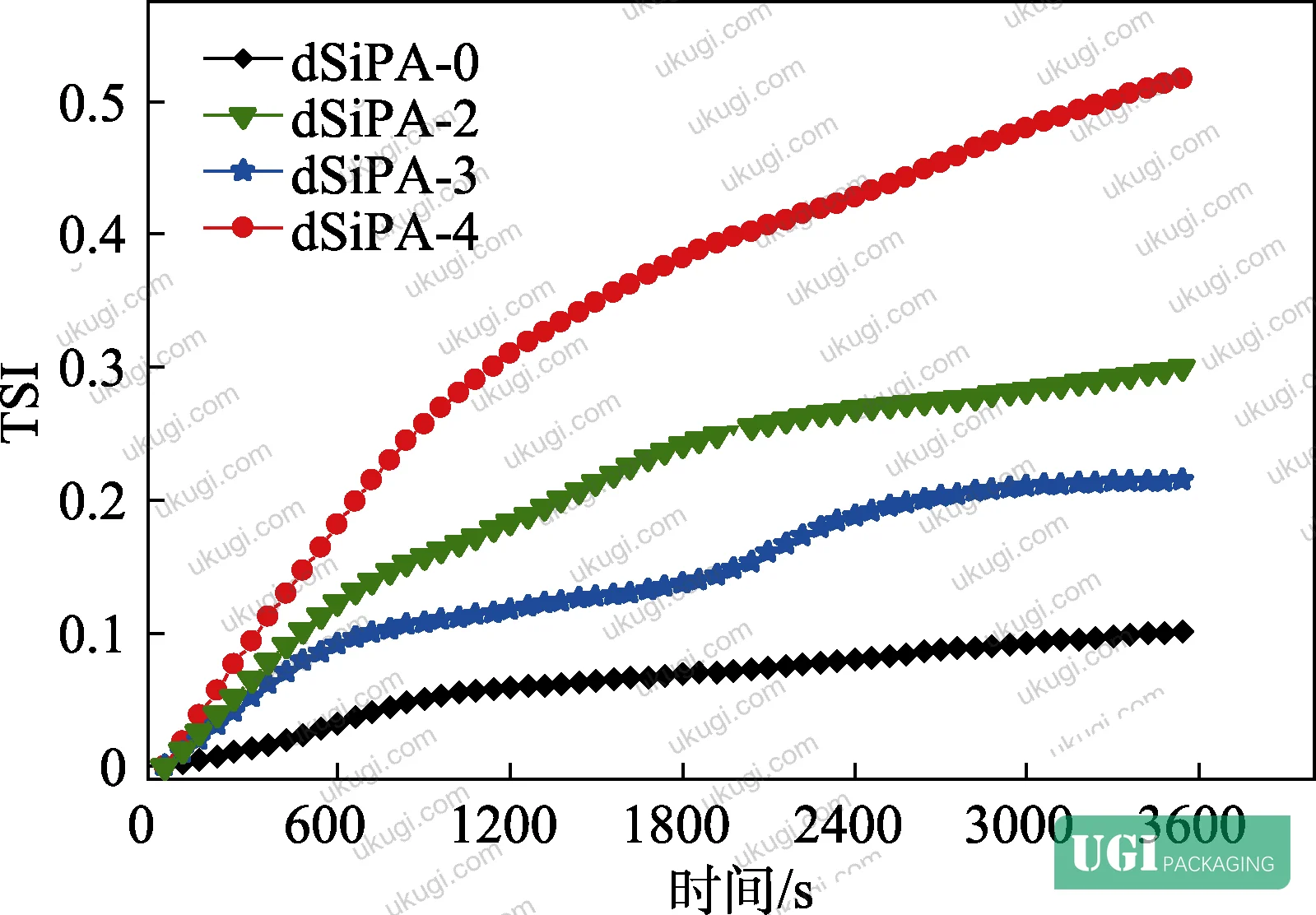
The 4% KH570 variant showed degraded stability — excess silane causes over-crosslinking, gel formation, and increased TSI (turbidity instability index), meaning the emulsion becomes less stable over time rather than more. In supplier qualification work, we have seen this exact failure mode misidentified as a storage or shipping problem when the root cause was formulary over-modification. The chemistry is straightforward: KH570 hydrolysis produces silanol groups that form Si–O–Si networks; past a critical density, those networks tighten before film formation is complete, producing stress cracking in the coating.
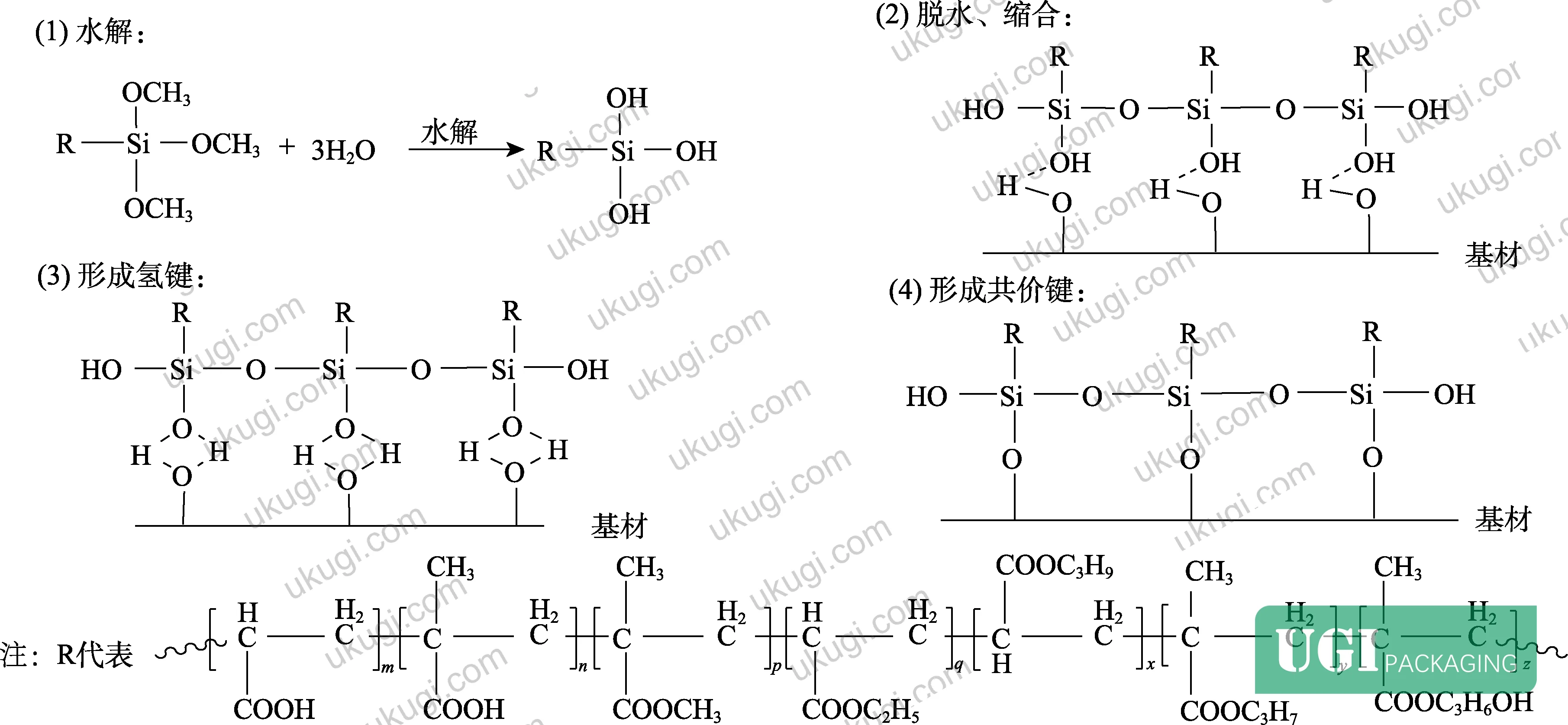
The high-Tg silicon-acrylic emulsion (gSiPA-3, also at 3% KH570) shows stronger thermal resistance when used alone:
- High-temperature anti-blocking: 210 °C
- Rub resistance: 500 cycles
- Water resistance: 50 cycles
- Adhesion: Grade 0
- Varnish viscosity: 15.9 s (No. 4 cup)
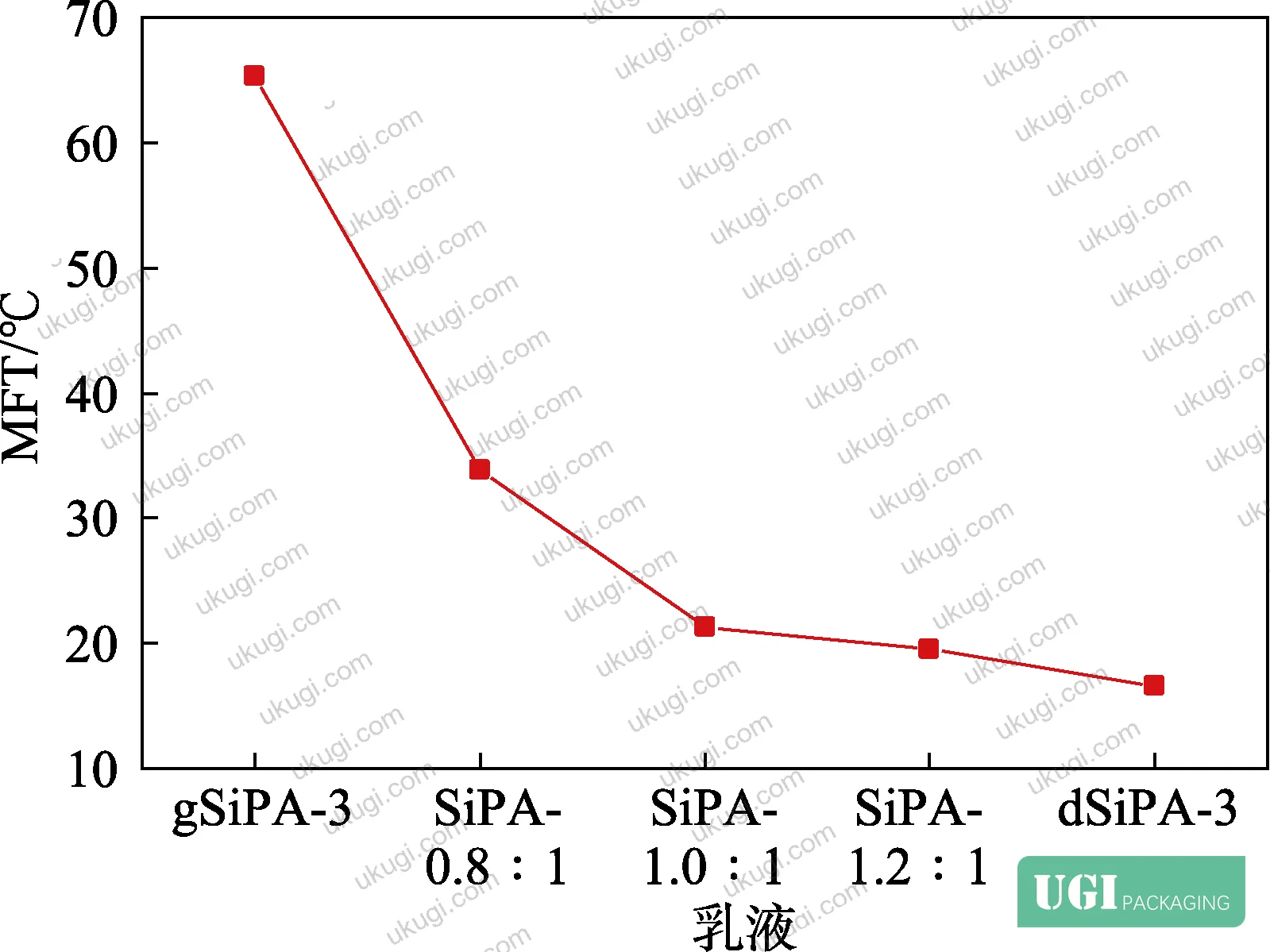
The trade-off: gSiPA-3 alone has an MFT of 65.3 °C, which is unworkable for ambient-temperature application on most coating lines. This is where the compound emulsion approach delivers.
For technical context on coating substrate interactions and rub resistance evaluation, the testing methodology aligns with ISO 15397:2014 Printing inks — Determination of resistance to rubbing — worth specifying explicitly in your varnish procurement documentation.
Soft/Hard Emulsion Blending: The Engineering Trade-off That Determines Processability #
Honestly, most buyers over-specify thermal resistance at the expense of application processability. A varnish that resists 210 °C blocking but requires a 65 °C minimum application temperature is operationally useless on a standard water-based coating unit. The compound emulsion strategy resolves this directly.
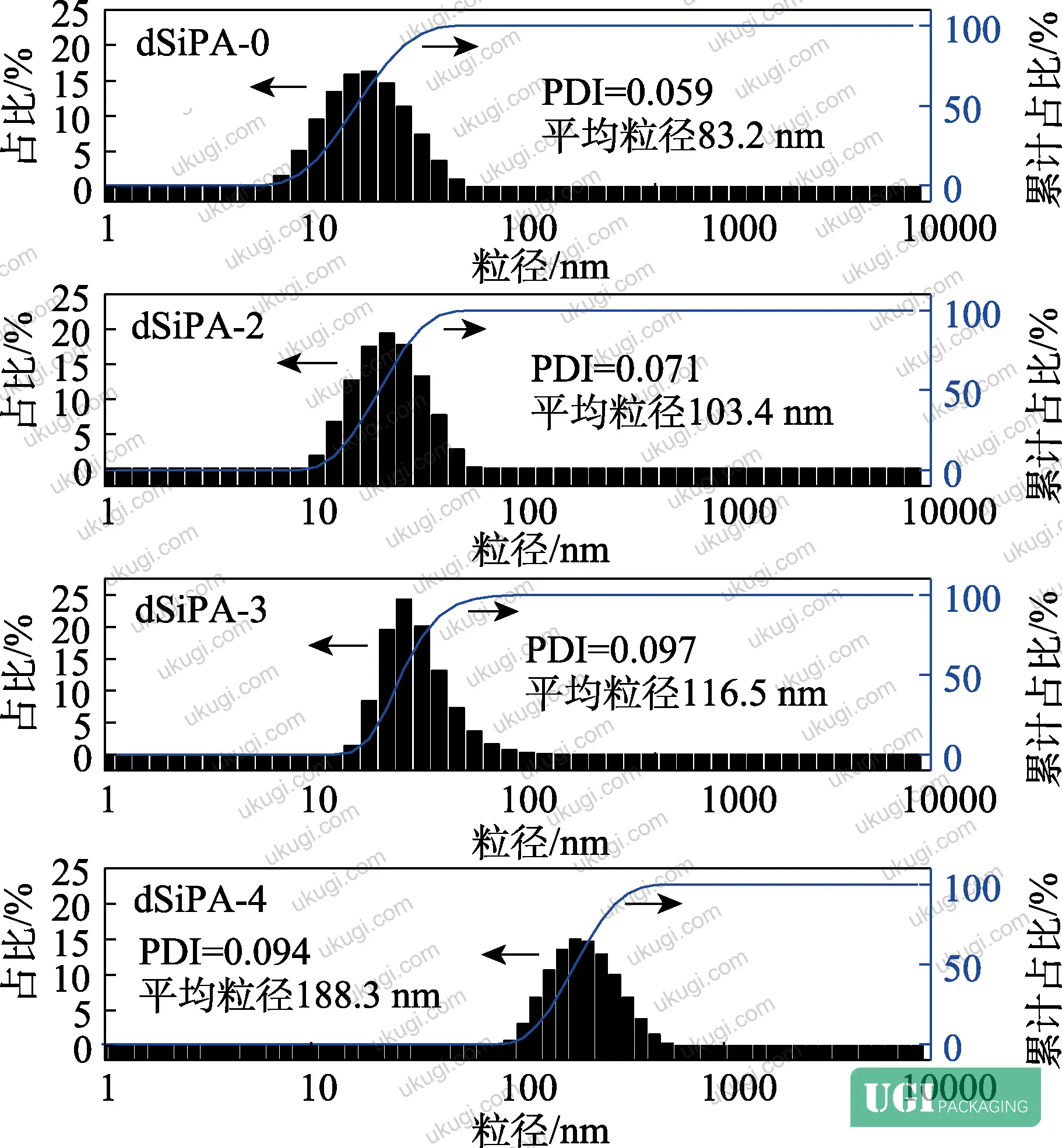
The blend testing covered soft∶hard ratios of 0.8∶1, 1.0∶1, and 1.2∶1 (dSiPA-3 : gSiPA-3 by mass). The MFT results are operationally significant:
| Blend Ratio (soft∶hard) | MFT (°C) | Anti-Blocking Temp (°C) | Water Contact Angle (°) | Rub Resistance (cycles) |
|---|---|---|---|---|
| dSiPA-3 alone | 16.6 | 150 | 68.6 | 500 |
| gSiPA-3 alone | 65.3 | 210 | — | 500 |
| 0.8∶1 compound | 33.8 | 210 | 77.9 | 500 |
| 1.0∶1 compound | 21.3 | 190 | ~75 | 500 |
| 1.2∶1 compound | 19.5 | 180 | ~72 | 500 |
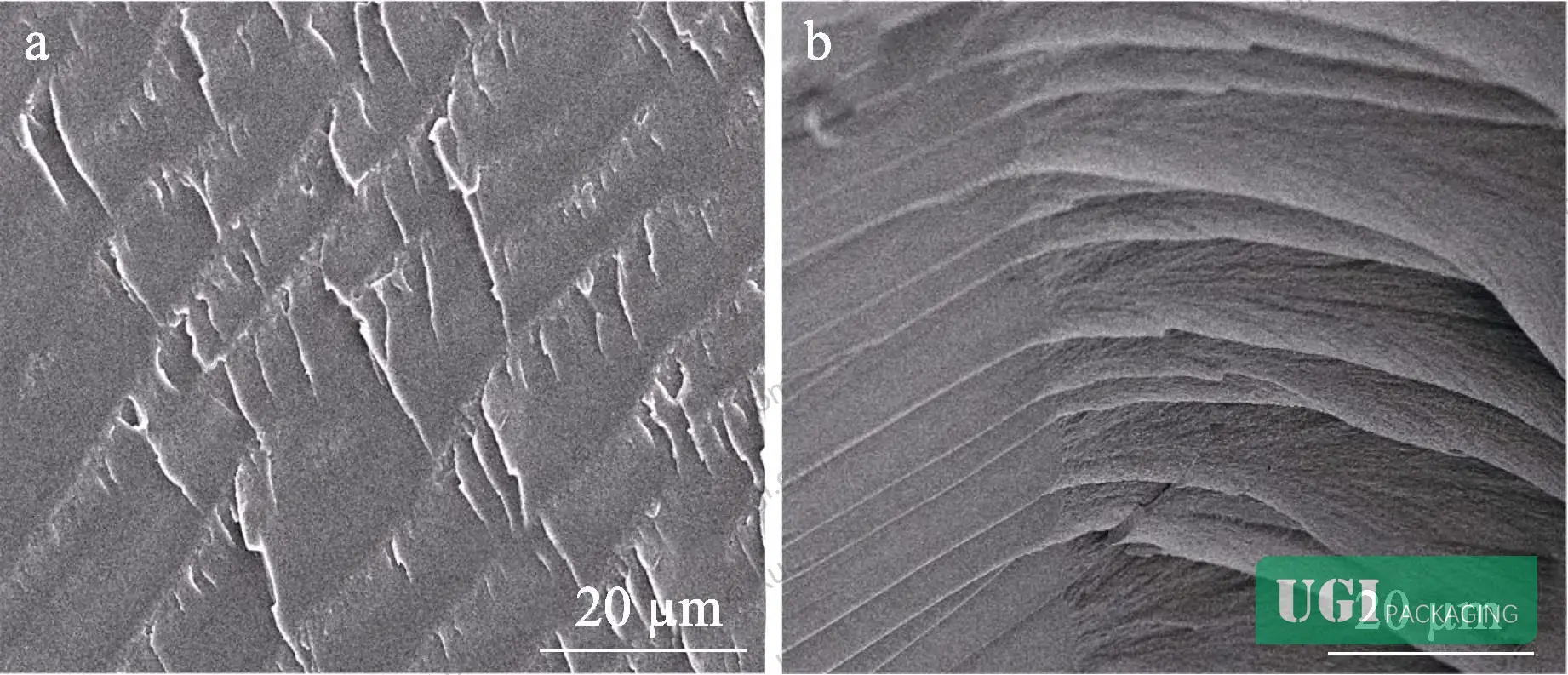
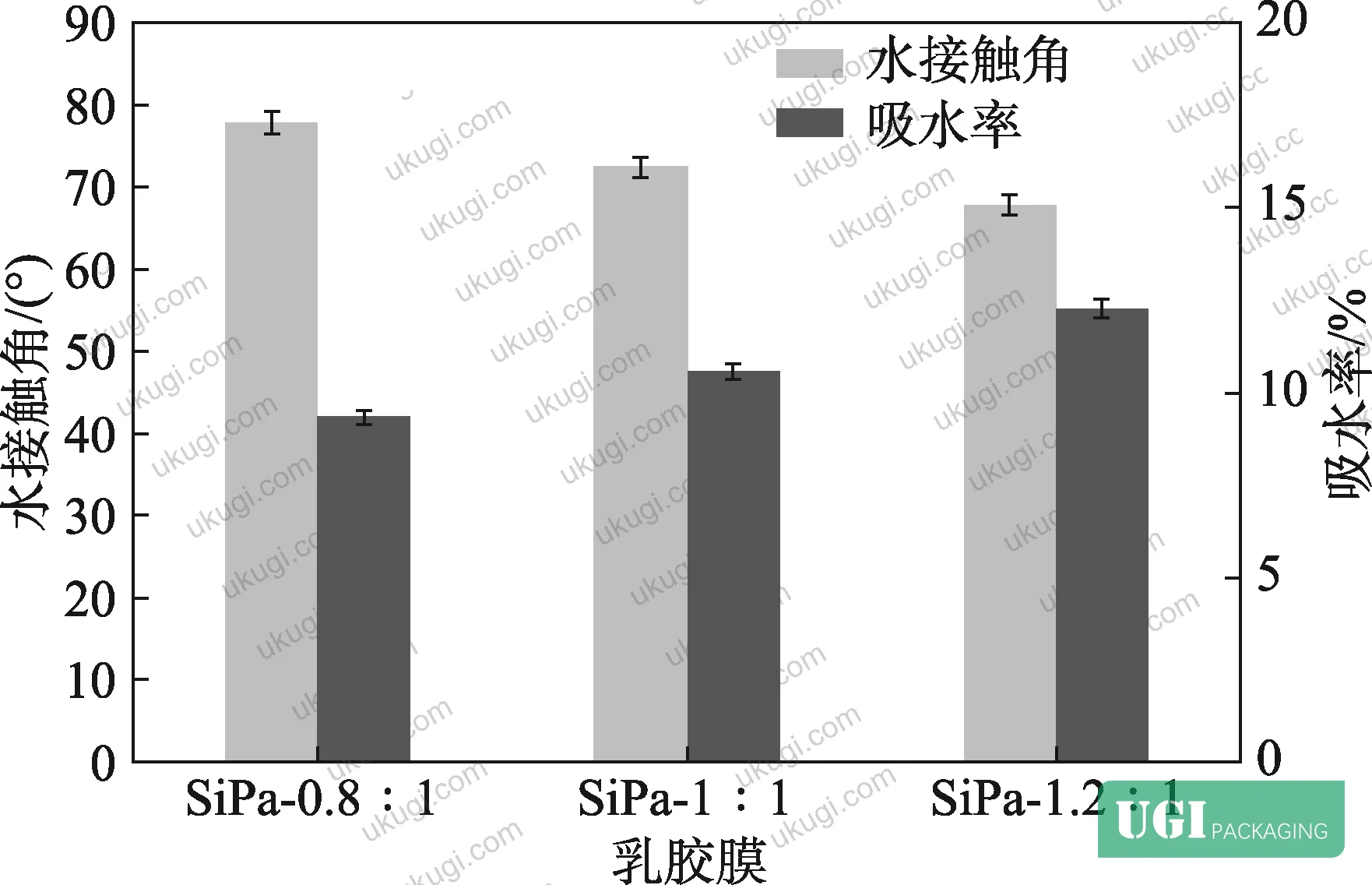
The 0.8∶1 blend is the inflection point: it retains the full 210 °C anti-blocking performance of the hard emulsion while dropping the MFT to 33.8 °C — a 31.5 °C reduction compared to gSiPA-3 alone, making it compatible with standard coating line temperatures. Adhesion remains Grade 0 and water resistance holds at 50 wet cycles across all blend ratios.
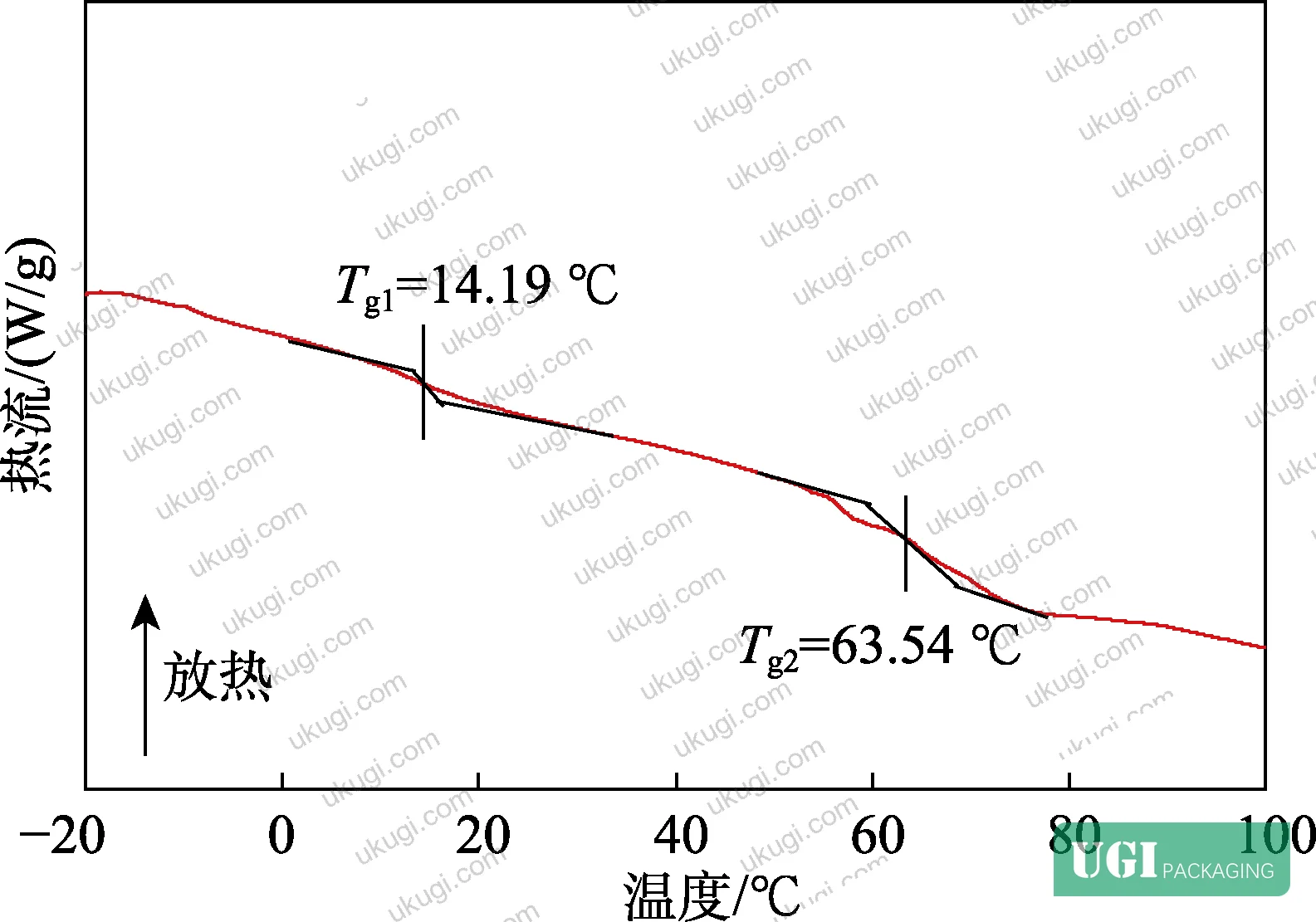
The DSC data for the 0.8∶1 compound film shows two distinct Tg transitions: Tg1 = 14.19 °C and Tg2 = 63.54 °C. This dual-phase structure is the mechanical explanation for the performance: soft-phase domains fill the interstices between hard-phase latex particles during film formation, preventing crack propagation while the hard phase provides the thermal and abrasion resistance. The Tg1 value closely matches the pure soft emulsion Tg (14.25 °C), confirming phase separation is preserved in the blend.
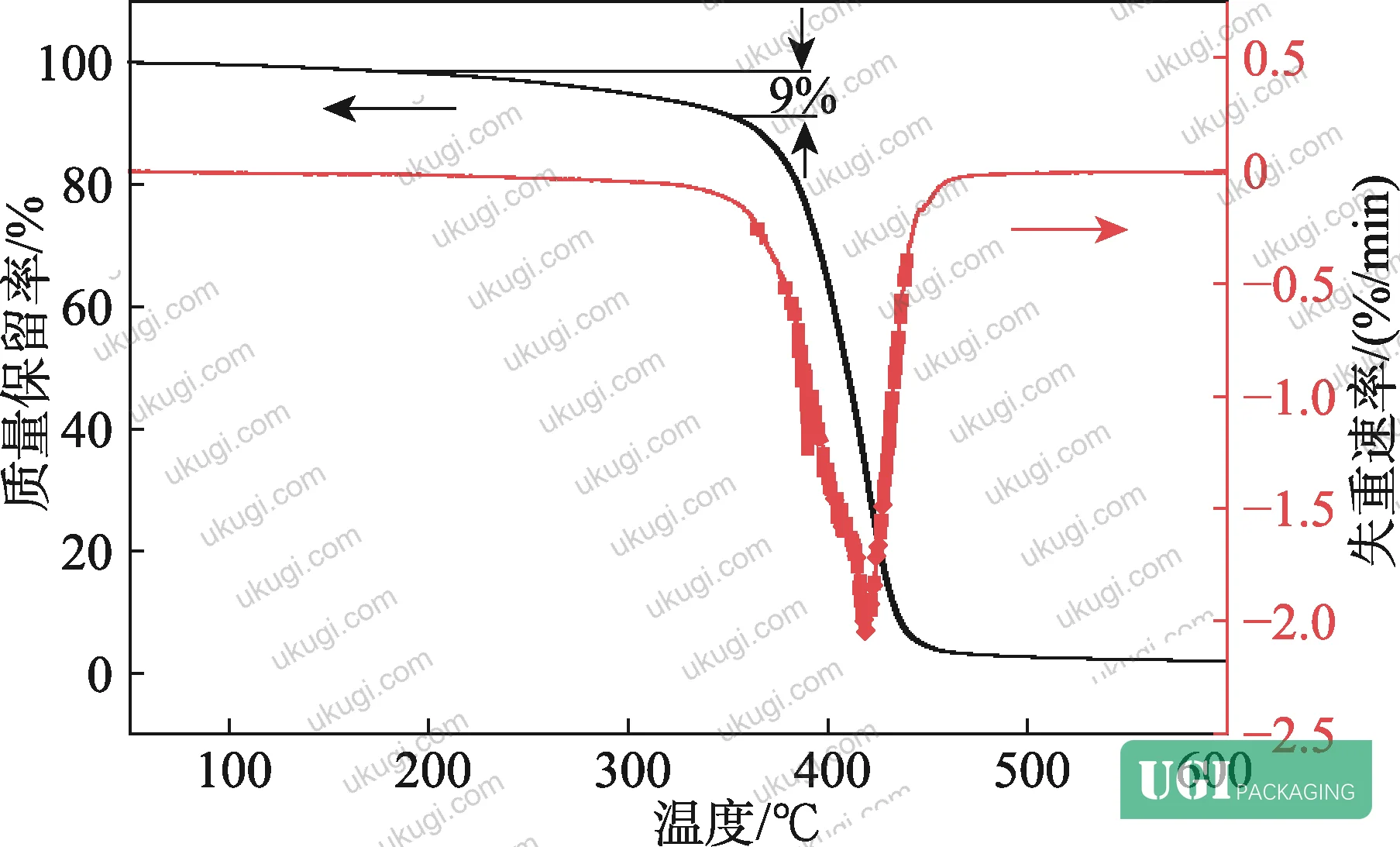
TGA analysis of the SiPa-3 latex film shows the decomposition profile in detail: initial weight loss to 369 °C is approximately 9% (primarily residual water volatilization), followed by accelerated decomposition as C–O–C and C–C bonds fracture in the acrylic backbone, then Si–O–Si bond cleavage occurring around 410 °C, with decomposition continuing to 550 °C. This sequence explains why the Si–O bond network (121 kJ/mol bond energy) contributes meaningfully to high-temperature anti-blocking performance — the siloxane cross-links outlast the organic backbone by a significant temperature margin.
Most procurement teams don’t realize that water-based varnish specifications in the print finishing sector have evolved considerably — current formulation data shows that silane-modified composite architectures can close most of the performance gap with solvent-based varnishes while meeting VOC requirements. The industry still largely relies on single-emulsion specifications that were adequate for offset sheet-fed work but underperform in high-speed digital and inline finishing environments where substrate heating is unavoidable.
Measuring substrate-varnish interaction accurately depends on controlled conditioning environments. ISO 187:1990 Paper, board and pulps — Standard atmosphere for conditioning and testing provides the baseline conditioning requirements that should be referenced when specifying acceptance tests for varnished substrates.
Thermal Stability and Film Formation Mechanism #
The practical failure mode in water-based varnish for packaging is thermal blocking: two varnish-coated surfaces in contact under elevated temperature and pressure fuse together, causing damage on separation. This is a real problem on automated packing lines where stacks of freshly coated folding cartons are compressed and transported at ambient-to-warm temperatures.
In supplier qualification exercises across multiple varnish suppliers, three of six samples submitted as “high-temperature resistant” failed the 150 °C blocking test within the first sample batch — not at 150 °C, but at 120–130 °C. Every one of those failures came from suppliers using single-emulsion acrylic systems with no silane modification. When asked for Tg data, two could not provide it. This is not a niche problem; it is the standard failure mode for under-specified water-based varnish.
The water contact angle and absorption rate data reinforce the material logic. At the 0.8∶1 blend ratio, the latex film water contact angle reaches 77.9° — the highest hydrophobicity in the blend series — because the MMA-rich hard phase dominates surface chemistry at this ratio. As soft BA content increases (toward 1.2∶1), water contact angle falls progressively (range: 60°–80° across the blend series) and water absorption rate rises, because BA segments increase chain flexibility and surface energy simultaneously.
For packaging formats where varnish adhesion to plastic film substrates is relevant, ASTM D882 Standard Test Method for Tensile Properties of Thin Plastic Sheeting is the reference method for characterizing the substrate mechanical behavior that underlies coating adhesion failure analysis.
Practical Guidance for Buyers #
When you are evaluating water-based varnish for packaging applications that involve any post-coating heat exposure — shrink tunnels, heat-seal bars, autoclave sterilization, or tropical shipping conditions — the varnish emulsion architecture is the specification, not just the viscosity and gloss value.
Four things to nail down before approving a sample:
First, confirm whether the supplier uses a single-emulsion or compound-emulsion system. Single-emulsion systems with KH570 modification max out around 150 °C anti-blocking; compound systems reach 210 °C. If a supplier cannot tell you which architecture they use, that is a disqualifying answer.
Second, get the MFT value. A varnish with MFT above 40 °C will not form a coherent film on ambient-temperature coating lines without coalescent additives, which reintroduce VOC problems and complicate food-contact compliance.
Third, require Grade 0 adhesion data (cross-cut method) on the specific substrate you are running — paper, film, coated board. Adhesion performance is substrate-dependent and any supplier claim without substrate specification is meaningless.
Fourth, treat viscosity as a stability indicator, not just a runability parameter. The 0.8∶1 compound varnish showed 16.3 s (No. 4 cup), which is within the standard water-based varnish application range. Viscosity drift over shelf life — especially upward drift from continued crosslinking — indicates formulation instability.
Our team at ukugi.com produces surface-finished packaging including folding cartons, rigid boxes, and custom labels and stickers with water-based varnish and UV options, and we can advise on coating selection based on your downstream process requirements. Whether you are qualifying a coating system or need samples to test against your existing line conditions, we work directly with brand owners and packaging buyers across North America, Europe, and Southeast Asia.
Need a custom formulation or sample? Request a quote from our team →
Technical Verification Questions #
- What is the KH570 silane coupling agent content (as a percentage of total mixed monomer mass) in your silicon-acrylic emulsion, and can you provide TSI stability curves showing the emulsion remains stable over the intended shelf life?
- Can you provide DSC data confirming the latex film Tg values — specifically, for a compound emulsion system, are two distinct Tg transitions present (target: approximately 14 °C and 63 °C), and does the lower Tg align with the pure soft-phase Tg?
- What is the minimum film-forming temperature (MFT) of the varnish as supplied, and how was it measured (reference GB/T 9267 or equivalent)? For compound emulsion systems, confirm the MFT is below 40 °C for ambient application compatibility.
- What high-temperature anti-blocking resistance temperature can the varnish achieve (test: surface-to-surface contact under defined pressure and time), and is this tested on the same substrate you will be applying to — not a generic test panel?
- Can you provide TGA decomposition data for the latex film, confirming that the initial weight-loss stage (water volatilization) is completed below 370 °C and that Si–O–Si bond cleavage occurs at approximately 410 °C — confirming actual siloxane cross-link incorporation rather than surface adsorption?
Quality Verification Checklist #
- ☐ Emulsion particle size confirmed ≤120 nm (target: 116.5 nm for dSiPA-3 type) via dynamic light scattering (DLS)
- ☐ MFT ≤40 °C for compound emulsion systems, ≤20 °C for soft single-emulsion systems, measured per GB/T 9267
- ☐ Coating adhesion Grade 0 on specified substrate (cross-cut test, 5-point scale, Grade 0 = no detachment)
- ☐ High-temperature anti-blocking resistance ≥150 °C for single-emulsion silane-modified varnish; ≥210 °C for compound emulsion varnish
- ☐ Dry rub resistance ≥500 cycles on production substrate
- ☐ Water resistance ≥50 wet rub cycles (water-wetted pad, standard contact pressure)
- ☐ DSC confirms dual Tg (14 °C ± 2 °C and 63 °C ± 3 °C) for compound emulsion films at 0.8∶1 blend ratio
- ☐ Water contact angle ≥75° for compound emulsion latex films at 0.8∶1 blend ratio (target: 77.9°)
Key Specifications Table #
| Parameter | Recommended Value | Verification Method |
|---|---|---|
| KH570 silane content | 3% of mixed monomer mass | Formulation disclosure + TGA/FTIR confirmation |
| Minimum film-forming temperature (MFT) | ≤33.8 °C (compound); ≤16.6 °C (soft single) | GB/T 9267 MFT tester |
| High-temperature anti-blocking resistance | ≥210 °C (compound 0.8∶1 blend) | Blocking resistance test: surface contact at defined T/pressure/time |
| Coating adhesion | Grade 0 | Cross-cut adhesion test (5-point scale) |
| Dry rub resistance | ≥500 cycles | Friction test, dry pad, standard pressure |
| Water resistance | ≥50 cycles | Wet rub resistance (water soak pad) |
| Latex film water contact angle | ≥77.9° (compound); ≥68.6° (soft single) | Contact angle goniometer |
| Average emulsion particle size | ≤120 nm | Dynamic laser light scattering (DLS) |
Looking for a manufacturer that meets these specs? Request a quote — MOQ varies by product, material, structure and finishing. Product-specific MOQ is confirmed with each quotation.
References #
Data source: Preparation and High-Temperature Resistance of Soft–Hard Silicon-Acrylic Composite Emulsions for Water-Based Varnish Coatings, K.-Y. Liu et al., Journal of Applied Polymer Science, 2025
Frequently Asked Questions #
What is the main difference between a single-emulsion and compound-emulsion water-based varnish?
A single-emulsion system uses one acrylic polymer, which means you are choosing between good film formation (low Tg) or good thermal resistance (high Tg) — not both. A compound emulsion blends a low-Tg soft emulsion with a high-Tg hard emulsion so that the soft phase fills interstitial gaps between hard latex particles during film formation, producing a continuous film at ambient temperatures while the hard phase delivers thermal resistance. The 0.8∶1 soft/hard blend achieves 210 °C anti-blocking at an MFT of 33.8 °C — a combination no single-emulsion system tested here matched.
Why does KH570 content above 3% cause emulsion instability rather than improving performance?
At 4% KH570, the silane hydrolysis and condensation reactions proceed faster than they can be incorporated into the growing polymer chain. The result is premature Si–O–Si network formation that increases emulsion viscosity, promotes gel formation, and raises the TSI (turbidity stability index) — indicating phase separation and settling over time. Three percent is the functional optimum: enough Si–O cross-linking to raise bond energy and thermal resistance, without destabilizing the latex particle suspension.
Can this varnish system be used on plastic film substrates as well as paper?
The coating adhesion data (Grade 0 across all optimized formulations) was measured on coated paper substrates. For plastic film substrates — PE, PET, BOPP — adhesion performance will depend on surface energy of the specific film and whether corona or flame treatment has been applied. The silanol groups in KH570-modified emulsions can bond to hydroxyl groups on polar substrates, which gives an advantage on treated films, but substrate-specific adhesion testing is required before approval. Do not assume paper performance transfers to film.
What does “Grade 0 adhesion” mean in practice, and is it the same as 100% adhesion?
Grade 0 is the best result on the standard 0–5 cross-cut adhesion scale, indicating that no coating detaches when the cross-cut pattern is made and tape is pulled. It does not mean the coating is impossible to remove — it means there is no detachment under the standardized test conditions. In real-world use, adhesion can still fail under peel, chemical exposure, or flexing conditions not covered by the cross-cut test. Grade 0 is a necessary specification threshold, not a guarantee of performance in every use scenario.
How should I specify water-based varnish for gift packaging solutions that require both high gloss and resistance to handling in warm climates?
Specify a compound silicon-acrylic varnish with anti-blocking resistance ≥150 °C (minimum) and dry rub resistance ≥500 cycles. For tropical logistics — sustained ambient temperatures of 35–45 °C plus compression stacking — the 0.8∶1 compound formulation with 210 °C anti-blocking provides adequate margin. Also confirm the MFT is below your coating line temperature by at least 10 °C to ensure full film formation. Gloss level is controlled by application weight and substrate smoothness, not emulsion architecture — it is a separate specification.
Published by ukugi.com Technical Team | Request a quote


