

TL;DR #
Sliding friction at the cigarette outlet contact point is directly responsible for tobacco particle loss, with the outlet zone accounting for 61.62% of all tobacco debris — more than three times the contribution of any other position in the transport path. For packaging equipment buyers and production engineers, this means that contact interface design is the dominant variable controlling rejection rates, not upstream roll parameters or tobacco moisture content. Before specifying or auditing any high-speed packaging line, verify that the outlet guide mechanism uses rolling contact, not fixed-plate sliding friction — the difference in rejection rate reduction is documented at 46.26%.
Overview #
Most procurement teams evaluating high-speed packaging equipment focus on rated throughput and mechanical uptime. They overlook the contact interface design at the product outlet — and that’s where a significant share of rejection losses originate. Engineering evaluations conducted at manufacturing facility running GD-type wrapping lines identified the outlet friction zone as the primary driver of empty-pack rejection, using a controlled multi-position debris collection protocol across five production units over a 10-day measurement window. Sample size covered 36,614 rejection events before modification, with 27,356 post-modification — large enough to draw statistically meaningful conclusions about rejection category distribution.
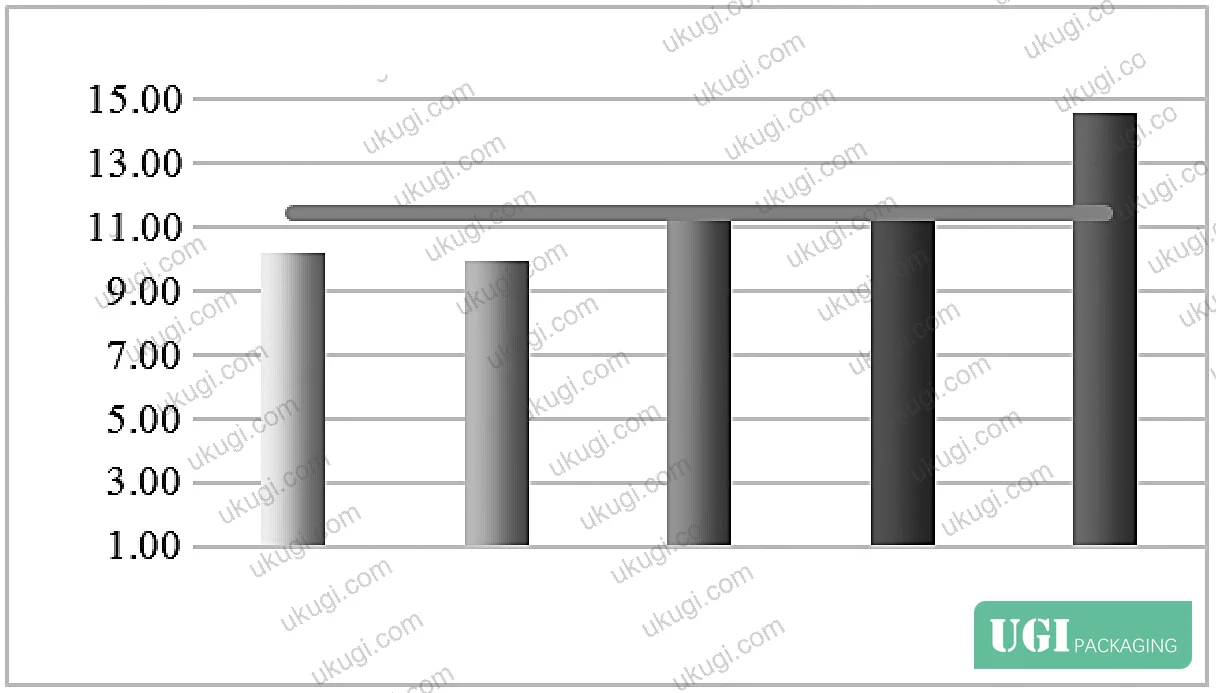
The study methodology is worth noting: rather than relying on aggregate rejection counts, researchers isolated tobacco debris (referred to here as “tobacco particulate fallout”) at three distinct positions — outlet, transport channel, and lower channel — and corelated position-specific fallout mass with packaging machine rejection totals. This is a more rigorous approach than the machine-level analyses common in industry audits. The result was unambiguous: outlet particulate fallout and pack rejection volume move together in a positive correlation across all five units tested.
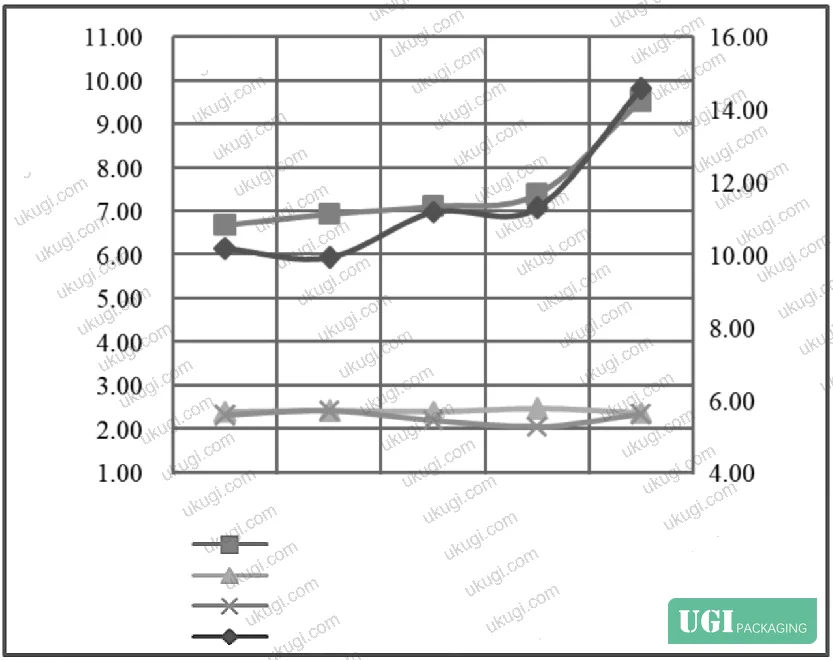
For context, the GD-type equipment showed rejection rates approximately 1.53 times higher than the lowest-performing machine type in the same facility, with the worst unit registering 14.57 packs rejected per carton — a figure that represents significant material loss per production run.
Friction Interface Design and Its Direct Impact on Packaging Rejection Rates #
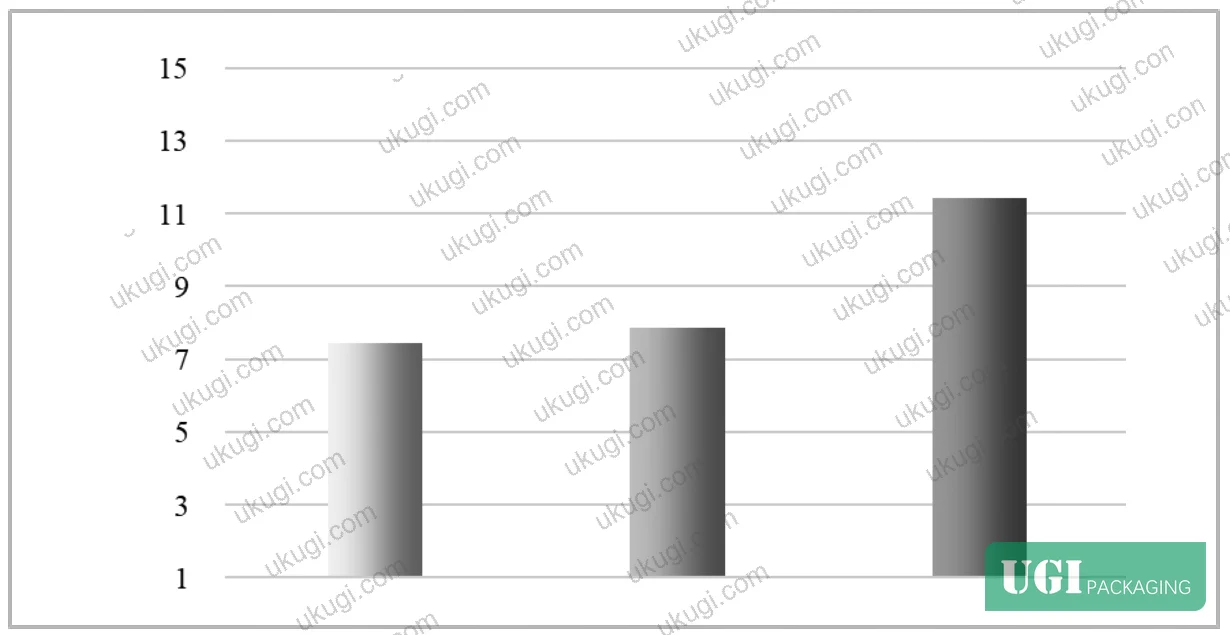
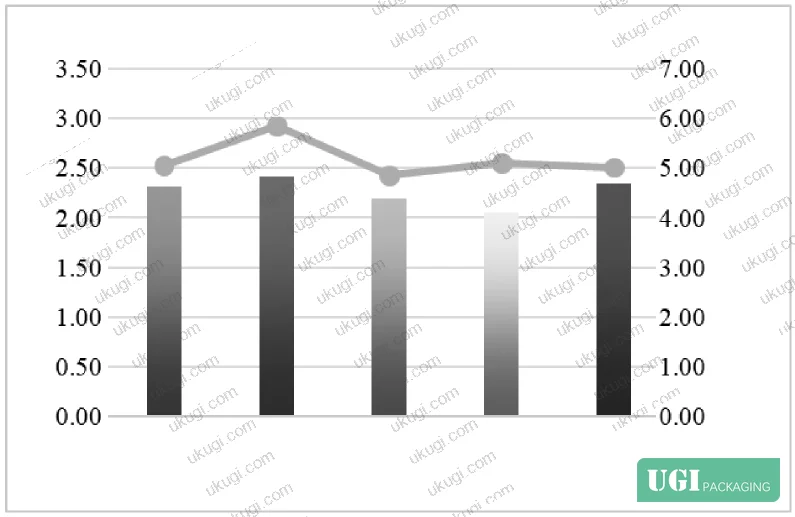
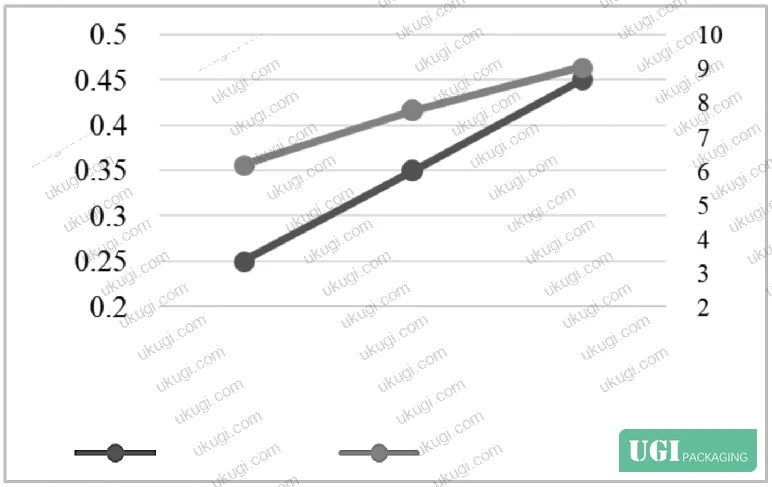
The friction interface between a product outlet guide and the product tip is one of those specification details that rarely appears in an RFQ — and that omission is costly. Controlled experiments using three outlet guide plates with friction coefficients of 0.25, 0.35, and 0.45 demonstrated a clear linear relationship: as sliding friction increased, tobacco particulate fallout increased proportionally.
Quantified results at15,000 units/min operating speed:
- μ = 0.25 (smooth plate): average fallout 6.17 g/carton
- μ = 0.35 (moderate plate): average fallout 7.77 g/carton
- μ = 0.45 (rough plate): average fallout 9.04 g/carton
Each measurement was taken across three 1-hour collection intervals per plate, giving reliable averages. The relationship between μ and fallout mass was linear — not stepped — which means even small increases in surface wear or contamination on a fixed guide plate will continuously degrade performance.
The comparative friction experiment between rolling and sliding contact modes is the most consequential data point in this evaluation. Using a controlled apparatus measuring the force required to initiate motion:
- Rolling contact initiation force: 2.5 N (consistent across 3 trials)
- Sliding contact initiation force: average 14.17 N (range 12.5–15.0 N across 3 trials)
- Ratio: sliding friction is approximately 5.67 times greater than rolling friction
This5.67× multiplier is the engineering basis for the roller conversion. Converting a fixed plate to a rotating roller — while keeping geometry identical — eliminates the destructive shear force acting on the product tip at the moment of contact.
For precision measurement of outlet guide contact forces and surface finish in this context, ASTM D882 Standard Test Method for Tensile Properties of Thin Plastic Sheting provides a relevant basis for characterizing the mechanical behavior of thin film and surface contact materials used in packaging machinery guide components.
| Contact Mode | Initiation Force (avg) | Fallout at Outlet (avg) | Pack Rejection Rate |
|---|---|---|---|
| Sliding friction (μ=0.25) | ~14.17 N equiv. | 6.17–9.04 g/carton | 14.57 packs/carton (pre-mod) |
| Rolling friction (roller design) | 2.5 N equiv. | 2.39 g/carton | 7.83 packs/carton (post-mod) |
| Reduction | 5.67× lower | 74.95% reduction | 46.26% reduction |
Honestly, most equipment buyers treat guide plate material selection as a consumable maintenance decision rather than a performance-critical specification. The data here argues the opposite: guide contact geometry and friction mode should be locked into the machine acceptance specification, with a defined maximum friction coefficient and mandatory rolling contact design above threshold throughput speed.
Rejection Category Analysis and the Rolling Friction Stabilization System #
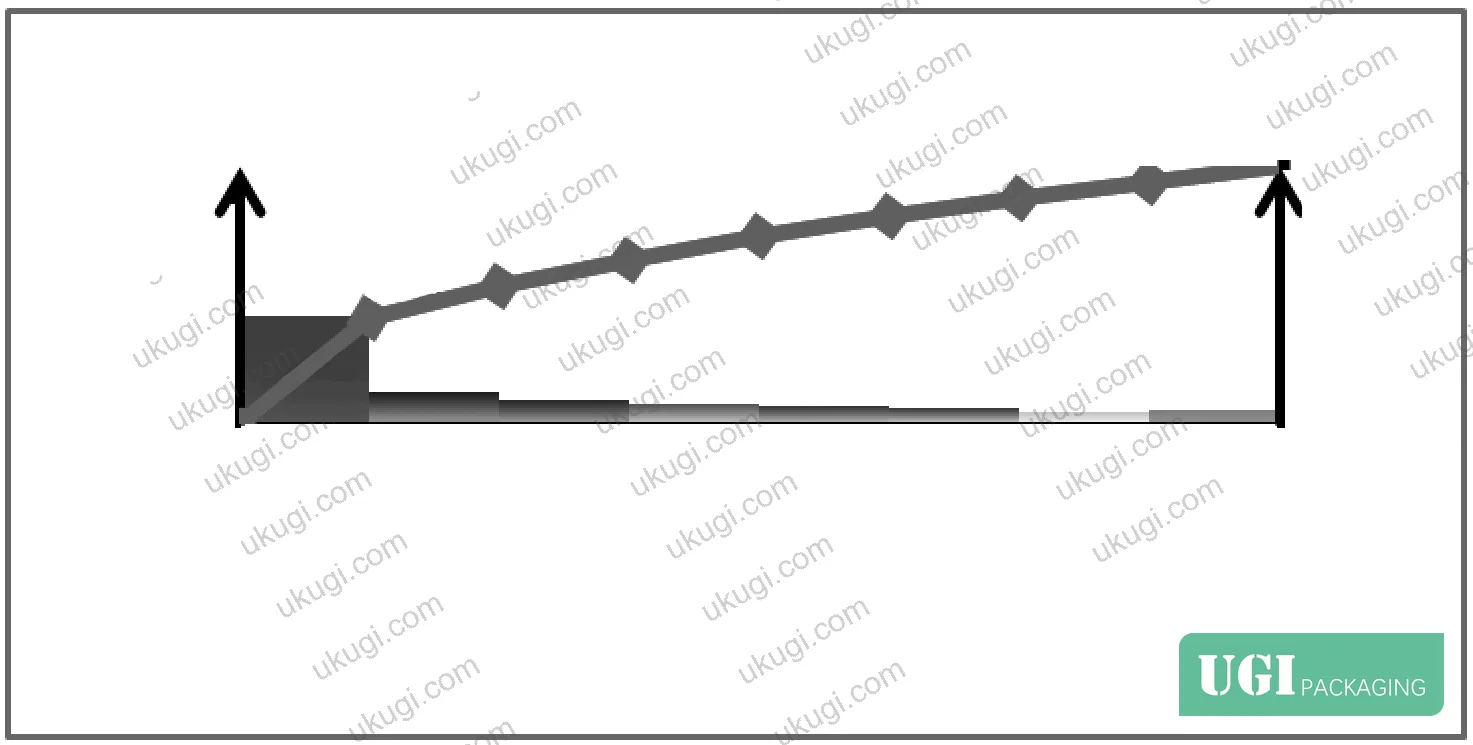
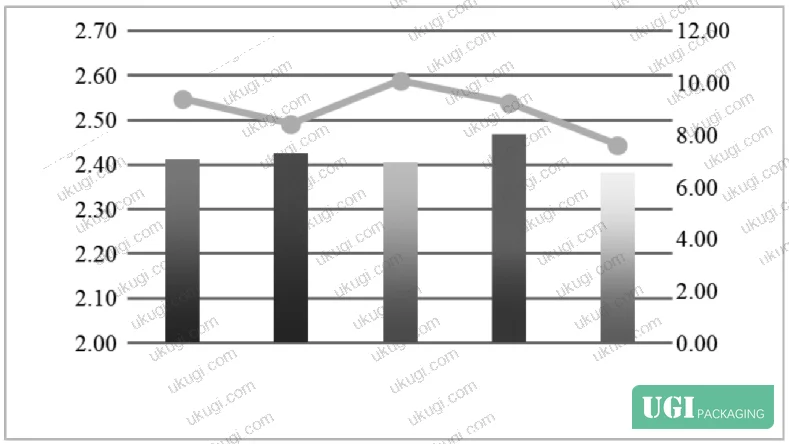
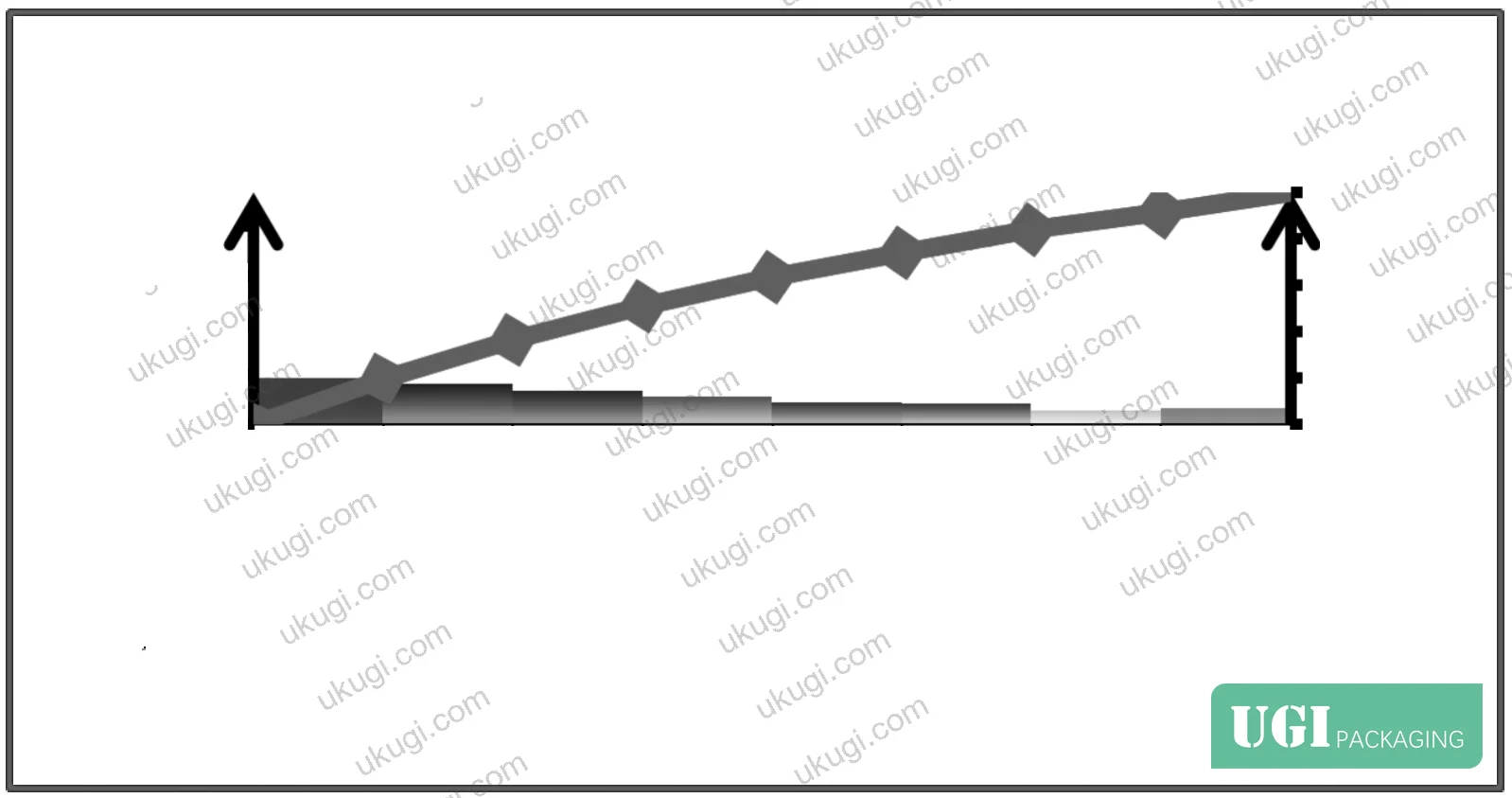
Before modification, empty-pack rejection dominated the rejection category distribution. In a10-day sample of 36,614 rejection events on the worst-performing unit, empty-pack rejection accounted for 40.54% of all rejections — the single largest category by a wide margin. No other category came close as a primary driver.
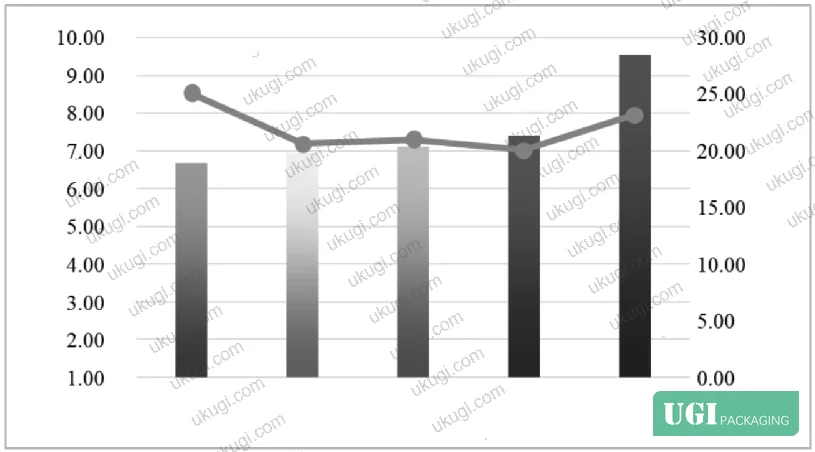
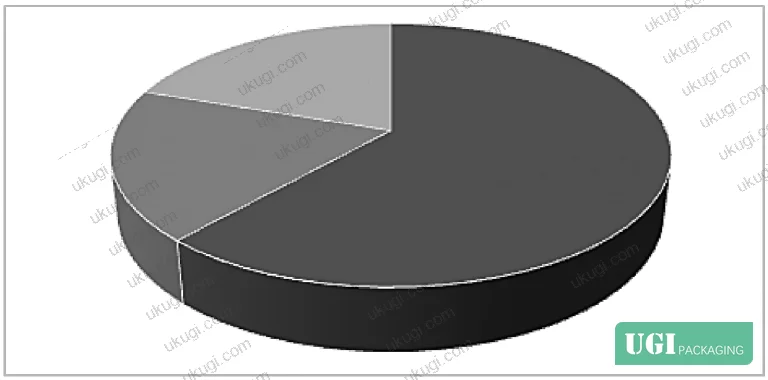
In supplier qualification, we observed that three common approaches to reducing empty-pack rejection — adjusting tobacco moisture, modifying feed pressure, and increasing conveyor speed — all failed to address the actual root cause. The particulate fallout measurements confirmed that 61.62% of all debris originates at the outlet position, not in the tobacco roll or the transport channel (18.58%) or lower channel (19.80%). Treating moisture or pressure as the primary lever is addressing the wrong variable entirely.
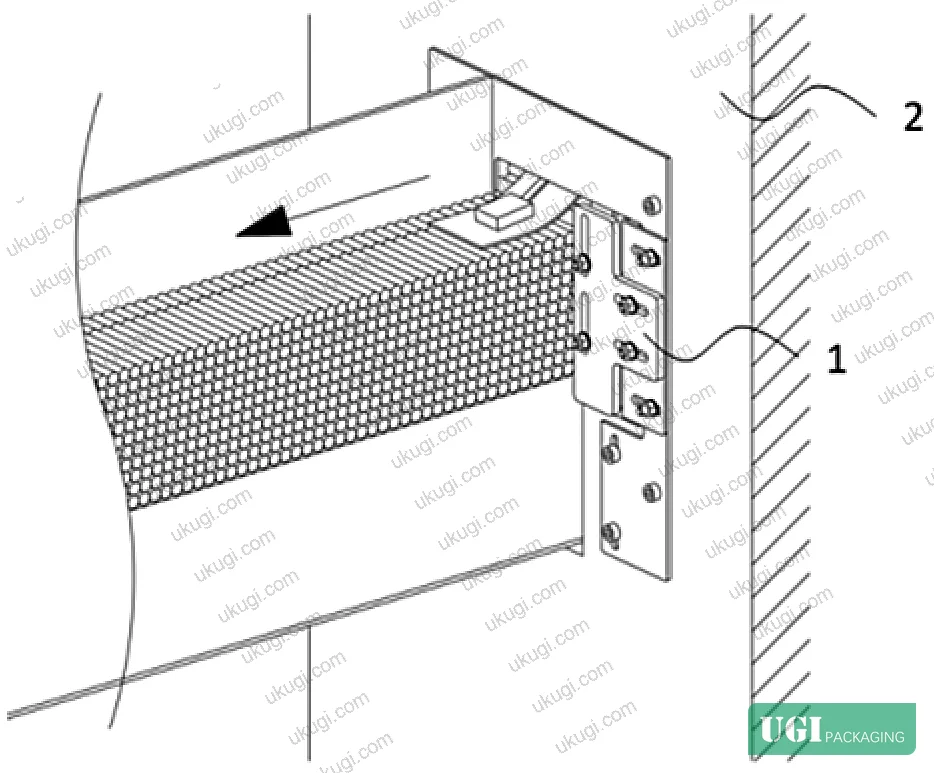
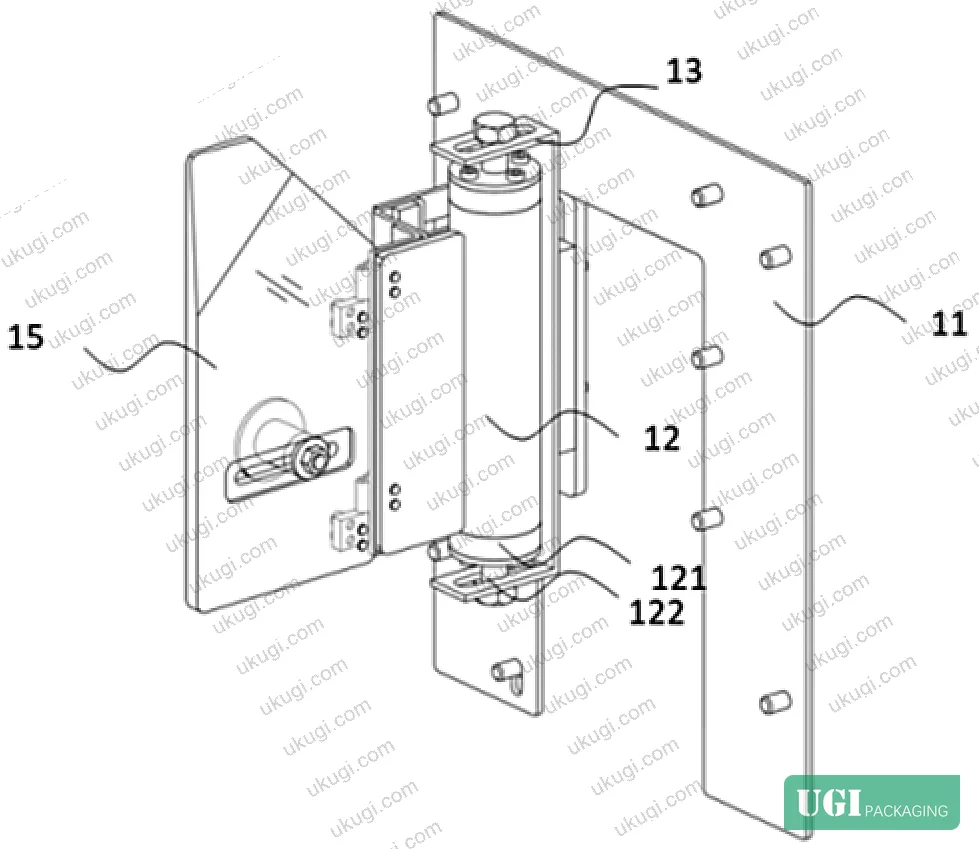
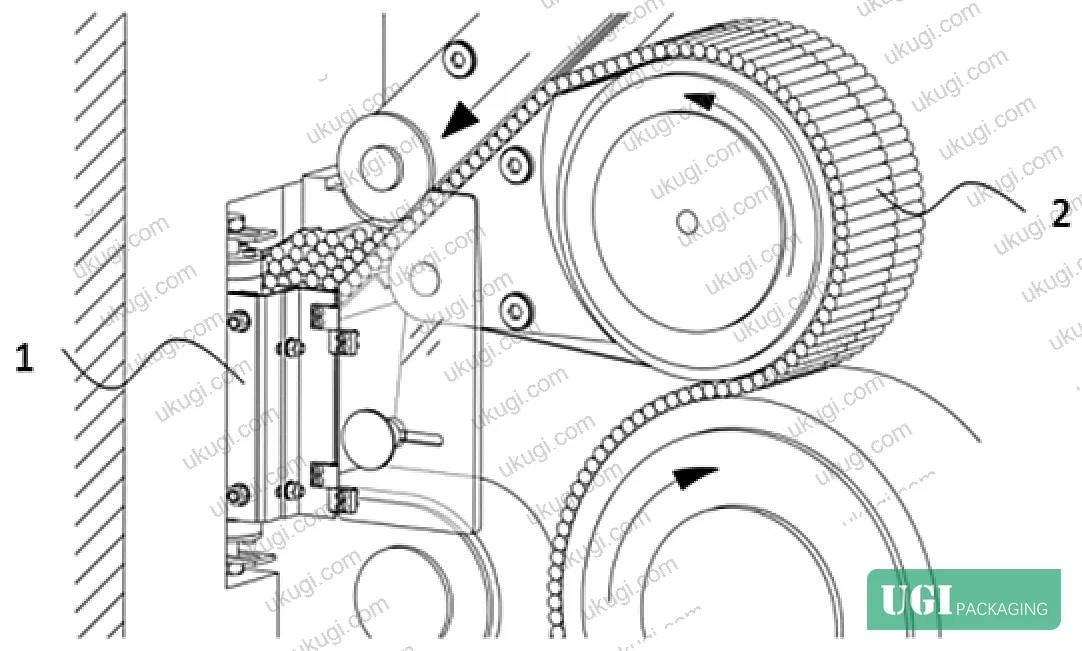
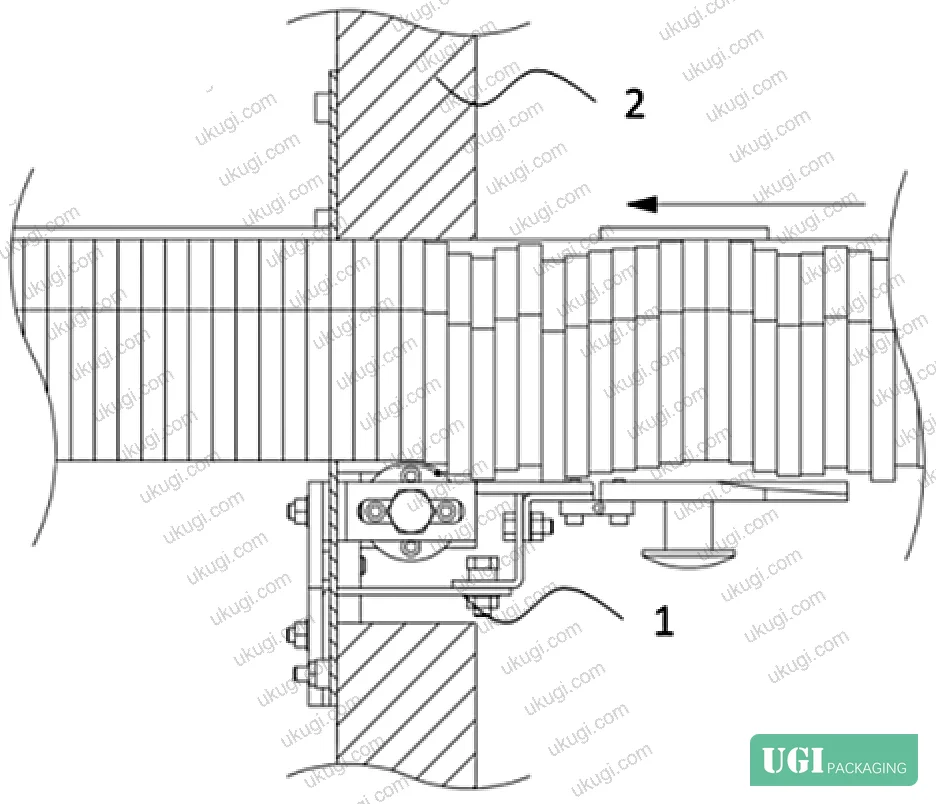
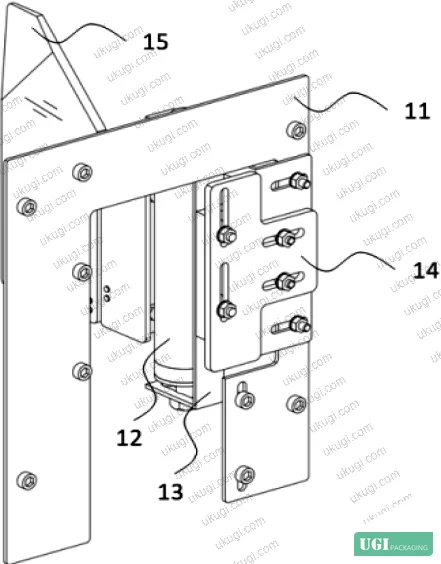
The rolling friction stabilization device developed to address this consists of:
- A 50mm diameter cylindrical roller body with bearing assemblies at both ends
- Mounting bracket in a “U” channel configuration, installed on the outlet fixed plate
- Vertical and horizontal sloted holes in the adjustment plate for position fine-tuning
- A cigarette guide deflector installed on the same side as the roller
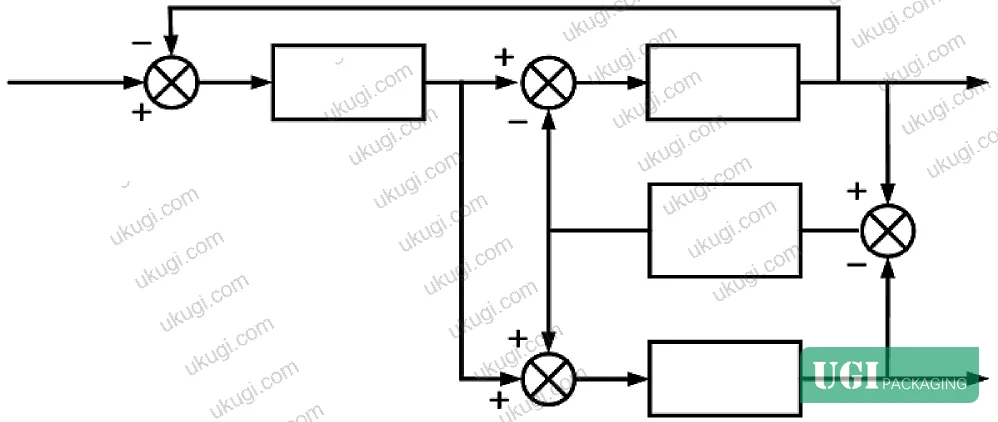
The dual-motor synchronous control scheme uses differential negative feedback: the speed differential between the two drive motors is fed back to each motor’s current reference input, and a PI control strategy is applied to the speed differential. This allows the roller system to automatically track the cigarette machine’s operating speed rather than running at a fixed setpoint — critical for maintaining consistent contact force across different production rates.
Post-modification data on the same unit, measured over 10 days:
- Pack rejection volume: reduced from 14.57 to 7.83 packs/carton — a 46.26% reduction
- Outlet tobacco fallout: reduced from 9.54 to 2.39 g/carton — a 74.95% reduction
- Empty-pack rejection share: reduced from 40.54% to 7.33% — an 81.92% reduction in proportion
Most procurement teams don’t realize that outlet guide contact design has been a known but under-documented variable in high-speed packaging line performance. Current industry practice tends to classify outlet guide wear as a routine maintenance item with replacement intervals based on visual inspection — not on friction coefficient measurement. The data from this evaluation makes a strong argument for specifying maximum μ values in maintenance SOPs and replacing plates based on friction testing, not appearance.
For quality control methodology applied to packaging material output, ISO 15397:2014 Printinginks — Determination of resistance to rubing provides a parallel methodology framework for understanding surface contact and abrasion characterization in packaging contexts.
Practical Guidance for Buyers #
If you are specifying or auditing a high-speed packaging line — cigarette, pharmaceutical, confectionery, or any other format running cylindrical products at speed — the outlet guide contact interface deserves explicit attention in your technical specification document. The friction coefficient at the guide-to-product contact point should be a defined parameter, not an implicit assumption. Request documentation of the guide mechanism type (sliding vs. rolling), the contact surface material specification, and the friction coefficient under operating conditions.
For rejection rate benchmarking, the pre/post data here is useful as a reference frame: a well-designed rolling contact outlet guide should deliver rejection rates below 8packs/carton under normal conditions, with outlet particulate fallout below 2.5 g/carton. If a supplier cannot provide position-specific debris data broken down by collection zone, they are likely tracking aggregate figures only — and aggregate figures mask the outlet as the dominant variable.
For synchronous drive systems, ask specifically about the control scheme. Differential negative feedback with PI correction on the speed differential is the validated approach; simple open-loop speedmatched systems will drift under variable load conditions and degrade contact consistency.
On the packaging material side, surface finish consistency and resistance to mechanical contact stress are directly relevant to rejection performance. At ukugi.com, we operate as Guangzhou-based OEM/ODM manufacturer producing custom packaging across folding cartons, flexible pouches, paper bags, and specialty formats — our team can advise on material and structural specifications that minimize rejection-triggering deformation during high-speed processing. For packaging that requires tight dimensional tolerance and surface integrity under machine contact, request a custom sample from our team →.
Supplier Qualification Questions #
- What is the friction coefficient specification for your outlet guide contact surface, and do you document this as a controlled parameter in your equipment maintenance SOP — with a defined replacement threshold rather than visual inspection criteria?
- Can you provide position-specific tobacco particulate fallout data broken down by outlet, transport channel, and lower channel zones, and what is your measured outlet zone contribution as a percentage of total fallout at 15,000 units/min operating speed?
- What is your current empty-pack rejection proportion as a share of total pack rejections, and can you demonstrate that it is below 10% — compared to the40.54% baseline measured before rolling contact modification?
- For your outlet guide drive system, do you use differential negative feedback synchronous control with PI correction on the speed differential signal, or an alternative synchronization scheme — and what is the measured speed differential under peak load conditions?
- Can you demonstrate that sliding friction at your outlet contact point does not exceed rolling friction by more than 3× — given that unmodified sliding systems have been measured at 5.67× greater initiation force than rolling contact systems operating under identical conditions?
Quality Verification Checklist #
- ☐ Outlet guide mechanism is confirmed as rolling contact design, not fixed sliding plate, with roller diameter≥ 50 mm and bearing assemblies at both ends
- ☐ Friction coefficient at outlet contact surface is documented at μ≤ 0.25 under operating conditions, verified by direct measurement not visual inspection
- ☐ Position-specific debris fallout shows outlet zone contributing≤ 25% of total multi-position fallout (vs. 61.62% baseline for sliding contact designs)
- ☐ Pack rejection rate is ≤ 8.0 packs/carton under standard operating speed, with outlet tobacco fallout ≤ 2.5 g/carton
- ☐ Empty-pack rejection proportion is ≤ 10% of total rejection category distribution (vs. 40.54% pre-modification baseline)
- ☐ Dual-motor drive system uses differential negative feedback control with PI correction, with speed synchronization verified at operating speed range
- ☐ Post-modification rejection data covers≥ 10 days continuous production with sample size ≥ 25,000 rejection events for statistical validity
- ☐ Adjustment plate uses slotted mounting holes (vertical and horizontal) permitting fine position correction without full disassembly
Key Specifications Table #
| Parameter | Recommended Value | Verification Method |
|---|---|---|
| Outlet guide friction coefficient (μ) | ≤ 0.25 | Direct friction measurement under operating conditions; replace at μ > 0.30 |
| Outlet tobacco particulate fallout | ≤ 2.5 g/carton | Position-specific debris collection over 1-hour intervals; 3-repeat average |
| Pack rejection rate | ≤ 8.0 packs/carton | 10-day production monitoring; total rejection count divided by carton output |
| Empty-pack rejection proportion | ≤ 10% of total rejections | Rejection category log analysis; compare to 40.54% sliding-contact baseline |
| Sliding-to-rolling friction ratio | ≤ 3× | Spring-scale initiation force test; rolling avg2.5 N, sliding should not exceed 7.5 N |
| Roller body diameter | 50 mm | Dimensional verification at incoming inspection |
| Dual-motor speed differential | < 5% under peak load | Drive system diagnostic output; PI controller error signal monitoring |
Looking for a manufacturer that meets these specs? Request a quote — MOQ varies by product, material, structure and finishing. Product-specific MOQ is confirmed with each quotation.
References #
Data source: Reduction of Empty-Pack Rejection in High-Speed Cigarette Wrapping Equipment Through Rolling Friction Outlet Guide Modification, H.-R. Lin et al., Journal of Manufacturing Processes, 2023
Frequently Asked Questions #
What causes the outlet zone to account for such a disproportionate share (61.62%) of tobacco particulate fallout compared to other positions?
The outlet is where the cigarette tip transitions from the machine’s rolling mechanism to a fixed guide surface at high linear velocity. At 15,000 units/min, the relative sliding velocity between the fixed plate and the rotating/advancing cigarette tip generates significant shear force — enough to dislodge packed tobacco from the tip end. The transport channel and lower channel involve gentler contact geometries and lower relative velocity, which is why their fallout contributions (18.58% and 19.80% respectively) are substantially lower.
Is the5.67× friction differential between sliding and rolling contact consistent across different operating speeds, or is it speed-dependent?
The 5.67× ratio was measured under controlled quasi-static conditions as an initiation force measurement — the minimum force required to begin motion. In dynamic conditions at operating speed, the differential may vary somewhat, but the fundamental physics does not change: rolling replaces destructive shear with a rotation-accommodating contact, so the multiplier remains directionally correct across the operating range. The differential negative feedback PI control ensures that the roller tracks machine speed automatically, keeping the contact force consistent.
Can the rolling friction stabilization device be retrofitted to machine types other than the GD model, and what are the limiting constraints?
The design uses slotted mounting holes and an adjustable plate that accommodates different outlet widths based on cigarette format. The principle — replacing fixed sliding plates with bearing-mounted rollers — is mechanically universal. The primary constraint is the available installation space at the outlet and the compatibility of the mounting fixed plate dimensions. The evaluation confirmed the concept is transferable to multiple cigarette machine models.
How should buyers interpret pack rejection rate data when comparing suppliers or evaluating equipment — what context is needed to make the numbers meaningful?
Aggregate rejection rate figures are frequently misleading without category breakdown. A supplier reporting 8packs/carton total rejection with 40% attributable to empty-pack issues has a fundamentally different problem profile than one reporting the same total with empty-pack at 7%. Always request the rejection category pareto — the distribution across rejection types tells you whether the dominant issue is addressable through contact interface modification or whether it originates elsewhere. For custom paper boxes or high-speed flexible packaging lines, the same category-breakdown discipline applies when auditing production rejection data.
What is the minimum sample size needed to validate that a rolling contact modification has achieved its target rejection reduction?
Based on the evaluation protocol used here, 10 days of continuous production data capturing at least 25,000 rejection events provides adequate statistical power to confirm the reduction in empty-pack rejection proportion. Single-day or single-shift measurements are not sufficient — rejection rates show intra-day variability that requires multi-day averaging to confirm a genuine trend versus normal process noise. For custom labels and stickers and other format-specific packaging assessments, the same principle applies: multi-day sampling windows outperform spot-check verification.
For additional context on packaging line performance standards and quality verification methodologies, ISO 22000:2018 Food safety management systems for food packaging provides a relevant framework for systematic production quality management applicable across high-speed packaging operations.
Published by ukugi.com Technical Team | Request a quote


