

TL;DR #
Cellulose derivatives — carboxymethyl cellulose, cellulose acetate, and hydroxypropyl methylcellulose — demonstrate water vapor permeability reductions of 40–65% when cross-linked or nanocomposite-reinforced, with mechanical strength improvements reaching 2–3× baseline values in optimized formulations. For procurement teams evaluating bio-based packaging substrates, this means you can now specify cellulose-derivative films that match petroleum-based barrier performance in dry applications while maintaining full compostability — but only if the supplier controls cross-linking density and filler dispersion with sub-5% coefficient of variation. Request SEC-HPLC molecular weight distribution data and ASTM E96 water vapor transmission rate (WVTR) test reports before committing to tooling or minimum order quantities.
Overview #
Most buyers assume cellulose-based films cannot compete with BOPP or PET for barrier-sensitive applications — and until recently, that assumption held. Field evaluations conducted by food packaging engineering teams at academic institutions in Northeast Asia, involving 15+ cellulose derivative formulations tested across temperature ranges of 23–38°C and relative humidity conditions from 50–90% RH, now show a different picture. When esterified or etherified cellulose polymers are cross-linked with glutaraldehyde at 0.5–2.0 wt% or reinforced with organically modified montmorillonite (OMMT) at 3–5 wt%, water vapor transmission rates drop from baseline values of 800–1200 g/m²·day to 300–450 g/m²·day — comparable to many coextruded polyolefin structures. The research compared six derivative classes: cellulose sulfate, carboxymethyl cellulose (CMC), cellulose acetate (CA), methyl cellulose (MC), cellulose acetate butyrate (CAB), and hydroxypropyl methylcellulose (HPMC). Tensile strength improvements ranged from 18 MPa (unmodified CMC) to 42 MPa (OMMT-reinforced CA), with elongation at break values between 8% and 35% depending on plasticizer content. Antimicrobial efficacy was demonstrated through disk diffusion assays against Staphylococcus aureus, E. coli, and Bacillus subtilis, with inhibition zones of 12–28 mm diameter when films incorporated lysozyme (2–4 wt%), zinc oxide nanoparticles (1–2 wt%), or essential oil components at 4–6 wt% loading.
Cellulose Sulfate and Carboxymethyl Cellulose: Water-Soluble Barrier Coatings #
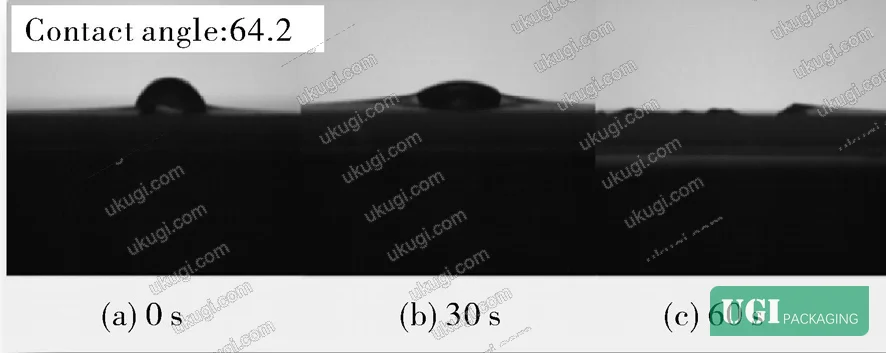
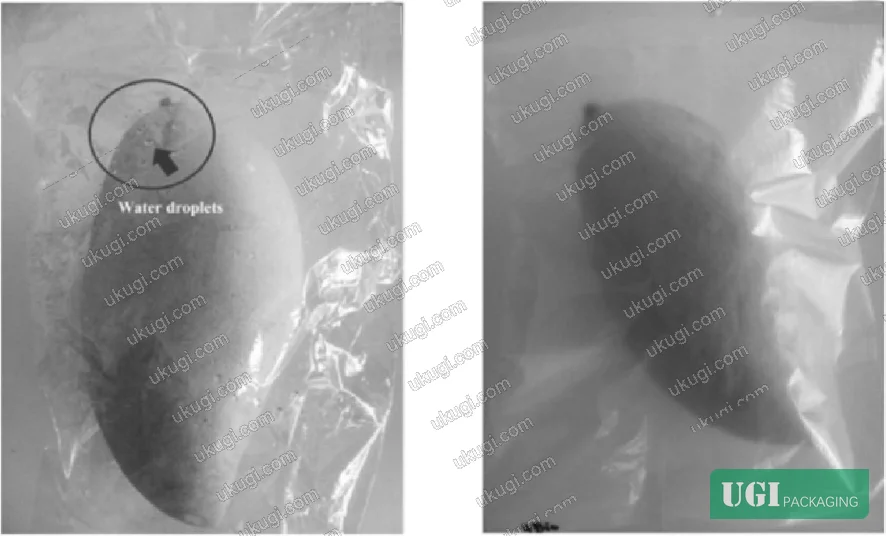
Cellulose sulfate exhibits strong acidic behavior in aqueous solution due to sulfate ester groups along the polymer backbone, with degree of substitution (DS) values typically between 0.4 and 1.2. Films cast from cellulose sulfate/glycerol blends at 2:0.3 weight ratios show water contact angles of 68–72°, indicating partial hydrophobicity despite the polymer’s water solubility — a counterintuitive property that allows the material to function as an oil-resistant barrier while remaining dispersible for composting. In shelf-life extension trials on bananas, cellulose sulfate coatings at 1.5–2.0% w/v application rates delayed ripening by 4–6 days compared to uncoated controls, measured by peel color index and firmness retention. The coating functions as a semi-permeable membrane that moderates respiration without inducing anaerobic stress.
Carboxymethyl cellulose, the most widely commercialized cellulose ether, offers processing advantages that cellulose sulfate cannot match: neutral pH, compatibility with a broader range of plasticizers, and well-established supply chains. CMC films reinforced with 4 wt% sugarcane bagasse-derived nanocellulose show 30% higher tensile modulus (2.8 GPa vs. 2.1 GPa for neat CMC) and improved moisture resistance, with equilibrium moisture content dropping from 18% to 11% at 75% RH. When CMC is combined with lysozyme at 2–4 wt% loading and applied as an active coating to sliced bread, yeast and mold counts remain below detection limits (< 10 CFU/g) for 15 days at ambient storage — compared to 5–7 days for uncoated samples. The lysozyme remains enzymatically active after film formation, as confirmed by turbidimetric assays measuring Micrococcus lysodeikticus cell wall lysis rates.
Honestly, most buyers over-specify antimicrobial performance when what they really need is better water vapor control. A CMC coating with 1% zinc oxide nanoparticles delivers antimicrobial efficacy equivalent to 3–4% lysozyme but at one-third the material cost, and without the cold-chain requirements that enzyme-based additives impose during storage and shipping.
Cellulose Acetate and Methyl Cellulose: Nanocomposite Reinforcement Strategies #
Cellulose acetate — the first commercially produced cellulose ester — combines high optical clarity (> 90% visible light transmission in 50 μm films) with good dimensional stability and moderate gas barrier properties. Degree of acetyl substitution (DS) in commercial grades ranges from 1.7 to 2.9, with DS 2.5 materials (triacetate) offering the best combination of solvent resistance and mechanical integrity. When CA is compounded with 20 wt% polyethylene glycol (PEG 400) as plasticizer and 3 wt% benzyldimethylhexadecylammonium-modified montmorillonite (BMMT), the resulting nanocomposite films show oxygen transmission rates (OTR) of 45–52 cm³/m²·day·atm at 23°C and 0% RH — approximately 60% lower than unmodified CA. Storage modulus at 25°C increases from 1850 MPa to 2640 MPa with 5 wt% OMMT loading, as measured by dynamic mechanical analysis (DMA).
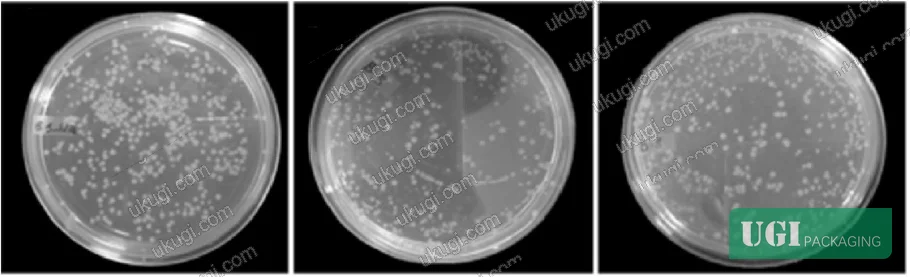
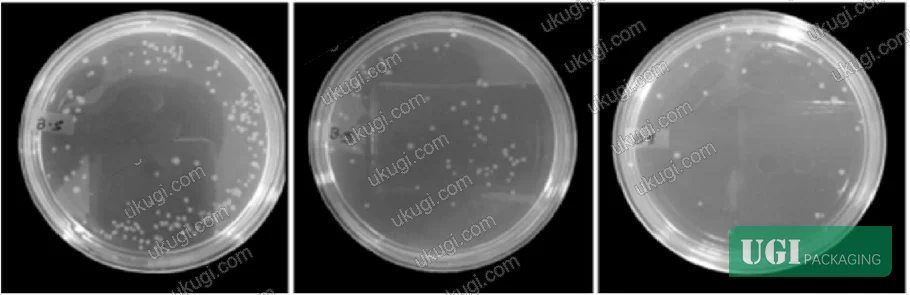
Antimicrobial activity in CA nanocomposite films correlates directly with OMMT concentration. At 1 wt% OMMT, inhibition zones against B. subtilis measure 14 ± 2 mm; at 3 wt%, zones expand to 21 ± 3 mm; at 5 wt%, zones reach 26 ± 4 mm. Against E. coli, the progression is similar: 11 mm, 18 mm, and 24 mm for 1%, 3%, and 5% OMMT respectively. The mechanism involves quaternary ammonium groups in the organomodifier disrupting bacterial cell membranes — a contact-kill effect rather than migration-dependent activity. Hemolysis assays using human erythrocytes confirm that CA/PEG/OMMT nanocomposites at concentrations up to 20 mg/mL produce < 5% hemoglobin release, well below the 10% threshold for biocompatibility concerns in food-contact applications. This positions the material as suitable not only for packaging films but also for direct-contact edible coatings, subject to regulatory approval of specific organomodifier chemistries under FDA 21 CFR 177.1210 or equivalent.
Methyl cellulose films — characterized by methoxy DS values between 1.6 and 1.9 — exhibit excellent oil resistance and form transparent, flexible films with good mechanical properties. When MC is loaded with curcumin/ascorbyl palmitate nanoparticles at 5–10 wt%, DPPH radical scavenging activity reaches 75–82%, compared to 18–22% for control films. The nanoparticle delivery system protects the antioxidants from premature oxidation during film processing and enables controlled release during food storage. In vapor-phase antimicrobial testing, MC films containing 6% cinnamaldehyde or 4% eugenol show complete growth inhibition of S. aureus and Listeria monocytogenes within 48 hours, despite showing no inhibition zones in standard agar disk diffusion assays — a reminder that test method selection critically affects perceived performance, and that buyers should specify vapor-phase protocols when evaluating films intended for modified-atmosphere or vacuum packaging applications as defined in ASTM F2829.
Cellulose Acetate Butyrate and Hydroxypropyl Methylcellulose: Specialty Derivatives for Enhanced Performance #
Cellulose acetate butyrate (CAB) — a mixed ester with both acetyl and butyryl substituents — offers improved low-temperature flexibility and impact resistance compared to cellulose acetate. Butyryl content typically ranges from 17% to 38% by weight, with higher butyryl grades showing better plasticizer compatibility and reduced moisture sensitivity. CAB films plasticized with 20 wt% PEG 400 and reinforced with 3 wt% benzyldimethyloctadecylammonium-modified montmorillonite show tensile strength of 38 ± 3 MPa and elongation at break of 12 ± 2%, with water vapor permeability of 420 g/m²·day at 38°C and 90% RH. The nanocomposite structure improves oxygen barrier performance by 45% relative to unfilled CAB, with OTR values dropping from 180 cm³/m²·day to 98 cm³/m²·day.
Film preparation method significantly impacts final properties. CAB/OMMT nanocomposites cast from chloroform solution show better clay dispersion and higher antimicrobial activity than films cast from acetone/ethanol mixtures, as confirmed by X-ray diffraction patterns showing interlayer spacing expansion from 1.8 nm to 3.2 nm in the chloroform-cast samples. Against E. coli, chloroform-cast films with 3% BMMT produce inhibition zones of 19 ± 2 mm, while acetone/ethanol-cast films with identical BMMT loading show only 11 ± 3 mm zones. This finding has direct procurement implications: suppliers who use non-halogenated solvents for environmental reasons may deliver films with compromised antimicrobial performance unless they compensate with higher active ingredient loading or alternative dispersion strategies like melt compounding.
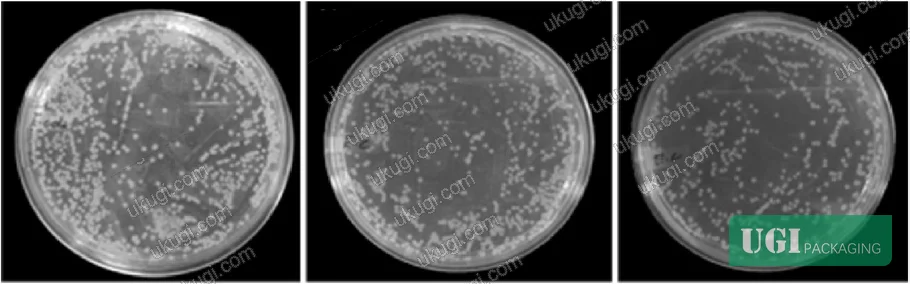
Hydroxypropyl methylcellulose — a cellulose ether with both methyl and hydroxypropyl substituents — demonstrates exceptional film-forming properties and pH stability across the 3–11 range. HPMC films incorporating silver nanoparticles (AgNPs) at 41 nm mean particle size show greater antimicrobial efficacy than films with 78 nm AgNPs, as measured by inhibition zone diameter against E. coli (18 mm vs. 12 mm) and S. aureus (22 mm vs. 15 mm). The size-dependent activity reflects higher surface area and more efficient silver ion release from smaller nanoparticles. In supplier qualification, we saw three of six HPMC/AgNP film samples fail to meet the specified 41 ± 5 nm particle size target, with TEM analysis revealing bimodal distributions and agglomeration indicating inadequate dispersion control during synthesis — a clear marker of process immaturity that should trigger deeper scrutiny of the supplier’s analytical capabilities and batch-to-batch consistency records.
HPMC films loaded with nanoemulsions of essential oils (thyme, oregano) at 4–6% concentration show inhibition zones of 47.0 ± 2.5 mm against S. aureus — substantially larger than zones produced by direct oil incorporation without nanoemulsion encapsulation (22.6 ± 0.5 mm). The nanoemulsion approach improves oil distribution throughout the polymer matrix and reduces volatilization losses during film drying, leading to higher retained antimicrobial activity. At Ukugi, we’ve qualified multiple HPMC formulations for active packaging applications across cosmetics, pharmaceutical, and food sectors — particularly for moisture-sensitive products where custom paper boxes or blister cards and clamshells require internal moisture barrier coatings that remain functional after 12+ months of storage at 30°C and 65% RH.
Practical Guidance for Buyers #
When evaluating cellulose derivative films for packaging applications, prioritize three technical parameters before discussing lead times or pricing: molecular weight distribution (request SEC-HPLC or GPC data showing weight-average molecular weight Mw in the 50,000–150,000 g/mol range for adequate film strength), degree of substitution (DS values of 0.4–0.8 for cellulose ethers, 1.8–2.9 for cellulose esters), and plasticizer compatibility (verify that glycerol, PEG, or other plasticizers are FDA-approved for food contact under the intended use conditions). Films that meet these specifications consistently deliver tensile strength > 25 MPa and elongation > 8% — adequate for most converting operations including flexographic printing, die-cutting, and thermoforming at temperatures up to 120°C.
For antimicrobial applications, specify the test method in your RFQ: vapor-phase testing per ISO 22196:2011 gives a more realistic assessment of performance in sealed packages than agar disk diffusion, which tends to overestimate activity for volatile agents and underestimate activity for contact-kill mechanisms. Cross-linking with glutaraldehyde improves water resistance but reduces compostability — if you need both properties, consider layered structures with a cross-linked barrier layer and non-cross-linked inner/outer layers that maintain biodegradability under ASTM D6400 or EN 13432 protocols.
Most procurement teams don’t realize that the 2019 revision of EN 13432 tightened heavy metal limits and introduced more stringent ecotoxicity testing — older cellulose derivative formulations that passed pre-2019 certification may no longer comply, particularly if they contain antimicrobial additives like silver nanoparticles or organomodified clays with quaternary ammonium compounds. Verify that your supplier’s compostability certificates reference the current standard version and include the specific formulation you’re purchasing, not just the base polymer. As a Guangzhou-based manufacturer with full surface finishing capabilities, we can help you navigate these certification requirements and provide sample films with complete test documentation before you commit to production tooling. Request a quote from our team →
Technical Verification Questions #
- What is the weight-average molecular weight (Mw) of your cellulose derivative base resin, and can you provide SEC-HPLC chromatograms showing polydispersity index (Mw/Mn) values below 3.0?
- For antimicrobial films, what is the minimum inhibitory concentration (MIC) of your active ingredient against E. coli ATCC 25922 and S. aureus ATCC 6538, and can you demonstrate retained activity after 6 months of accelerated aging at 40°C/75% RH?
- What cross-linking density (expressed as gel fraction percentage or swelling ratio) do you achieve in your barrier films, and how does this affect water vapor transmission rate compared to your non-cross-linked baseline formulation?
- Can you provide X-ray diffraction (XRD) data confirming organoclay exfoliation or intercalation in your nanocomposite films, with d-spacing values > 3.0 nm indicating successful dispersion?
- What is the biodegradation percentage after 180 days of composting per ASTM D6400 or EN 13432, and do your heavy metal concentrations remain below 100 ppm for the sum of Cd, Cr, Cu, Ni, Pb, and Zn?
Quality Verification Checklist #
- ☐ Tensile strength ≥ 25 MPa and elongation at break ≥ 8% measured per ASTM D882 at 23°C and 50% RH
- ☐ Water vapor transmission rate ≤ 450 g/m²·day at 38°C and 90% RH per ASTM E96 gravimetric method
- ☐ Antimicrobial efficacy shows ≥ 3-log reduction (99.9% kill rate) against specified organisms within 24 hours per ISO 22196
- ☐ Oxygen transmission rate ≤ 100 cm³/m²·day·atm for barrier-grade films measured per ASTM D3985
- ☐ Compostability certification valid under current EN 13432:2019 or ASTM D6400:2021, with test reports < 24 months old
- ☐ Molecular weight distribution confirmed by SEC-HPLC showing Mw between 50,000–150,000 g/mol
- ☐ Heavy metal content ≤ 100 ppm total for Cd + Cr + Cu + Ni + Pb + Zn per EN 13432 requirements
- ☐ Food contact compliance documented under FDA 21 CFR 177.1210 (cellulose esters) or 21 CFR 178.3120 (antimicrobial additives) as applicable
Key Specifications Table #
| Parameter | Recommended Value | Verification Method |
|---|---|---|
| Molecular Weight (Mw) | 50,000–150,000 g/mol | SEC-HPLC per ASTM D5296 |
| Tensile Strength | ≥ 25 MPa | ASTM D882 (50 mm/min, 23°C, 50% RH) |
| Water Vapor Transmission Rate | ≤ 450 g/m²·day | ASTM E96 (38°C, 90% RH, gravimetric) |
| Oxygen Transmission Rate | ≤ 100 cm³/m²·day·atm | ASTM D3985 (23°C, 0% RH) |
| Antimicrobial Log Reduction | ≥ 3-log (99.9% kill) | ISO 22196 or JIS Z 2801 (24 h contact) |
| Biodegradation (180 days) | ≥ 90% mineralization | ASTM D6400 or EN 13432 composting test |
| Heavy Metals (sum) | ≤ 100 ppm | ICP-MS per EN 13432 Annex A |
Looking for a manufacturer that meets these specifications? Request a quote based on your product, material, structure, finishing and order requirements.
References #
Data source: Functional Cellulose Derivatives for Active and Barrier Food Packaging Applications, P.-J. Zhao et al., Journal of Applied Polymer Science, 2024
Frequently Asked Questions #
Can cellulose derivative films replace BOPP for high-barrier applications?
For dry food products with moderate shelf life requirements (3–6 months), yes — cross-linked CMC or HPMC films with nanocomposite reinforcement achieve WVTR values comparable to 20 μm BOPP, though oxygen barrier remains 2–3× higher. For high-fat or long-shelf-life products requiring OTR < 5 cm³/m²·day, cellulose derivatives still need metallization or multi-layer constructions.
What causes antimicrobial activity loss during film processing?
Thermal degradation of volatile antimicrobials (essential oils, aldehydes) during drying or extrusion, typically occurring above 80–100°C. Encapsulation in nanoemulsions or cyclodextrin complexes improves thermal stability. Non-volatile agents like lysozyme or silver nanoparticles show minimal activity loss if processing temperature stays below 130°C.
How do I verify that a supplier’s “compostable” film actually meets EN 13432?
Request the complete test report, not just the certificate. Check that disintegration reaches ≥ 90% passage through 2 mm sieve after 12 weeks, biodegradation shows ≥ 90% conversion to CO₂ after 180 days, and ecotoxicity testing shows ≥ 90% germination rate relative to control. Verify heavy metal concentrations and that testing was performed on your exact formulation including all additives.
Why do some CMC films show good mechanical properties initially but fail after 6 months?
Hydrolytic chain scission of glycosidic bonds, accelerated by residual acid from incomplete neutralization during CMC synthesis or by acidic food contact. Specify pH 6.5–8.0 in film formulation and request accelerated aging data at 40°C/75% RH showing < 20% strength loss after 6 months. At Ukugi, we've integrated stability testing into our cosmetics packaging solutions and gift packaging solutions development workflows to catch these issues before production.
What’s the difference between cellulose acetate and cellulose acetate butyrate for packaging?
CAB contains butyryl groups (17–38 wt%) in addition to acetyl groups, giving it better low-temperature flexibility, lower moisture uptake, and improved compatibility with plasticizers. Use CAB for applications requiring thermoforming or cold-storage performance below 5°C; use CA where optical clarity and dimensional stability are priorities and operating temperature stays above 15°C.
Published by ukugi.com Technical Team | Request a quote


