

Book-Style Chocolate Gift Boxes: Structure, Inserts and Food-Contact Boundaries
A book-style chocolate box uses a hinged cover and spine around a tray, platform or insert. The buyer must specify chocolate count, individual wrap or cup, cavity size, product weight, box orientation, opening angle, closure, odor sensitivity and distribution conditions before selecting finishes.
UGI Packaging manufactures book-style rigid boxes in our factory through printing, board cutting, wrapping, forming, magnet or ribbon assembly, insert production and QC. Compare the general book-style rigid-box structure with our food gift-box guidance when defining product-contact boundaries.
Design the spine, tray and closure as one system
The spine must allow the cover to open without pulling the tray, cracking the wrap or changing magnet alignment. Define whether the lid lies flat, remains partly open or stops at a presentation angle. Tray depth and insert pressure affect the hinge and closure.
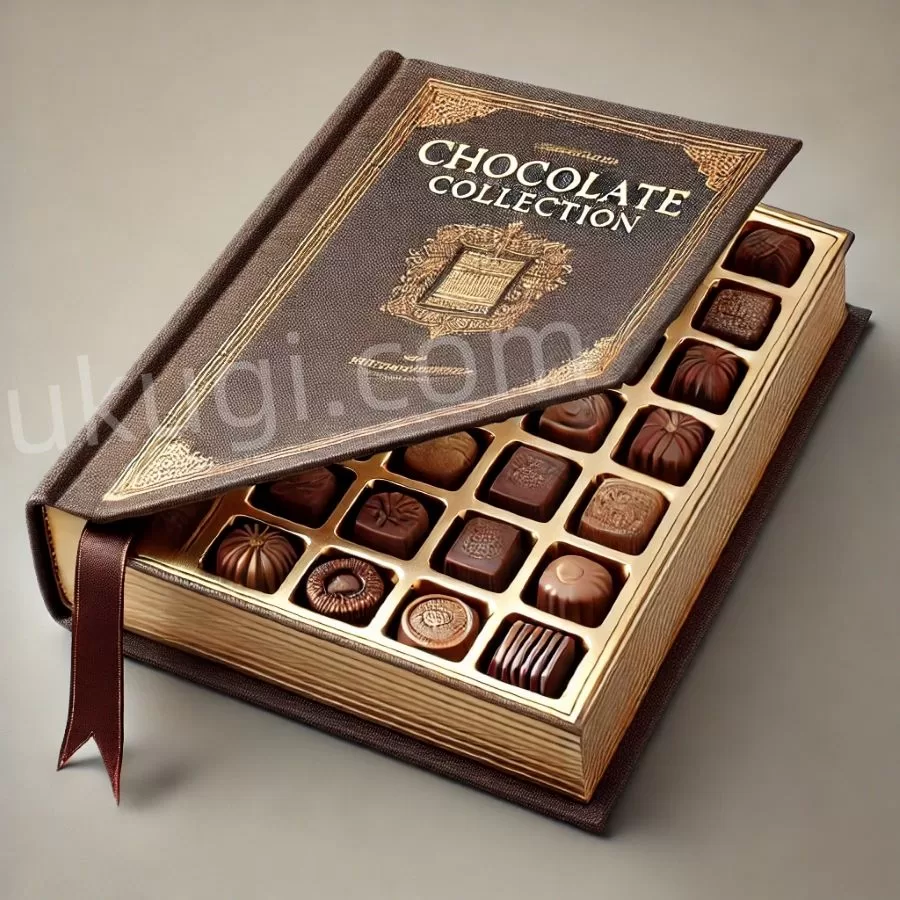
Chocolate cavities should be based on the actual pieces, cups or individual wrappers. Allow for product tolerances, removal access and any separator sheet. A decorative insert is not automatically suitable for direct food contact.
- Chocolate count and piece dimensions
- Individual wrap, cup or direct-contact condition
- Tray and cavity geometry
- Book case, spine and opening angle
- Magnet, ribbon or tab closure
- Odor and grease sensitivity
- Artwork and finish near folds
- Outer shipper and packing orientation
Separate direct-contact evidence from the gift box
If chocolate directly contacts a cup, tray, film, coating, ink or adhesive, the exact material and intended conditions require appropriate evidence for the destination market. The FDA food-contact substances resource describes the U.S. regulatory framework; it does not certify a finished UGI Packaging box.
For many projects, the rigid book box is secondary packaging around individually wrapped chocolates. Record that boundary in the approved bill of materials so retail presentation claims do not become unsupported food-contact claims.
Approve product fit, odor and distribution
Use production-intent chocolates or dimensionally controlled samples to check cavity fit, removal, lid clearance, product movement, odor transfer and grease effects. Approve the printed wrap, foil, embossing and dark colors for rub and cracking at the spine.
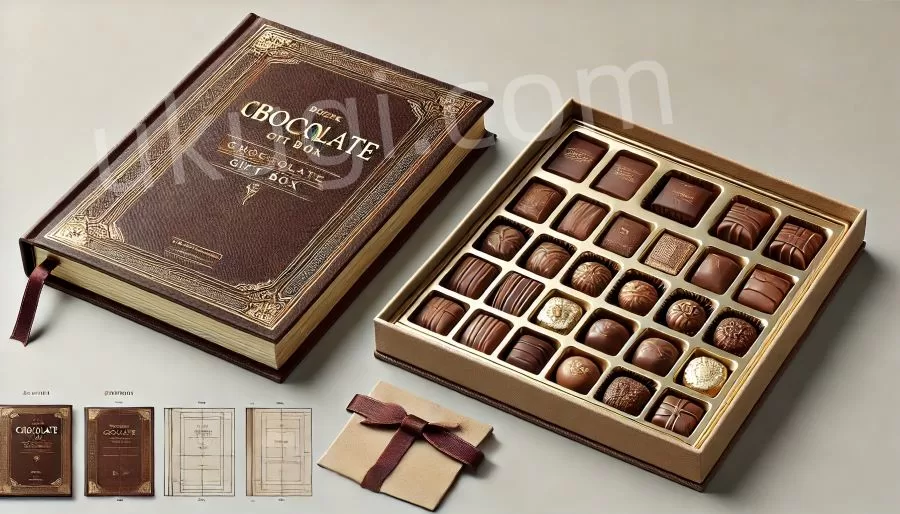
Our factory manufactures the case, tray and approved insert, assembles the closure and inspects the finished set. Production begins after structure, materials, artwork, contact boundary, loaded sample and packing are released.
QC and failure prevention
Our QC team checks dimensions, spine and hinge, closure alignment, tray seating, cavity count, insert cleanliness, print and finish, surface condition and packing. Common failures include odor transfer, cavities that grip too tightly, crushed pieces, wrap cracking and a magnet closure held open by an overfilled tray.
Frequently asked questions
Is the rigid gift box itself direct food-contact packaging?
Not necessarily. Many projects place individually wrapped chocolates inside a secondary presentation box; define every contact layer.
What controls the spine width?
Board, tray depth, opening angle, wrap material and the required hinge clearance all affect spine design.
Should real chocolates be used for sampling?
Use real or controlled representative pieces to approve cavity fit, removal, movement, odor and grease conditions.
When does production begin?
After structure, materials, artwork, contact boundary, loaded sample, quantity and packing are approved.