

TL;DR #
Under the most aggressive migration conditions tested (4% acetic acid, 100°C, 2 hours), PET packaging extracts triggered a positive Ames result in the TA1535 bacterial strain without metabolic activation, with mutant colony counts exceeding twice the solvent control at all four dilution levels and a Pearson correlation coefficient of 0.934 (p < 0.05). For procurement teams specifying food-contact or regulated-contact packaging materials, this means PET's genotoxic signal under worst-case conditions is not hypothetical — it is reproducible and dose-dependent. If your application involves hot-fill, acidic contents, or any scenario approaching the 100°C threshold, qualify your material against the full five-strain Ames panel before committing to PET, and seriously evaluate HDPE, PP, PPSU, or Tritan as lower-risk alternatives.
Overview #
The practical question here is not whether plastics migrate — they all do — but whether those migrants carry genotoxic risk at realistic use concentrations. That question is harder to answer than most procurement teams assume, and the answer varies sharply by resin type.
The data discussed in this article comes from controlled migration studies conducted at a university-affiliated public health research laboratory with access to certified analytical instrumentation — including GC-MS and FTIR — and validated Ames test strains sourced from accredited commercial suppliers. Five resin types were evaluated across five bacterial tester strains (TA97, TA98, TA100, TA102, and TA1535), both with and without metabolic activation (±S9), at four concentration levels: 0×, 3×, 30×, and 300× concentration of the migration extract. Migration conditions were set according to the most severe intended-use scenario for each material, following the Chinese national food contact materials migration standard GB 31604.1-2015.
The five materials tested — HDPE, PP, PET, PPSU, and Tritan — represent the dominant plastics in food and beverage contact applications globally. Four of them came back clean. One did not.
Genotoxicity Results Across Five Plastic Packaging Resins #
The headline finding is straightforward: HDPE, PP, PPSU, and Tritan all returned negative Ames results across all five strains, both ±S9, at every concentration tested from 0× to 300× concentrate. Mutant colony counts in these four materials tracked closely with solvent controls throughout. The positive control mutagens produced colony counts far exceeding spontaneous controls in every run — confirming the test system was functioning correctly.
PET behaved differently from the start. At the concentrated extract level, PET migration fluid did not produce a mutagenic signal — it killed the bacteria before they could respond. Colony counts dropped precipitously at 30× concentration: TA97 (-S9) fell from ~115 colonies (spontaneous control) to 37 at 30× and just 4 at 300×. TA102 dropped from ~256 at baseline to 185 at 30× and 14 at 300×. This is frank cytotoxicity, not a negative result. It masked any underlying mutagenic activity and required a separate dilution series to resolve.
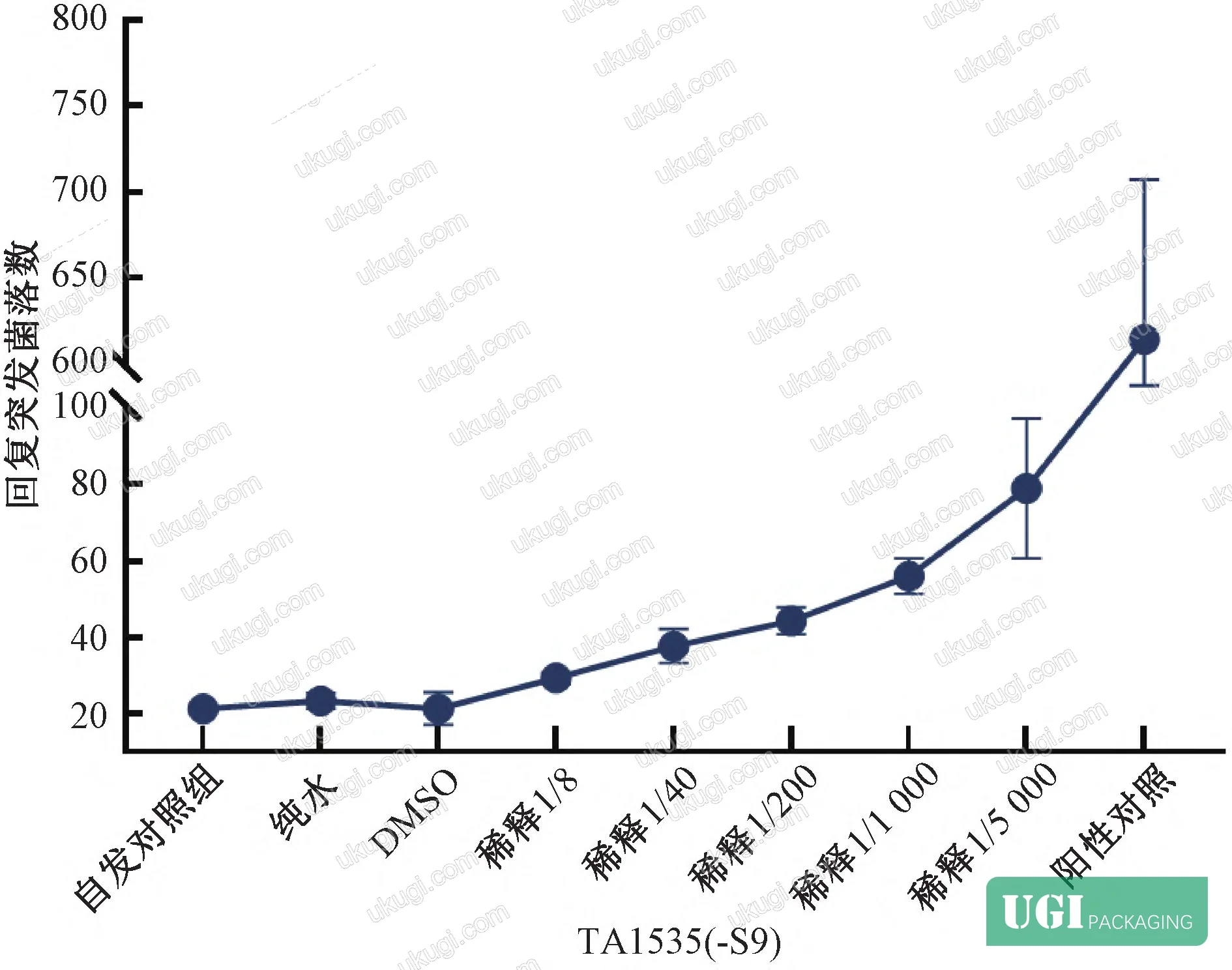
When PET extract was diluted to 1/40, 1/200, 1/1,000, and 1/5,000 of the original concentration, the picture changed. For the TA1535 strain without metabolic activation (-S9), mutant colony counts at every dilution level exceeded twice the solvent control — the standard threshold for a positive Ames call under GB 15193.4-2014. The Pearson correlation between dilution factor and colony count was 0.934 (p < 0.05), confirming a clean dose-response relationship. The test was repeated with identical results.
Comparative Ames Results — Five Plastics Under Worst-Case Migration Conditions
| Material | Migration Simulant | Migration Conditions | Ames Result | Notes |
|---|---|---|---|---|
| HDPE | 50% (v/v) ethanol | 40°C, 10 days | Negative (all strains, ±S9) | No cytotoxicity observed |
| PP | 95% (v/v) ethanol | 130°C, 15 min | Negative (all strains, ±S9) | No cytotoxicity observed |
| PPSU | 10% (v/v) ethanol | 100°C, 1 hour | Negative (all strains, ±S9) | No cytotoxicity observed |
| Tritan | 10% (v/v) ethanol | 100°C, 1 hour | Negative (all strains, ±S9) | No cytotoxicity observed |
| PET | 4% (v/v) acetic acid | 100°C, 2 hours | Positive (TA1535, -S9) | Cytotoxic at ≥30× concentrate; positive after dilution |
Honestly, most buyers who specify PET have never seen this kind of data. The material’s chemical stability reputation holds under ambient conditions — but “hot-fill acidic contents” is a very different environment, and the 100°C / 2-hour acetic acid scenario that triggered the positive result is not far removed from real product filling conditions in sectors like condiments, vinegar-based sauces, and certain beverage applications.
Chemical Identity of PET Migration Extracts Under Acidic-Thermal Stress #
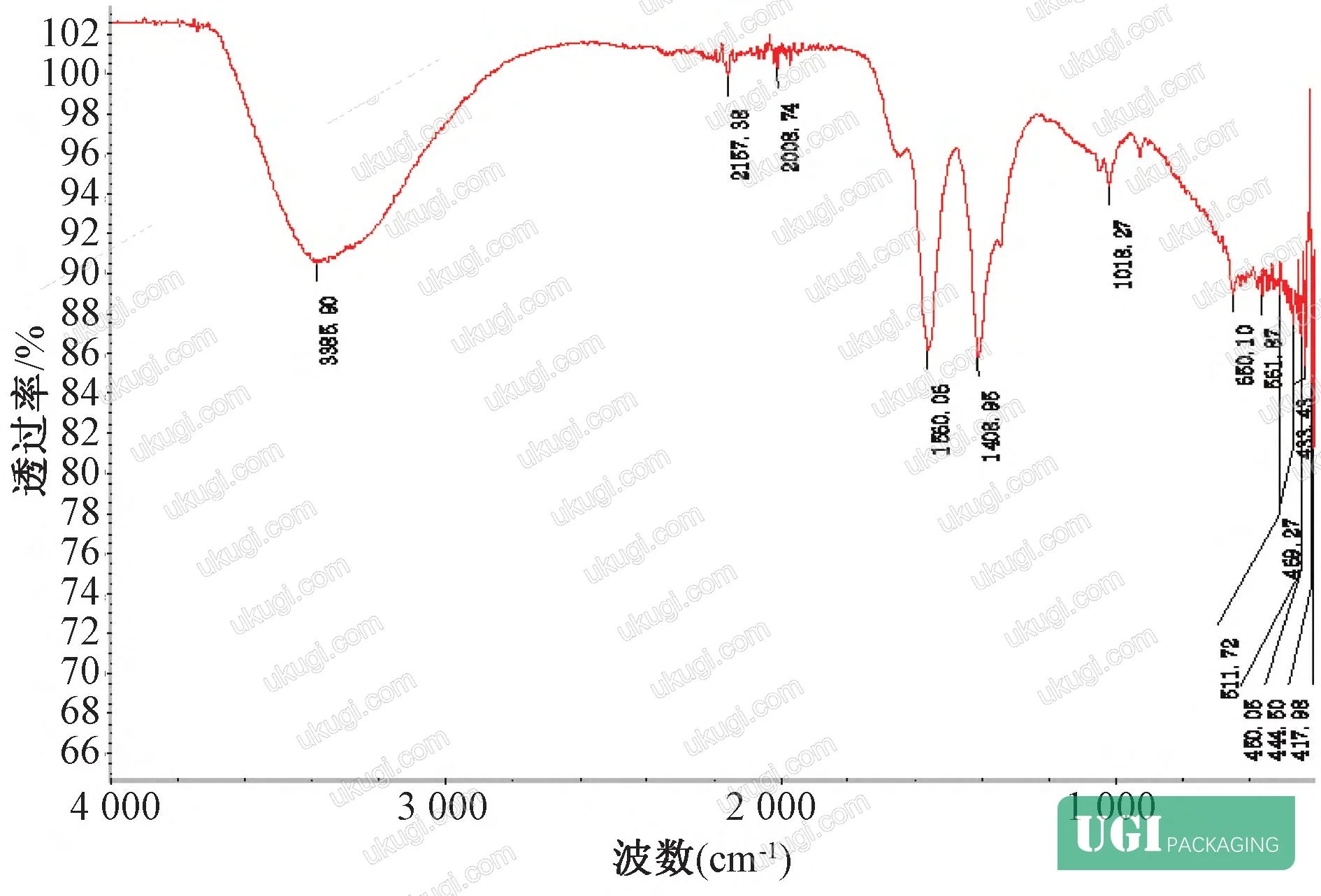
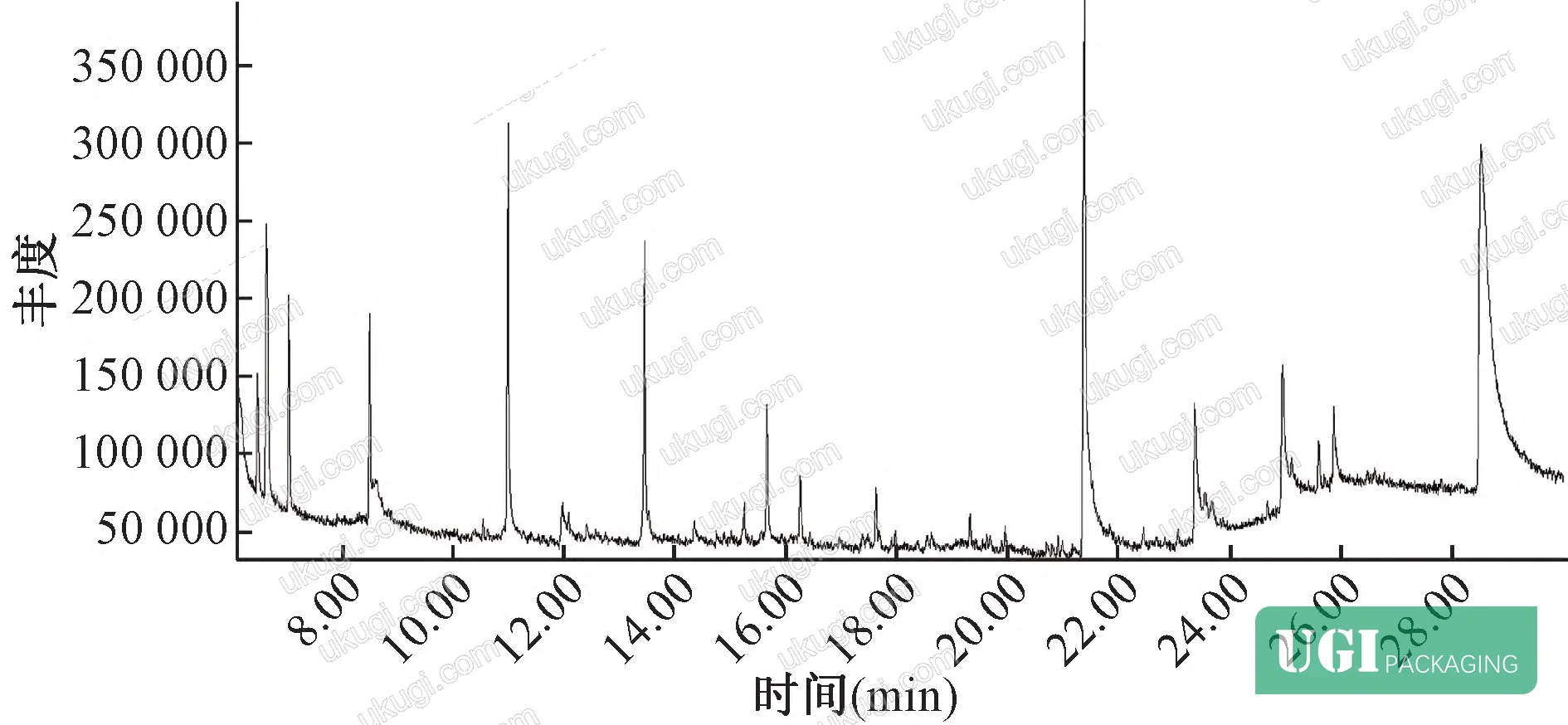
GC-MS and FTIR analysis of the positive PET migration extract identified five principal components:
- 2,6-di-tert-butylphenol — a phenolic antioxidant degradation product with documented endocrine-disrupting activity
- Stearic acid — a fatty acid processing aid, generally low concern
- Oleic acid amide — a slip agent commonly added during PET film processing
- Phthalate esters — plasticizers with well-established reproductive toxicity concerns, included on SVHC candidate lists under REACH
- Antioxidant 1076 (octadecyl 3-(3,5-di-tert-butyl-4-hydroxyphenyl)propionate) — a primary antioxidant widely used in polyolefin and polyester processing
The FTIR spectrum showed characteristic absorption at 1660 cm⁻¹ (consistent with C=O stretching of amide groups) and a broad hydroxyl region peak at approximately 3385 cm⁻¹, supporting the GC-MS identification of the amide and phenolic components.
The mixture is significant. Individual phthalate esters and phenolic antioxidants have been studied in isolation, and their regulatory limits are set based on single-compound toxicology. Current evidence — and this is where industry practice hasn’t caught up with the science — indicates that the combined genotoxic burden of complex migration mixtures is consistently higher than what single-compound risk assessments predict. The TA1535 positive result here is a whole-mixture signal, not attributable to any single identified migrant.
For regulatory compliance, phthalate esters in food contact applications are increasingly restricted. Under EU Regulation 10/2011, specific migration limits apply to several listed phthalates. The presence of unlisted phthalates or degradation products in a GC-MS scan of migration extract warrants immediate investigation, regardless of whether a single compound exceeds its individual SML.
Most procurement teams don’t realize that regulatory frameworks for food contact materials have been progressively tightening since the previous generation of packaging specifications was written. What passed supplier qualification five years ago may not satisfy the current landscape — and the gap between “compliant with the letter of the standard” and “free from genotoxic migrants” is real and measurable.
Migration Testing Protocols and Their Limits #
Understanding what the test conditions represent is essential for applying these findings correctly.
The five materials were tested under their worst-case intended-use scenarios, selected according to GB 31604.1-2015. HDPE, which is typically used for ambient dairy and liquid food containers, was extracted with 50% ethanol at 40°C for 10 days. PP — used for microwave-safe meal trays and composite food packaging — was tested at 130°C for 15 minutes with 95% ethanol, simulating retort or microwave conditions. PET, which sees use in hot-fill beverages, carbonated drinks, and infant feeding bottles, was tested with 4% acetic acid at 100°C for 2 hours — the most chemically aggressive condition in the set.
The extraction and concentration protocol used vacuum rotary evaporation at 55°C under 285 mbar vacuum to achieve concentration factors of 3×, 30×, and 300× before Ames testing. This is a standard approach but has an important limitation: some volatile migrants may be lost during concentration. The cytotoxicity masking observed in concentrated PET extract and the subsequent need for a dilution series are a known procedural hazard that many labs don’t adequately account for in their initial test design.
In supplier qualification work, we have seen test reports that document only the concentrated extract result — showing Ames negative — without flagging cytotoxicity or running the obligatory dilution series. That is an incomplete test. A cytotoxic concentrated extract should always trigger a dilution series before a negative conclusion is reported.
Standards relevant to genotoxicity testing of packaging migrants include OECD Test Guideline 471 (Bacterial Reverse Mutation Test) and its equivalent national implementations. For specific packaging compliance frameworks, IEC 62619:2022 Safety requirements for secondary lithium cells and batteries illustrates the broader principle that product-contact material safety evaluations require multi-endpoint testing — single-assay results are insufficient for final qualification decisions.
For buyers working in markets where food safety documentation requirements are expanding — particularly the EU, North America, and increasingly the Gulf region — the UN 38.3 Recommendations on the Transport of Dangerous Goods — Lithium Battery Testing framework offers a useful structural parallel: multi-condition, multi-endpoint testing with documented worst-case scenario coverage is increasingly the regulatory expectation across regulated material categories, not just batteries.
Buyers specifying packaging for products that cross the EU border should also reference EU Regulation 10/2011 on plastic materials and articles intended to contact food — the ISO 12405-4 framework cited here reflects the same principle of condition-specific, multi-parameter evaluation that regulators now apply to packaging migration assessments.
Practical Guidance for Buyers #
If your packaging specifies PET for any hot-fill or acidic application, this data is a direct prompt to revisit that decision — or at minimum, to require full five-strain Ames testing with a dilution series from your material supplier, not just a concentration-only result.
For non-acidic, ambient applications, PET’s risk profile is substantially lower. The acetic acid / 100°C condition is an extreme stress. Standard cold-fill PET water bottles, for example, operate nowhere near that regime. The concern is targeted: acidic food contents, elevated filling temperatures, and any use case approximating the worst-case migration scenario.
PPSU and Tritan are the two BPA-free alternatives that performed cleanly in this data set, both under 100°C / 1-hour conditions. If your product line is moving away from BPA-containing materials and you need a clear, heat-resistant food-contact polymer, these two have a stronger genotoxicity profile than the data would suggest for PET under stress. HDPE remains the most straightforward option for commodity liquid food packaging — negative results across all five strains, no cytotoxicity, robust chemical stability in ethanol simulant at 40°C.
At ukugi.com, our team specializes in custom packaging formats — including folding cartons, rigid boxes, flexible pouches, and labels — across applications from food to cosmetics to premium gift packaging. Our clients frequently ask about substrate safety compliance when specifying inner packaging layers or direct-contact materials. We can work with your technical team to select substrates with documented migration profiles appropriate for your application. For structural decisions around food-safe custom paper boxes or direct-contact custom labels and stickers, our technical team can advise on material selection and connect you with our qualified substrate suppliers.
Need a custom formulation or sample? Request a quote from our team →
Technical Verification Questions #
Key technical points to verify when evaluating any supplier in this category (including us):
- For PET food-contact applications: can your supplier provide Ames test results that include a dilution series (at minimum 1/40, 1/200, 1/1,000, 1/5,000) using the TA1535 strain without metabolic activation (-S9), in addition to concentrated extract results? A cytotoxic concentrated result without a follow-on dilution series does not constitute a complete negative result under GB 15193.4-2014.
- What is the migration simulant and temperature condition applied to the specific material grade you are quoting? For PET intended for any warm-fill or acidic-content application, verify that testing was conducted in 4% (v/v) acetic acid at 100°C for 2 hours — not in an ethanol simulant at ambient temperature, which underestimates real-world migration significantly.
- What specific migrants were identified by GC-MS in the migration extract, and were phthalate esters detected? The positive PET extract in this study contained identifiable phthalate esters; suppliers should be able to provide GC-MS scan data with peak identification, not just a compliance letter.
- Does the Ames test report document colony counts for all five standard strains (TA97, TA98, TA100, TA102, and TA1535) under both +S9 and -S9 conditions? Single-strain or +S9-only test reports are insufficient for full genotoxicity characterization under the applicable national food safety standard.
- For PPSU or Tritan alternatives: what concentration factor was used in the Ames assay, and was cytotoxicity specifically evaluated? Test reports should confirm that the highest tested concentration did not suppress colony growth to a level that would mask a positive mutagenic signal — the threshold for cytotoxicity interference is colony counts falling below the spontaneous control level.
Quality Verification Checklist #
- ☐ Migration testing was conducted under worst-case conditions appropriate for the material: PET tested at 100°C / 4% acetic acid / 2 hours; PP at 130°C / 95% ethanol / 15 minutes; HDPE at 40°C / 50% ethanol / 10 days
- ☐ Ames test report covers all five standard tester strains: TA97, TA98, TA100, TA102, and TA1535, in both +S9 and -S9 conditions
- ☐ Where PET is specified: test documentation includes a dilution-series Ames result (≥4 dilution levels) in addition to concentrated extract results; cytotoxicity assessment is explicitly documented
- ☐ GC-MS analysis of migration extract confirms absence of phthalate esters above EU Regulation 10/2011 specific migration limits; report includes full chromatogram with peak identification
- ☐ Positive control mutagen colony counts in Ames report are documented as exceeding spontaneous control counts by the required multiples (≥2× threshold), confirming test system validity
- ☐ For BPA-free alternatives (PPSU or Tritan): certificate or test data confirms BPA non-detect in migration extract at relevant sensitivity threshold
- ☐ Material grade referenced in test report matches the specific resin grade and processing additive package used in production — generic material Ames data does not transfer to different additive formulations
Key Specifications Table #
| Parameter | Recommended Value / Threshold | Verification Method |
|---|---|---|
| Ames test result — concentrated extract (0×, 3×, 30×, 300×) | Negative across all 5 strains (TA97, TA98, TA100, TA102, TA1535), ±S9 | Plate incorporation method per GB 15193.4-2014; 37°C, 48h incubation |
| PET-specific: mutant colony count at TA1535 (-S9), dilution series 1/40–1/5000 | Must not exceed 2× solvent control at any dilution level for negative call | Dilution-series Ames assay; Pearson correlation coefficient to confirm dose-response absence |
| PET migration simulant conditions for acidic food applications | 4% (v/v) acetic acid, 100°C, 2 hours (filling method) | GB 31604.1-2015 worst-case protocol; post-migration storage in clean glass vessel at 4°C |
| Phthalate ester migration (PET and PP) | Below EU Regulation 10/2011 specific migration limits; ideally non-detect | GC-MS with peak identification; FTIR for functional group confirmation |
| Antioxidant 1076 (Irganox 1076) in migration extract | Detect / quantify by GC-MS; flag if present — no established food-contact SML in all jurisdictions | GC-MS at multiple retention time windows; confirm against reference standard |
| Cytotoxicity screening (all five plastics) | No suppression of colony growth relative to spontaneous control at any concentration level | Colony count comparison with solvent and spontaneous controls; flag if counts fall below spontaneous baseline |
Looking for a manufacturer that meets these specs? Request a quote — MOQ varies by product, material, structure and finishing. Product-specific MOQ is confirmed with each quotation.
References #
Data source: Genotoxicity Assessment of Migration Extracts from Five Common Food-Contact Plastic Packaging Materials Using the Bacterial Reverse Mutation Assay, N.-B. Shao et al., Food and Chemical Toxicology, 2023
Frequently Asked Questions #
Does PET fail Ames testing under normal use conditions?
Not under ambient or cold-fill conditions. The positive result emerged specifically under the worst-case scenario: 4% acetic acid simulant at 100°C for 2 hours. Standard cold-fill PET water bottles or PET trays used at room temperature operate far below this stress level. The risk is specific to hot-fill, acidic-content applications — not a blanket condemnation of PET.
What makes the TA1535 strain significant in this context?
TA1535 detects base-pair substitution mutagens — chemicals that cause point mutations without frameshift effects. It’s the strain most sensitive to the type of mutagenic mechanism associated with small reactive molecules, which is consistent with the mix of low-molecular-weight processing additives and degradation products identified in the PET extract by GC-MS.
Are PPSU and Tritan safe alternatives to BPA-containing plastics for food contact?
Based on this five-strain, ±S9 Ames data under worst-case migration conditions, yes — both PPSU and Tritan returned negative results at all concentration levels with no cytotoxicity observed. That’s a stronger genotoxicity profile than PET under acidic-thermal stress. Both materials are also documented as BPA-free. That said, Ames testing is one endpoint; full regulatory compliance requires additional migration and toxicological data depending on target market.
What was in the PET migration extract that caused the positive result?
GC-MS and FTIR identified five main components: 2,6-di-tert-butylphenol, stearic acid, oleic acid amide, phthalate esters, and antioxidant 1076 (octadecyl 3-(3,5-di-tert-butyl-4-hydroxyphenyl)propionate). The positive signal in the TA1535 strain is a whole-mixture result — no single compound has been isolated as the sole cause. Phthalates and the phenolic antioxidant degradation product are the most toxicologically significant components identified.
If a supplier shows a negative Ames report for their PET material, is that sufficient?
Only if the report includes a dilution series for the TA1535 strain (-S9). A report showing negative results only at the concentrated extract level (0×, 3×, 30×, 300×) without documenting cytotoxicity assessment or running a follow-on dilution series is incomplete — cytotoxicity at the concentrated level masks potential mutagenic activity. Ask specifically whether colony suppression was observed at any concentration, and whether a dilution series was run as a result.
Published by ukugi.com Technical Team | Request a quote


