

Sugarcane-fiber cutlery must be specified by fiber compound, binders and additives, dimensions, stiffness, heat and moisture conditions, food type, use time, surface finish, packing and destination-market evidence. The word sugarcane alone does not prove compostability, biodegradability, recyclability or food-contact suitability.
UGI Packaging manufactures molded and formed packaging products within our confirmed factory scope. For an approved sugarcane-fiber cutlery project, our factory controls material preparation specified for the route, forming or molding, trimming, surface and dimensional inspection, counting, packing and QC. Our sustainable packaging claims guide and packaging development service help define evidence and sampling before production.
Specify the complete material system
Bagasse is fiber remaining after sugarcane processing, but finished cutlery may include binders, coatings, processing aids or blended fibers. Request the exact formulation boundary, color, finish, thickness and permitted tolerances. Do not infer finished-product performance from a raw-fiber description.
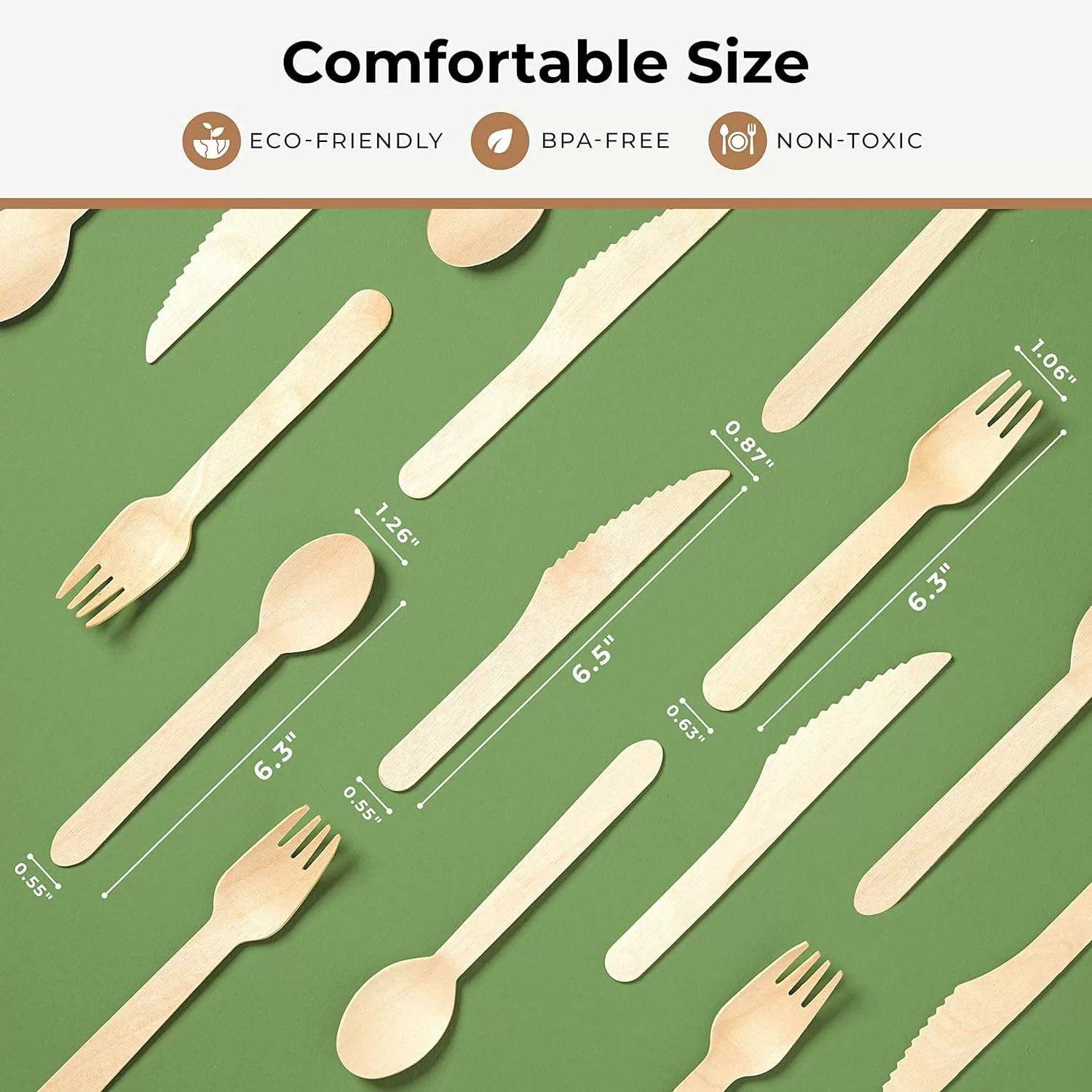
Dimensions should include overall length, handle thickness, bowl or tine geometry, edge condition and unit weight where relevant. Fork, spoon and knife performance require different loading and acceptance checks.
- Fiber source and compound description
- Binders, coatings and additives
- Food type and contact duration
- Temperature and moisture conditions
- Dimensions, thickness and unit design
- Strength and edge acceptance
- Individual, set and bulk packing
- Destination-market documents and claim owner
Control food-contact evidence and environmental claims
The FDA food-contact substances resource explains the U.S. framework. Evidence must match the actual material, additives and intended conditions; it is not a blanket certification from UGI Packaging.
The FTC Green Guides summary explains qualification of environmental marketing claims in the United States. Compostable or biodegradable claims need defined conditions and evidence, and availability of appropriate facilities must not be implied universally.
Approve use conditions physically
Samples should be tested with representative foods and temperatures for the intended use time. Check bending, tine or bowl failure, knife-edge function, surface fibers, odor, taste interaction, moisture softening and user handling. A dry room-temperature test does not represent every application.
Production, packing and QC
Production begins after the compound, dimensions, use conditions, evidence requirements, sample, artwork or embossing, count and packing are approved. Our QC team checks material identity, dimensions, forming, trimming, edges, appearance, count, contamination controls and carton packing.
Common failures include unsupported claims, inconsistent thickness, rough edges, moisture-related softening, incorrect set counts and packing that allows deformation.
Frequently asked questions
Is all sugarcane-fiber cutlery compostable?
No. The finished formulation, certification scope, disposal conditions and available facilities determine whether a claim is supportable.
What food-contact evidence is needed?
Evidence must cover the exact material system, intended food types, temperatures, contact time and destination market.
Can UGI Packaging manufacture molded cutlery?
Our confirmed factory scope includes forming and molding; the approved compound, tooling, process and evidence must be defined for the project.
What should a sample test?
Test the intended foods, temperatures and use time for bending, breakage, edges, moisture response, odor and handling.