
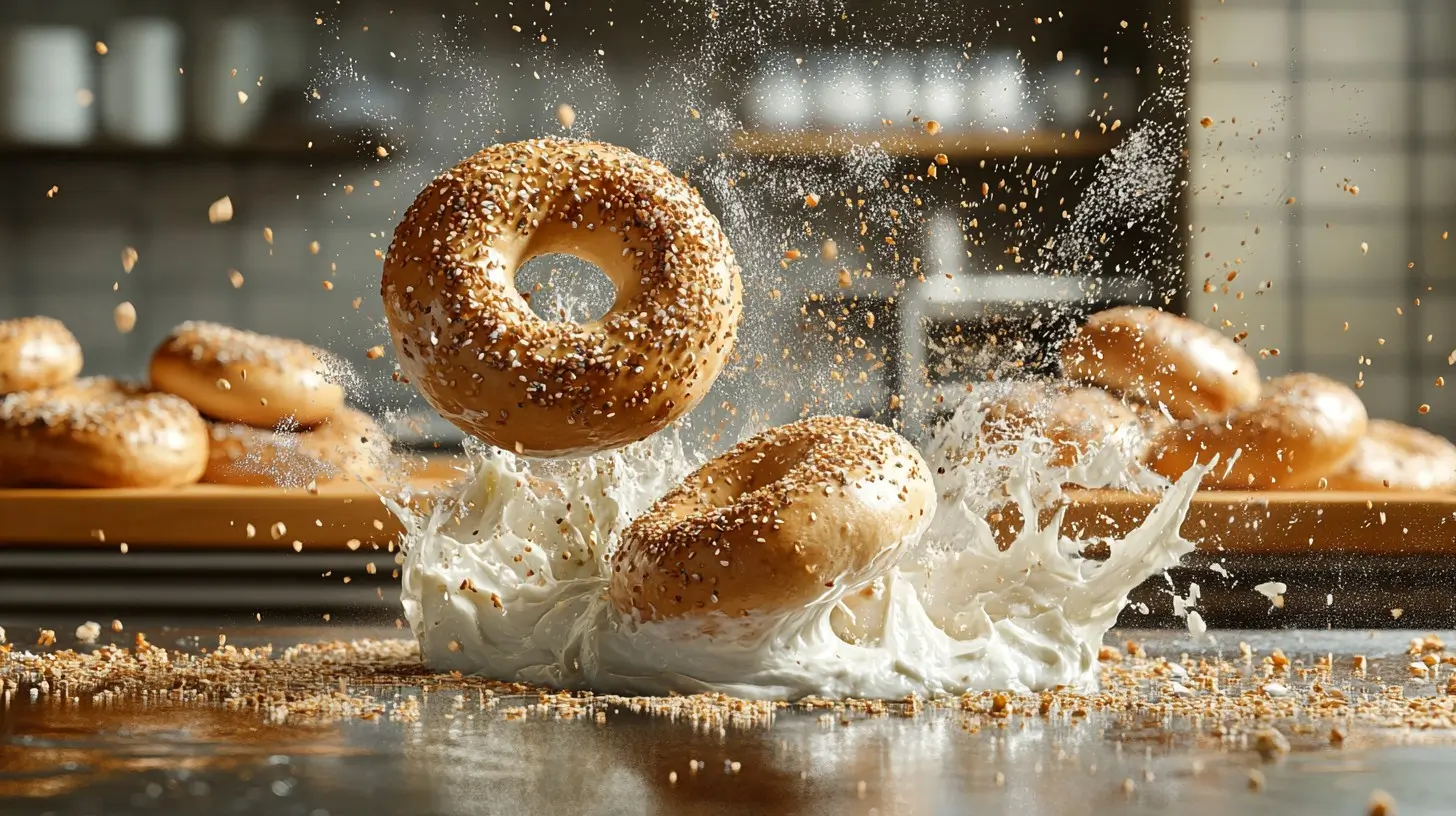

A bagel takeout box should be specified around bagel size, count, toppings, wrap or direct-contact condition, residual heat, grease, moisture, ventilation, stacking and delivery. A single-bagel tuck carton, multi-item clamshell-style carton and delivery pack require different structures.
UGI Packaging manufactures bakery cartons in our factory through printing, cutting, creasing, window and insert assembly, forming and QC. Our custom folding cartons provide the structural base, and the packaging-box manufacturing process explains production stages.
Choose structure from serving and delivery conditions
A tuck carton is compact for one item or a small count. A clamshell-style paperboard box offers broad opening and quick loading. Delivery orders may need stronger walls, locks or an outer bag arrangement. Define whether staff assemble boxes in advance and whether they must stack empty or loaded.
Fit should prevent crushing toppings while limiting movement. Residual heat and moisture may soften board or create condensation, so packing time and ventilation should be included in the sample plan.
- Bagel diameter, height and toppings
- Count and arrangement
- Wrapped or direct-contact condition
- Residual heat, grease and moisture
- Tuck, clamshell or delivery structure
- Window and ventilation decision
- Stacking and loaded carry method
- Artwork, labels and carton packing
Select board, barrier and window conditionally
Board caliper and construction depend on box size, loaded weight, moisture and stacking. A grease barrier may be needed, but it must be specified for the exact contact condition and recovery claim. A clear window can improve display while changing ventilation, material separation and rub behavior.
The FDA food-contact substances resource is a primary U.S. reference. Request project evidence for the exact board, coating, ink, adhesive, liner and window under the intended use.
Approve bakery handling and product condition
Use actual bagels at the intended packing temperature to check loading, closure, topping clearance, grease marks, moisture, ventilation, stack stability and customer opening. A structural sample confirms fit; a printed sample confirms artwork, color and finishing.
Quotation, production and QC
Send product dimensions, count, contact condition, structure, barrier, window, artwork, quantity, packing temperature, destination and carton packing. Fixed costs may include structural development, cutting dies, window tooling and print setup.
Production begins after the dieline, materials, food-contact boundary, artwork, loaded sample, quantity and packing are approved. Our QC team checks dimensions, cutting, creasing, locks, window attachment, print placement, cleanliness, grease-related sample checks and carton count.
Frequently asked questions
Should bagels cool before packing?
Define the intended packing temperature and test moisture, condensation and board performance with the actual product.
Is a window necessary?
No. Use a window only when display value justifies its effects on ventilation, rub, material interfaces and recovery instructions.
What food-contact evidence should a bakery request?
Request evidence for the exact board, coating, ink, adhesive, liner and window under the intended conditions.
When does the production clock start?
After structure, materials, artwork, loaded sample, quantity and packing specifications are approved.
Frequently Asked Questions
What information should I provide for a packaging quote?
Provide the intended use, approximate dimensions, material preference, printing or finishing requirements, quantity, delivery destination, and any available artwork or reference files.
Can packaging materials and finishes be adjusted for bakery products?
Yes. Material, structure, printing, and surface treatment should be selected according to the product, presentation requirements, protection needs, and applicable food-contact considerations.
When should I request a packaging sample?
Request a sample before production when the structure, fit, appearance, or finishing needs to be checked against the product and artwork.