

Packaging Design and Print Capabilities: What Buyers Should Verify
UGI Packaging manufactures the packaging and printed components covered in this article in our own factory. For packaging design and print capabilities, we develop the specification and sample, operate the relevant printing, cutting, forming, finishing and assembly equipment, and inspect the approved result before packing. This connects each buyer decision to the way our factory actually produces and controls the job.
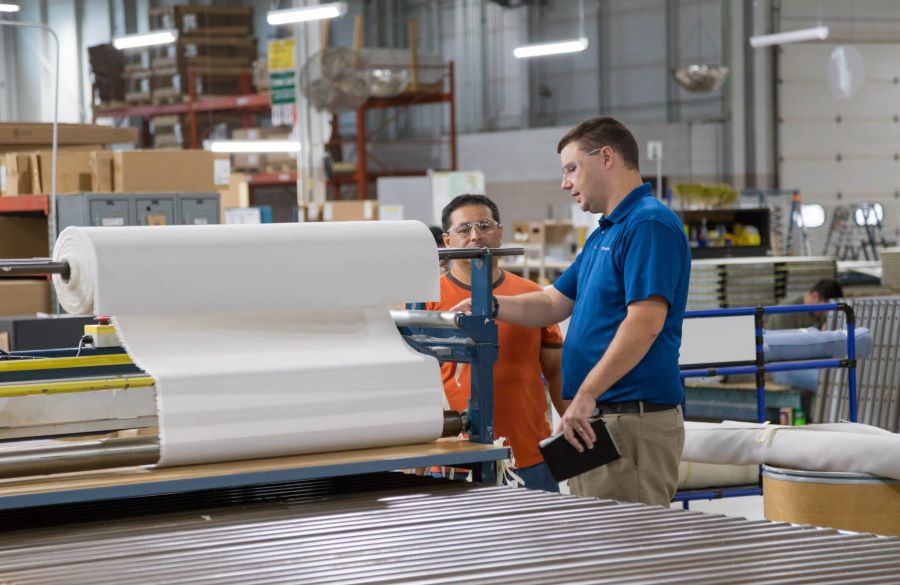
A packaging capability statement is useful only when it identifies the supported material, process, output and evidence. “Design, printing and packaging” may include structural drawings, artwork preparation, proofs, offset or digital print, coatings, foil, embossing, die cutting, folding, gluing and packing, but no buyer should assume every process, substrate or regulated use is available from one generic claim.
Quick answer
Ask what files and product information are required, which processes are performed or coordinated, what materials and dimensions are currently supportable, which sample route represents production, and what inspection evidence will be supplied. Confirm subcontracted or excluded operations and treat food contact, sustainability, certification and transport performance as project-specific questions.
Verify design outputs rather than design claims
Concept support may produce sketches or renderings. Structural design should produce controlled dimensions and a dieline. Graphic adaptation should place production artwork on that dieline without silently changing brand assets or legal copy. Prototype support should identify whether materials and processes match production.
Define the output and owner at each stage. A useful handoff includes revision, scale, units, viewing side, cuts, creases, glue zones, print layers and notes for accessories or inserts.
Match printing capability to the project
The packaging printing process guide compares print-route decisions by substrate, quantity, artwork versions and finishing. Do not select offset, digital, flexographic or screen printing from quantity alone; image density, colour reference, variable data, substrate and later conversion also matter.
The ISO 12647-2:2013 offset process-control scope covers process control for specified offset conditions, including relevant packaging applications. Its scope does not establish ownership of a press or set a universal colour tolerance for every board, ink and finish.
Treat finishing as a material stack
Lamination, aqueous or UV coating, foil, embossing, debossing and textured effects interact with ink, board, folds, glue and handling. The packaging surface-treatment guide helps compare the visible and functional roles of common treatments.
Ask for process order, exclusion zones and compatibility tests. A supplier should not describe a finish as recyclable, food-contact suitable, scratch-proof or premium without the exact construction and evidence.
Send complete capability-check inputs
A useful capability review includes:
- product and package dimensions, weight and use conditions;
- structure, dieline status and assembly method;
- board or paper family, print coverage and colour reference;
- finish layers, inserts, accessories and glue or seal zones;
- quantity by version and required sample route;
- regulated-use, packing, transport and acceptance requirements.
If a process is unavailable or unsuitable, decide whether to change the design, qualify another route or treat the step as subcontracted. Record the responsibility instead of hiding it behind an end-to-end claim.
Approve evidence at the correct level
A portfolio image demonstrates appearance only. A material certificate concerns the named material and holder. A process-control record concerns the specified production conditions. A physical sample concerns the represented structure and material stack. None automatically proves every future order.
Retain the approved artwork, dieline, sample, colour reference and inspection criteria. If the supplier, material, process or site changes, review whether evidence must be renewed.
Define production start and QC
Start production after files, materials, process route, sample or proof, quantities, packing and acceptance criteria are approved. Do not equate a sales confirmation with technical release.
Inspection can cover content, colour reference, registration, dimensions, die cutting, folds, glue, finish, inserts, assembly and packing. Select checks from the actual failure risks rather than a generic equipment list.
How UGI Packaging produces this work
Depending on the approved structure and artwork, our equipment route can include digital printing equipment, flexographic printing presses, and offset printing presses. We develop the process specification and sample first, release the controlled production files, run the operations in the approved sequence, and inspect materials, registration, dimensions, surface condition, assembly and packing against the retained approval sample. Our engineers confirm project-specific materials, tooling and acceptance limits without shifting UGI Packaging’s manufacturing responsibility to an outside factory.
The visible article does not claim ownership of specific equipment, fixed capacity, regulated-industry approval, global logistics control or certification.
Frequently asked questions
How can a buyer verify packaging capability?
Ask for the supported material and process, required inputs, representative sample route, exclusions and the evidence used for acceptance.
Does a portfolio prove production capability?
It shows previous appearance but may not identify materials, processes, site, dates or acceptance results.
Does ISO 12647-2 certify a packaging supplier?
No. It defines process-control conditions for specified printing applications; it is not a supplier certificate.
Should subcontracted processes be rejected?
Not automatically. They should be disclosed, technically qualified and assigned clear responsibility and acceptance controls.