

Custom Packaging Services: Project Stages, Approvals and RFQ Checklist
UGI Packaging manufactures the packaging and printed components covered in this article in our own factory. For custom packaging services, we develop the specification and sample, operate the relevant printing, cutting, forming, finishing and assembly equipment, and inspect the approved result before packing. This connects each buyer decision to the way our factory actually produces and controls the job.
Custom packaging service is not one undefined promise from design to delivery. It is a sequence of controlled decisions: define the product and distribution conditions, select a structure and material, prepare artwork, approve an appropriate sample, release production, and inspect the finished order. Buyers reduce rework when responsibilities, version control and acceptance evidence are agreed before production.
Quick answer
Start with the product, finished size, quantity by version, sales and shipping route, artwork status, material and finish priorities, packing method, destination and any regulated-use evidence. Decide who owns structural design and print files, then record the approved dieline, sample, colour reference and acceptance criteria. Production should start only after those inputs are frozen.
Define the service boundary before requesting a quote
Separate concept support, structural engineering, graphic adaptation, printing, converting, packing and freight coordination. A supplier may support several stages without owning every material, process or compliance decision. The OEM and ODM packaging development guide explains how buyer-supplied specifications differ from supplier-led development.
State the deliverable required at each stage: drawing, unprinted mock-up, printed prototype, production proof, finished sample or inspection record. This prevents a 3D rendering from being treated as approval of fit, colour or converting.
Build the project brief around real use conditions
Describe the packed product, dimensions and weight, orientation, fragility, expected shelf presentation, storage, transport and opening method. For food, cosmetics, electronics or other regulated uses, identify the exact contact or performance question rather than asking for a generic “compliant” box.
Choose a structure only after product clearance, board direction, insert retention, closure, stacking and outer-shipping conditions are understood. The packaging manufacturing workflow provides related context for the stages that follow an approved design.
Send complete quotation inputs
A useful RFQ includes:
- finished dimensions and version-controlled dieline;
- product dimensions, weight, orientation and packing count;
- material family, board or paper specification and colour expectations;
- printing, coating, lamination, foil, embossing and insert requirements;
- quantity by artwork, structure and delivery destination;
- sample route, packing format and critical acceptance points.
Cost categories may include structural work, prepress, dies, plates, screens, tooling, prototypes, setup, makeready waste, finishing, packing and inspection. Ask which costs repeat when size, artwork, material or finish changes.
Use the right sample for each approval
A rendering can confirm broad appearance. A white mock-up can confirm size, assembly and fit while omitting production print and finish. A printed digital prototype may use substitute materials or processes. A production-representative sample provides stronger evidence but may require project tooling and setup.
Record what each sample can and cannot approve. If the structure, board, finish stack or product changes after approval, decide whether a revised sample is required rather than carrying the old approval forward automatically.
Control artwork, revisions and production release
Prepare artwork on the approved dieline with cut, crease, glue, print, white ink, foil, coating and embossing layers identified. Control fonts, images, bleed, safe areas, codes and legal copy. One named revision should become the production file.
Start the production clock only after the commercial order, quantities, artwork, material, sample or proof, packing and acceptance criteria are approved. A deposit or purchase order alone does not make incomplete technical inputs production-ready.
Define QC and environmental evidence
Inspection may cover dimensions, assembly, product fit, print content, colour reference, registration, finish position, glue, surface defects, inserts, count and packing. Use an approved master and project-specific tolerances rather than generic claims of “high quality.”
The ISO 18601 packaging-and-environment scope coordinates environmental questions across a defined packaging system. It does not prove recyclability, biodegradability or optimization for a specific project; those conclusions need the complete construction, destination and supporting evidence.
How UGI Packaging produces this work
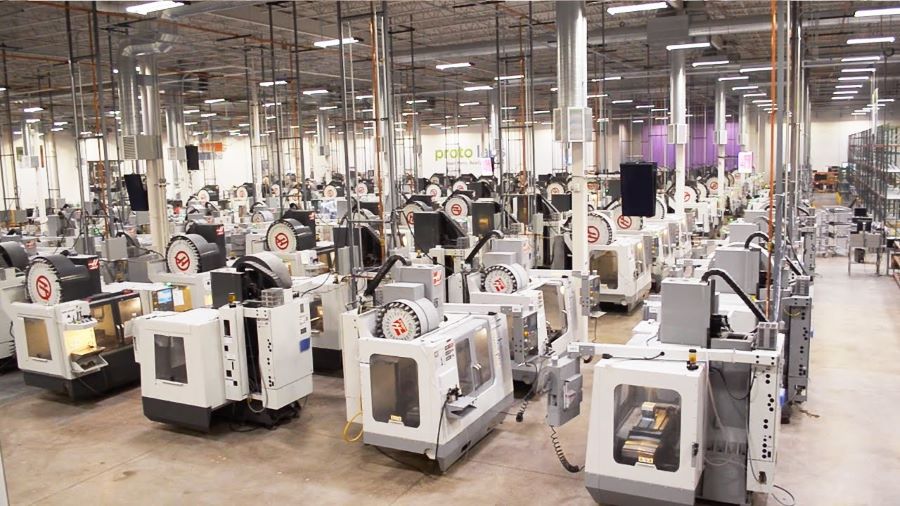
Depending on the approved structure and artwork, our equipment route can include coating equipment, die-cutting equipment, digital printing equipment, flexographic printing presses, foil-stamping equipment, gluing equipment, inspection and QC equipment, and offset printing presses. We develop the process specification and sample first, release the controlled production files, run the operations in the approved sequence, and inspect materials, registration, dimensions, surface condition, assembly and packing against the retained approval sample. Our engineers confirm project-specific materials, tooling and acceptance limits without shifting UGI Packaging’s manufacturing responsibility to an outside factory.
Keep supplier claims separate from project evidence. A material certificate, test report or standard should be checked for holder, product, scope, date and applicability to the finished package.
Frequently asked questions
What information is needed for a first packaging quotation?
Provide product and package dimensions, quantity by version, structure or reference, material and finish priorities, artwork status, packing method, destination and critical tests or evidence.
Does a 3D rendering approve the box?
No. It can support visual review but cannot prove fit, board behaviour, colour, finish, glue or converted-package performance.
When does production timing begin?
Only after the order and all required technical approvals are complete, including artwork, material, sample or proof, quantities, packing and acceptance criteria.
Can one certificate prove the complete package is compliant?
Usually not. Check the exact material, supplier, scope, intended use, destination market and whether the evidence applies to the finished construction.